
Custom Manufacturing, Project Outsourcing, your Trusted Partner from China
In the pursuit of premium textile quality, every finishing detail counts. Nonionic Softener Flakes play a pivotal role, and for discerning manufacturers and brands, the 'low yellowing' property is a critical determinant. This attribute ensures that fabrics, especially whites and light pastels, retain their pristine appearance after treatment. For procurement managers and R&D scientists, understanding the importance of these specialized flakes and how to source them effectively is key to delivering high-value products. This article highlights why low yellowing Nonionic Softener Flakes are essential and provides guidance on purchasing from reliable suppliers.
The Imperative of Low Yellowing in Fabric Finishing
Yellowing in textiles can significantly detract from the perceived quality and aesthetic appeal of a fabric. It can occur due to various factors, including the chemical composition of finishing agents, thermal exposure during processing, or even exposure to light. Nonionic Softener Flakes formulated with low yellowing characteristics are designed to counteract this. Their inherent chemical stability and specialized composition minimize the tendency to develop unwanted color shifts. This is particularly important for dyeing houses and finishing mills that handle high-value fabrics where color fidelity is paramount. When you buy Nonionic Softener Flakes, prioritizing those with demonstrated low yellowing performance is a strategic decision to ensure customer satisfaction.
Beyond Softness: Functional Advantages of Nonionic Softener Flakes
While their primary function is to impart softness and a smooth handfeel, Nonionic Softener Flakes offer additional functional benefits crucial for modern textiles. Their nonionic nature allows for excellent compatibility with other auxiliaries, ensuring stable formulations and preventing interference with dye shades or optical brighteners. They also contribute to improved hydrophilicity, enhancing the fabric's moisture management properties, and provide effective antistatic finishes, which are increasingly sought after in activewear and apparel. These added benefits make them a versatile choice for a wide range of textile applications.
Strategic Sourcing: Partnering for Quality Assurance
To consistently achieve premium results, it is essential to purchase Nonionic Softener Flakes from a reputable manufacturer and supplier. When evaluating potential partners, focus on those who can provide detailed specifications, including clear indications of their low yellowing performance. A reliable supplier in China will typically offer a consistent product appearance (pale yellow flakes) and provide comprehensive technical data sheets (TDS) that detail the product's properties and recommended application methods. For bulk purchases, competitive pricing is important, but it should not come at the expense of quality or performance. Engaging with suppliers who offer samples and robust technical support will help ensure you make the best choice for your specific textile finishing needs.
By prioritizing low yellowing Nonionic Softener Flakes and partnering with trusted suppliers, textile manufacturers can elevate their product quality, meet stringent aesthetic requirements, and maintain a competitive edge in the market.
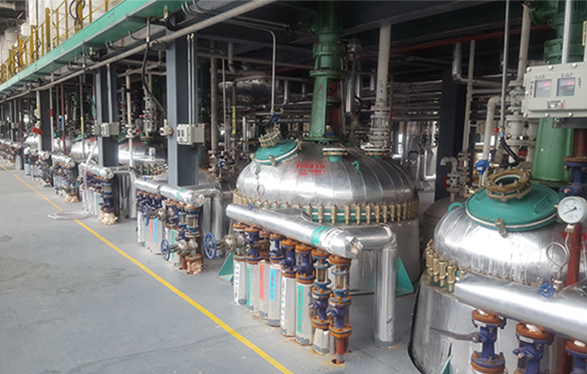
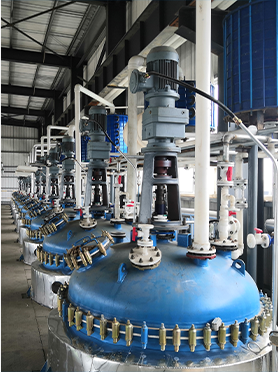
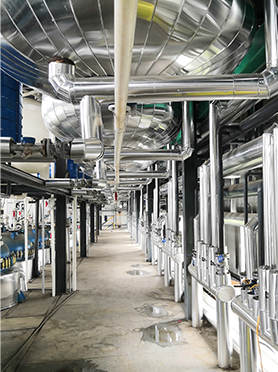
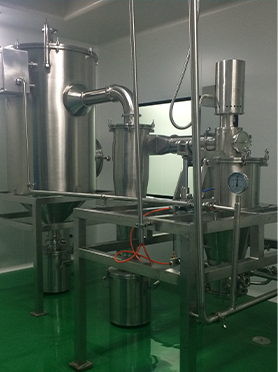
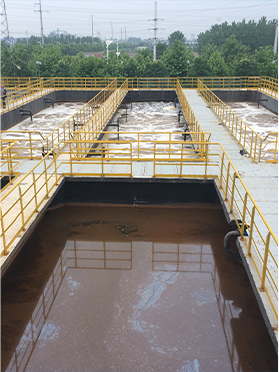
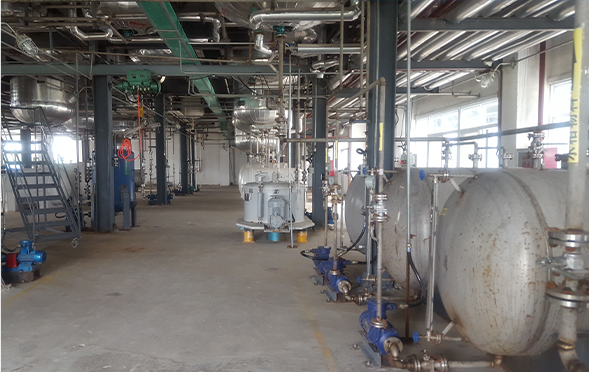
Manufacturing Facilities
Professional Export Experience
to Global Customers
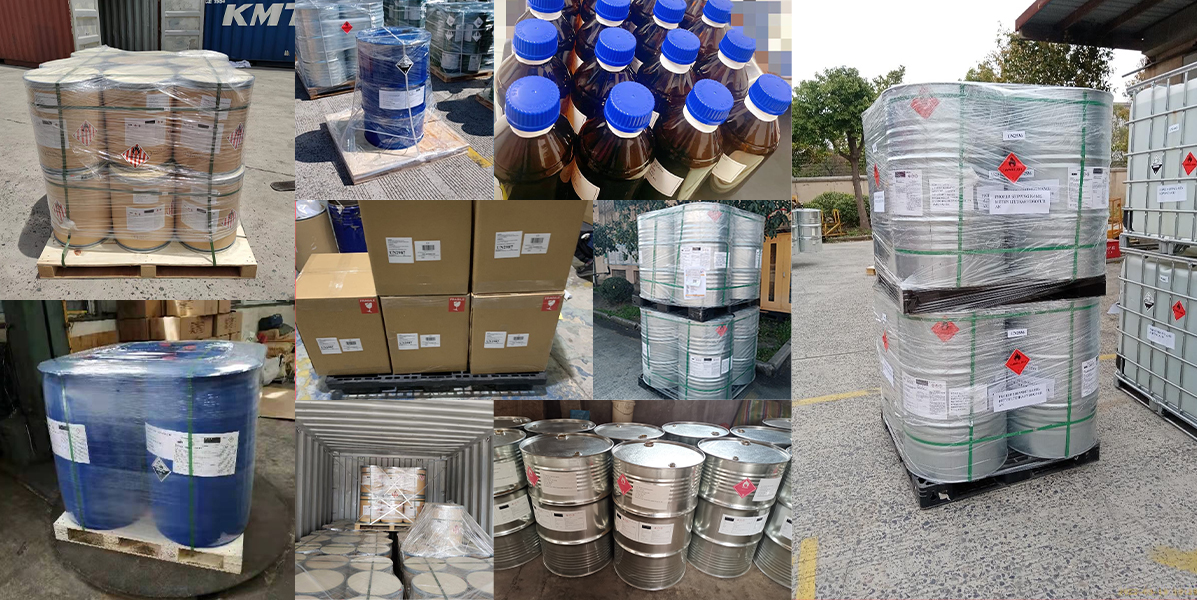
1. 20 years of R&D, manufacturing and sales experience, serving customers in 60 countries and regions around the world;
2. Own R&D laboratory, pilot platform and large-scale production workshop, which can meet the audit requirements of global customers;
3. We can satisfy customers' perfect transition from small scale lab requirements (gram level) to commercialization requirements (hundred tons level).
A: We don't have Minimum Order Quantity, exact quantity should be provided before quotation for us to calculate the exact cost.
A: We don't provide free samples due to lots of request and expensive international courier's cost, we can deduct the sample charge after commercial order placed.
A: Our payment terms: Small or sample order: T/T IN ADVANCE. Commercial order: First order should be by T/T IN ADVANCE or L/C at sight, and following orders T/T 30~90days is acceptable subject to approval of credit application.