
Custom Manufacturing, Project Outsourcing, your Trusted Partner from China
Textile printing offers a vast canvas for creativity, and the burnt-out technique is a fascinating method for creating unique textures and designs. At the heart of this process lies the effective removal of specific fibers, often referred to as carbide removal, which is facilitated by specialized burnt-out printing auxiliaries. For procurement managers and R&D scientists in the textile sector, understanding how to source and utilize these chemicals is crucial for achieving desired outcomes and maintaining production efficiency. As a leading manufacturer and supplier of textile chemicals, we aim to provide clarity on this intricate process.
The Science Behind Burnt-out Printing
Burnt-out printing involves applying a chemical agent, typically an acid, to a fabric blend containing at least two different types of fibers. One fiber type is chemically resistant to the agent, while the other is susceptible. When subjected to heat, the susceptible fiber is destroyed or 'burnt out,' leaving a transparent pattern on the resistant fiber. The effectiveness of this process hinges on the precise action of the burnt-out auxiliaries, which control the chemical reaction and ensure the selective removal of fibers, leaving behind clean, well-defined patterns.
The Role of Burnt-out Auxiliaries in Carbide Removal
The term 'carbide removal' in this context refers to the disintegration and subsequent washing away of the burnt-out fibers. Advanced burnt-out printing auxiliaries are formulated not only to initiate this breakdown but also to ensure that the resulting debris is easily washed from the fabric. This 'easy wash after baking' feature is critical. It prevents residue from clinging to the remaining fabric, which can lead to unwanted discoloration, stiffness, or a dull appearance. When sourcing these chemicals, look for products explicitly stating their efficacy in facilitating this crucial post-baking cleanup. Manufacturers committed to quality provide detailed technical data to support these claims.
Selecting the Right Auxiliaries: Key Considerations for Buyers
When procurement managers and formulators look to buy burnt-out printing auxiliaries, several factors must be considered:
Purchasing from a reputable supplier, particularly a manufacturer in China known for its chemical expertise, ensures access to products that meet these critical criteria. These suppliers can often provide customized solutions or guide you to the most appropriate product for your specific application.
Troubleshooting Common Issues
Even with the best auxiliaries, challenges can arise. Common issues include incomplete burnout, fabric blackening (over-baking), or uneven penetration. Understanding the causes, such as incorrect dosage, temperature fluctuations, or inadequate fabric preparation, is key to resolving them. Reliable chemical manufacturers often provide detailed problem-solving guides and technical support, ensuring you get the most out of their products.
In essence, mastering burnt-out printing requires a deep understanding of the process and the right chemical partners. By focusing on effective carbide removal and easy washing properties, and by sourcing from knowledgeable suppliers, textile manufacturers can unlock the full potential of burnt-out designs, delivering exquisite and high-quality products to the market.
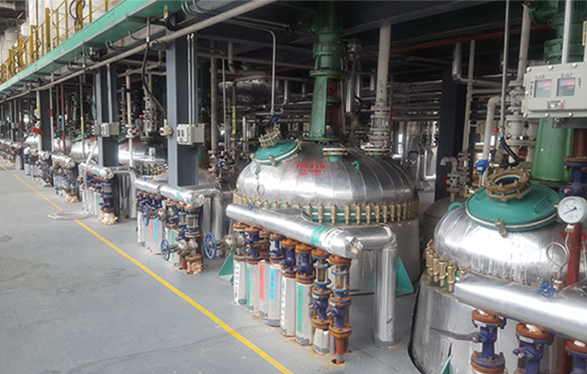
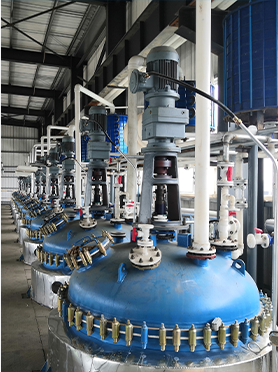
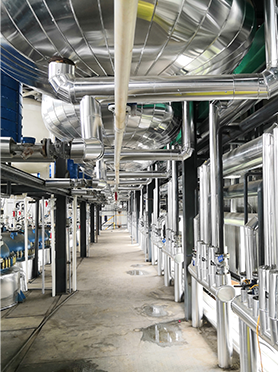
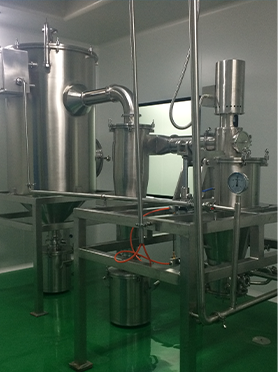
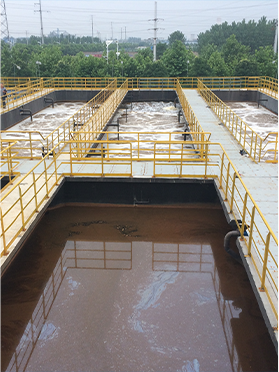
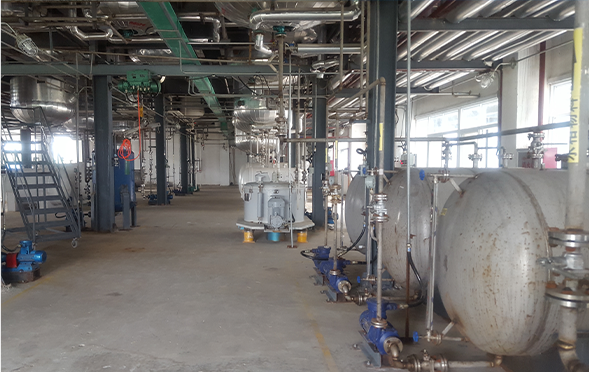
Manufacturing Facilities
Professional Export Experience
to Global Customers
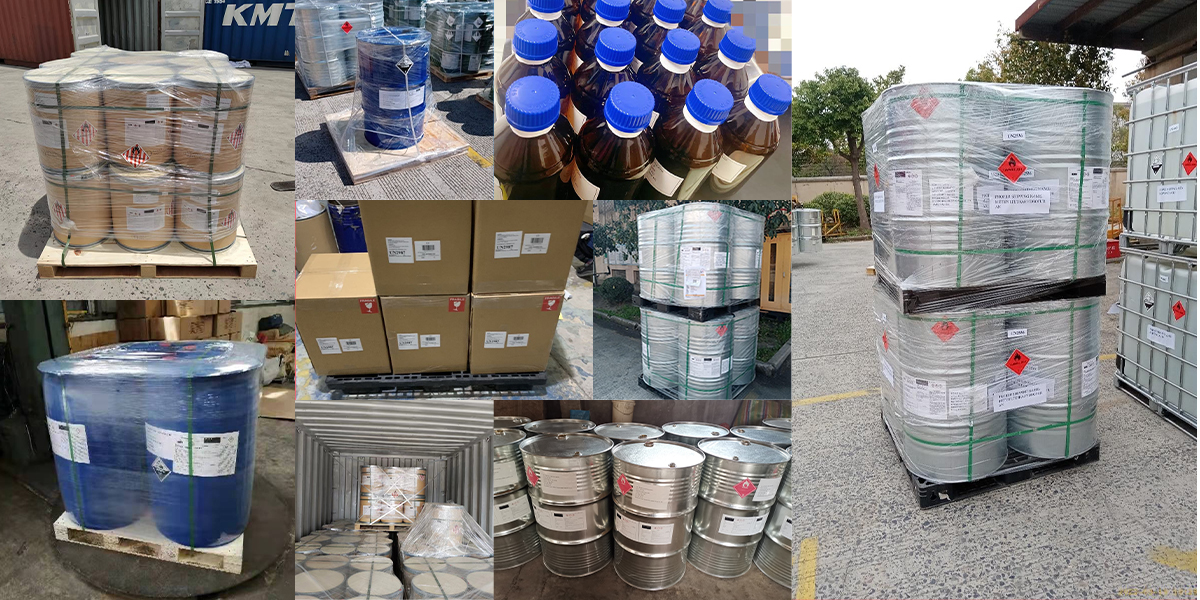
1. 20 years of R&D, manufacturing and sales experience, serving customers in 60 countries and regions around the world;
2. Own R&D laboratory, pilot platform and large-scale production workshop, which can meet the audit requirements of global customers;
3. We can satisfy customers' perfect transition from small scale lab requirements (gram level) to commercialization requirements (hundred tons level).
A: We don't have Minimum Order Quantity, exact quantity should be provided before quotation for us to calculate the exact cost.
A: We don't provide free samples due to lots of request and expensive international courier's cost, we can deduct the sample charge after commercial order placed.
A: Our payment terms: Small or sample order: T/T IN ADVANCE. Commercial order: First order should be by T/T IN ADVANCE or L/C at sight, and following orders T/T 30~90days is acceptable subject to approval of credit application.