
Custom Manufacturing, Project Outsourcing, your Trusted Partner from China
In the competitive landscape of textile manufacturing, achieving the highest possible color yield in pigment printing is a constant pursuit for efficiency and aesthetic appeal. The chemical auxiliaries used in printing pastes play a pivotal role in this, with synthetic thickeners being particularly crucial. This article delves into how high-performance thickeners, specifically acrylic polymer-based formulations, contribute to maximizing color yield and offers guidance for industry professionals on sourcing these vital components.
Color yield in textile pigment printing refers to the intensity and vibrancy of the color deposited onto the fabric. It is influenced by several factors, including the pigment concentration, binder quality, and the rheological properties of the printing paste, which are largely controlled by the thickener. A well-formulated printing paste, utilizing an effective synthetic thickener, ensures that the pigment is evenly dispersed and properly carried to the fabric surface, resulting in richer, deeper colors and sharper print definitions.
Acrylic polymer thickeners are engineered to provide excellent thickening capabilities and stable rheology. Their effectiveness in maximizing color yield stems from several key properties:
For businesses looking to 'buy high color yield thickener' or seek a 'synthetic thickener manufacturer' that specializes in performance, acrylic-based options are a prime choice. NINGBO INNO PHARMCHEM CO.,LTD., for example, offers advanced synthetic thickeners designed for superior performance. When selecting a thickener, consider its ability to produce sharp outlines, minimize backstaining, and contribute to a pleasant fabric hand-feel alongside excellent color depth.
The selection process for a pigment printing thickener should involve a thorough evaluation of technical specifications and, ideally, performance trials. Factors such as recommended dosage, pH stability, and compatibility with other paste ingredients are important. Furthermore, as the industry trends towards sustainability, prioritizing APEO-free and formaldehyde-free formulations is becoming increasingly vital. These eco-friendly options not only meet regulatory requirements but often offer comparable or even superior performance to traditional thickeners.
By understanding the critical role of synthetic thickeners and choosing high-performance acrylic polymers, textile printers can significantly improve their color yield, achieve more vibrant and durable prints, and enhance their overall production quality. Collaborating with experienced suppliers who can provide technical expertise and consistent product quality is key to unlocking these benefits.
Manufacturing Facilities
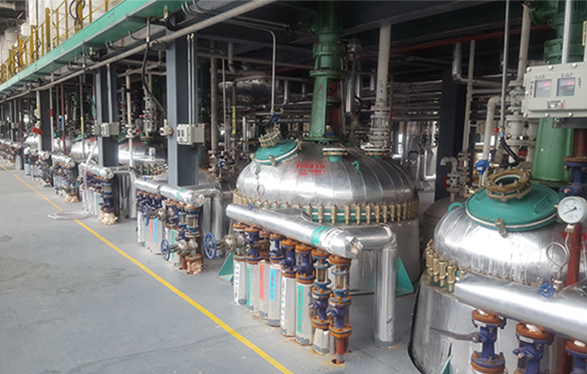
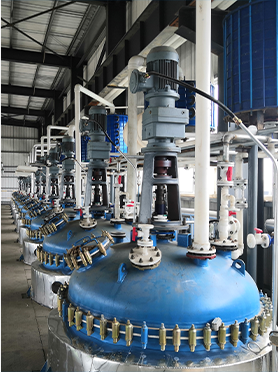
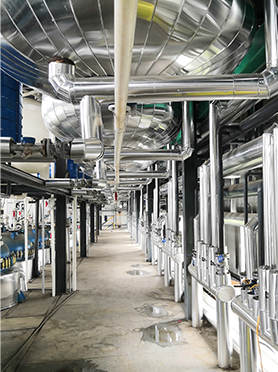
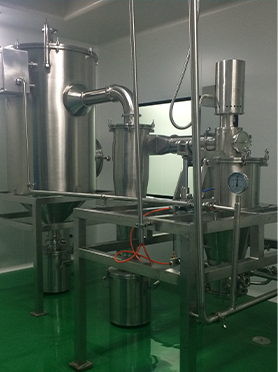
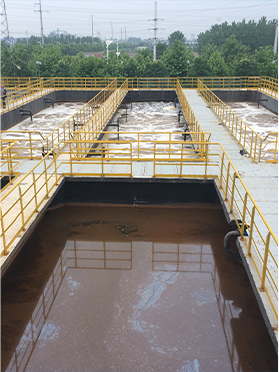
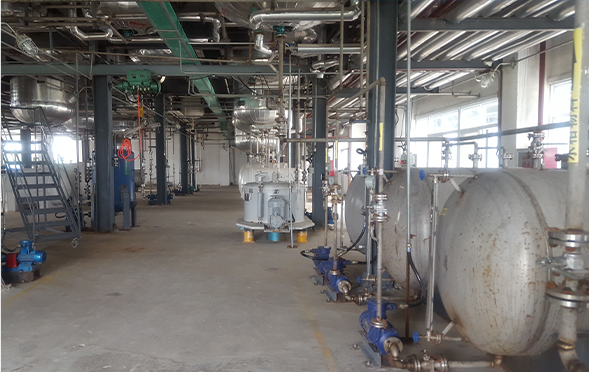
Professional Export Experience
to Global Customers
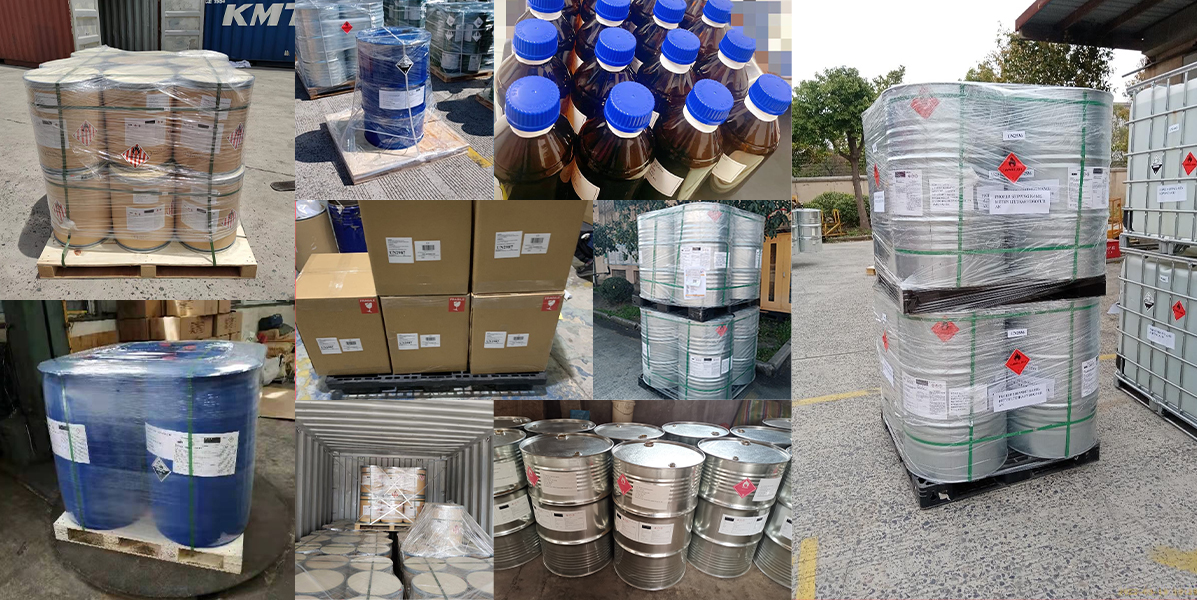
1. 20 years of R&D, manufacturing and sales experience, serving customers in 60 countries and regions around the world;
2. Own R&D laboratory, pilot platform and large-scale production workshop, which can meet the audit requirements of global customers;
3. We can satisfy customers' perfect transition from small scale lab requirements (gram level) to commercialization requirements (hundred tons level).
A: We don't have Minimum Order Quantity, exact quantity should be provided before quotation for us to calculate the exact cost.
A: We don't provide free samples due to lots of request and expensive international courier's cost, we can deduct the sample charge after commercial order placed.
A: Our payment terms: Small or sample order: T/T IN ADVANCE. Commercial order: First order should be by T/T IN ADVANCE or L/C at sight, and following orders T/T 30~90days is acceptable subject to approval of credit application.