
Custom Manufacturing, Project Outsourcing, your Trusted Partner from China
The pursuit of ever-increasing efficiency and longevity in Organic Light-Emitting Diodes (OLEDs) has led to significant advancements in material science. Among these, Thermally Activated Delayed Fluorescence (TADF) emitters have emerged as a groundbreaking technology, offering the potential for internal quantum efficiencies approaching 100%. This article delves into the critical role of yellow TADF emitters, specifically focusing on compounds like 2,4,5,6-Tetra(3,6-dimethylcarbazol-9-yl)-1,3-dicyanobenzene (CAS 1469703-61-4), which we supply to the market.
The Challenge of Efficiency in OLEDs
Traditional fluorescent emitters in OLEDs are limited to harvesting only singlet excitons, which constitute only 25% of the total excitons generated. The remaining 75% are triplet excitons, which are typically lost as heat or non-radiative decay. TADF materials overcome this limitation by facilitating efficient reverse intersystem crossing (RISC) from the triplet state (T₁) back to the singlet state (S₁). This process, driven by a small energy gap between S₁ and T₁ (ΔEST), allows triplet excitons to be converted into emissive singlet excitons, thereby significantly boosting the overall quantum efficiency.
Introducing 2,4,5,6-Tetra(3,6-dimethylcarbazol-9-yl)-1,3-dicyanobenzene (CAS 1469703-61-4)
As a leading supplier of high-performance organic materials, we are proud to offer 2,4,5,6-Tetra(3,6-dimethylcarbazol-9-yl)-1,3-dicyanobenzene. This molecule, often referred to as 4CzIPN-Me, is a derivative of the benchmark TADF emitter 4CzIPN. The introduction of methyl groups at the 3,6-positions of the carbazole units enhances its stability and solubility, making it more amenable to processing and improving the operational lifetime of OLED devices. Its intrinsic properties make it an excellent yellow emitter, contributing to vibrant color reproduction.
Key Applications and Advantages
This yellow TADF emitter is highly versatile, serving effectively in two primary roles within OLED architectures:
For researchers and procurement managers seeking to buy high-quality OLED materials, our 2,4,5,6-Tetra(3,6-dimethylcarbazol-9-yl)-1,3-dicyanobenzene offers a distinct advantage. By sourcing this material from us, a trusted manufacturer and supplier in China, you ensure access to a product that meets stringent purity standards, enabling you to achieve optimal device performance. Its excellent photophysical properties and improved stability make it a cornerstone for developing next-generation displays and lighting solutions. We are committed to providing the materials that drive innovation in the organic electronics industry. Contact us today to inquire about pricing and sample availability.
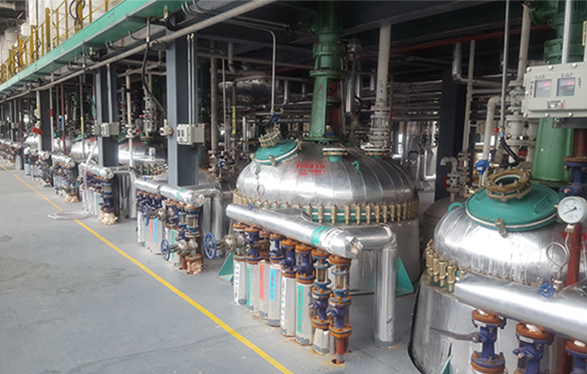
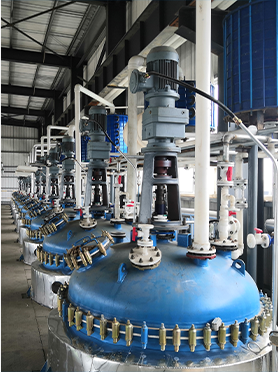
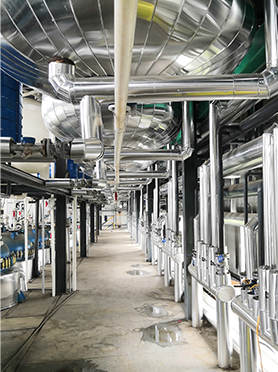
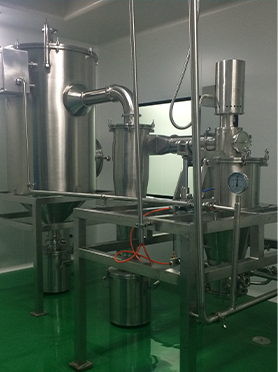
Manufacturing Facilities
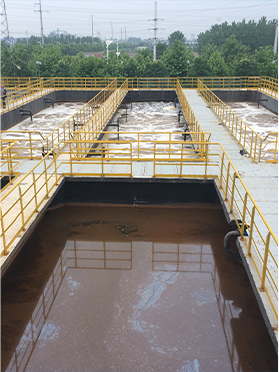
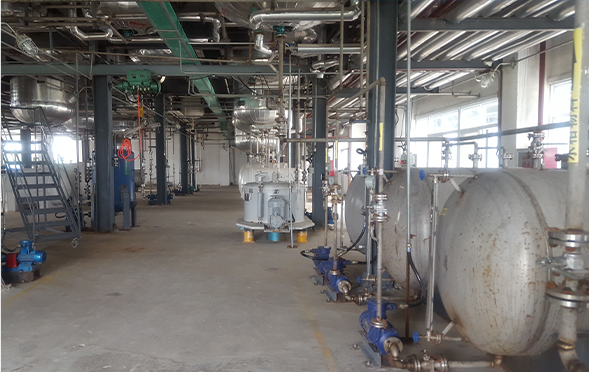
Professional Export Experience
to Global Customers
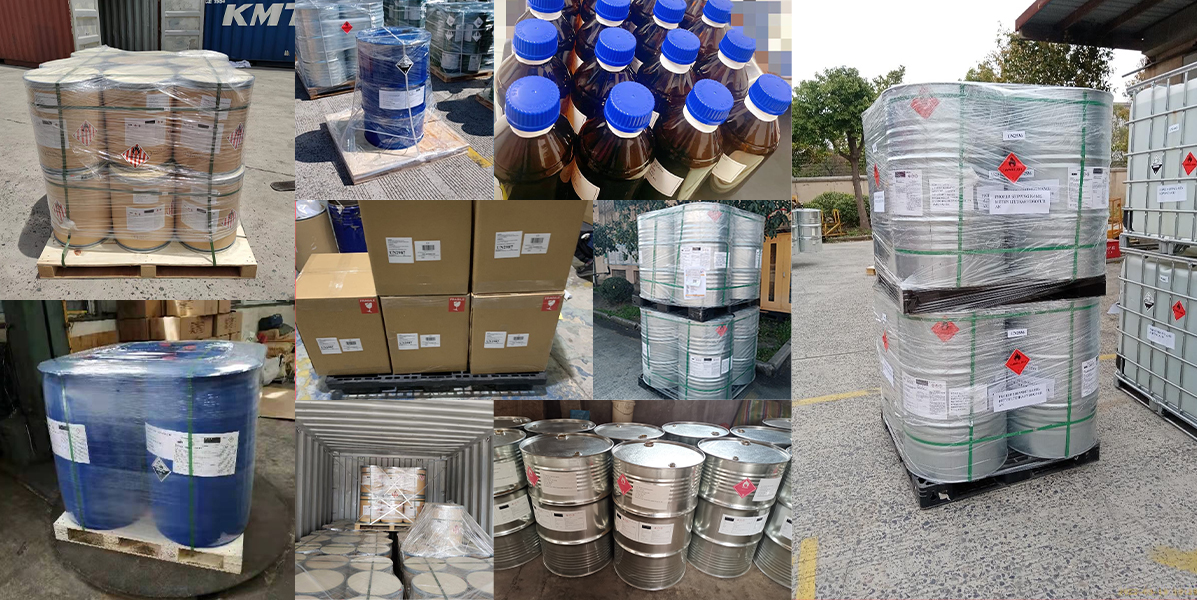
1. 20 years of R&D, manufacturing and sales experience, serving customers in 60 countries and regions around the world;
2. Own R&D laboratory, pilot platform and large-scale production workshop, which can meet the audit requirements of global customers;
3. We can satisfy customers' perfect transition from small scale lab requirements (gram level) to commercialization requirements (hundred tons level).
A: We don't have Minimum Order Quantity, exact quantity should be provided before quotation for us to calculate the exact cost.
A: We don't provide free samples due to lots of request and expensive international courier's cost, we can deduct the sample charge after commercial order placed.
A: Our payment terms: Small or sample order: T/T IN ADVANCE. Commercial order: First order should be by T/T IN ADVANCE or L/C at sight, and following orders T/T 30~90days is acceptable subject to approval of credit application.