
Custom Manufacturing, Project Outsourcing, your Trusted Partner from China
In the continuous effort to enhance agricultural productivity and ensure food security, effective weed management plays a pivotal role. Among the arsenal of tools available to farmers and agrochemical formulators, selective herbicides are indispensable. 2-Methyl-4-chlorophenoxyacetic acid, universally known as MCPA, stands as a testament to the innovation in this field, offering reliable control of broadleaf weeds in a variety of essential crops. Understanding the function and application of MCPA is crucial for anyone involved in crop protection.
MCPA is classified as a synthetic auxin herbicide. Its mode of action mimics the natural plant hormones called auxins, which are critical for plant growth and development. However, when applied exogenously at herbicidal concentrations, MCPA disrupts these normal growth processes. It is selectively absorbed by the leaves of broadleaf weeds and translocated within the plant to the meristematic tissues. This leads to an overstimulation of growth, resulting in abnormal cell division and elongation, stem twisting, leaf malformation, and ultimately, the death of the weed. Crucially, MCPA exhibits selectivity, meaning it can be applied to crops like cereals, rice, and flax without causing significant damage, thereby controlling weeds while preserving the crop.
The commercial use of MCPA has a long history, dating back to the mid-1940s. Its effectiveness, combined with its relatively low cost and favorable toxicological profile compared to older herbicides, has cemented its place in agricultural practices worldwide. Farmers rely on MCPA for its ability to manage a wide range of broadleaf weeds that compete with crops for vital resources such as sunlight, water, and nutrients. This competition can severely reduce crop yields and quality if left unchecked.
For agrochemical formulators and manufacturers, MCPA represents a key active ingredient. The ability to purchase MCPA (CAS 94-74-6) from reliable suppliers, often originating from major chemical manufacturing regions like China, allows them to produce cost-effective and high-performance herbicide products. When sourcing this ingredient, formulators pay close attention to purity, stability, and the ease with which it can be incorporated into various formulations, such as soluble concentrates or emulsifiable concentrates.
The application of MCPA is diverse. It is commonly used in:
As the agricultural landscape continues to evolve, the demand for efficient and sustainable weed control solutions remains high. MCPA, as a proven and effective herbicide active ingredient, continues to play a vital role. For manufacturers and distributors seeking to supply the agricultural sector, understanding the utility and sourcing options for MCPA is key to maintaining a competitive edge and contributing to global food production.
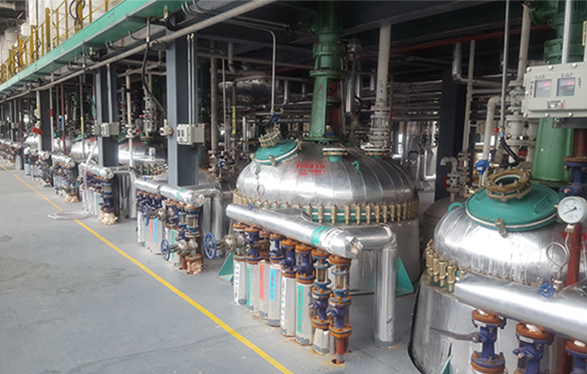
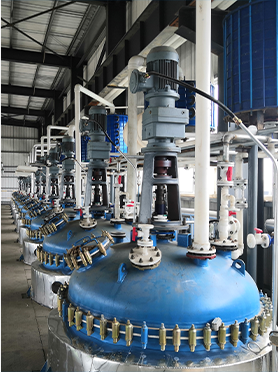
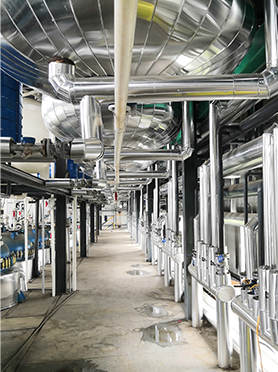
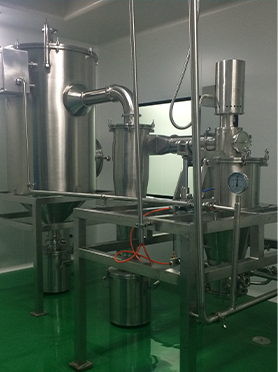
Manufacturing Facilities
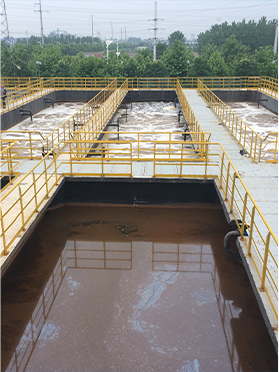
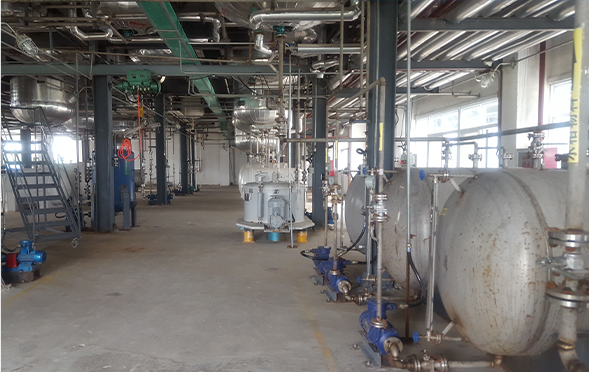
Professional Export Experience
to Global Customers
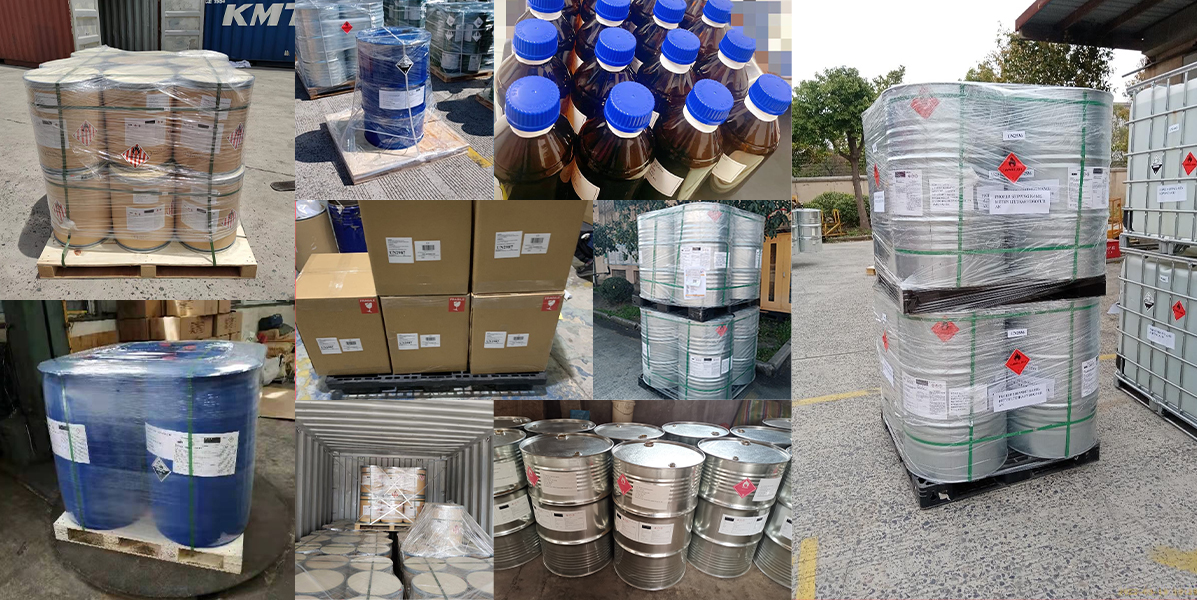
1. 20 years of R&D, manufacturing and sales experience, serving customers in 60 countries and regions around the world;
2. Own R&D laboratory, pilot platform and large-scale production workshop, which can meet the audit requirements of global customers;
3. We can satisfy customers' perfect transition from small scale lab requirements (gram level) to commercialization requirements (hundred tons level).
A: We don't have Minimum Order Quantity, exact quantity should be provided before quotation for us to calculate the exact cost.
A: We don't provide free samples due to lots of request and expensive international courier's cost, we can deduct the sample charge after commercial order placed.
A: Our payment terms: Small or sample order: T/T IN ADVANCE. Commercial order: First order should be by T/T IN ADVANCE or L/C at sight, and following orders T/T 30~90days is acceptable subject to approval of credit application.