Custom Manufacturing, Project Outsourcing, your Trusted Partner from China
In the realm of organic synthesis, the choice of methylating agent is paramount for efficient and successful chemical transformations. Methyl Iodide (CAS 74-88-4), or iodomethane, has long been a workhorse in laboratories and industrial settings due to its reactivity and versatility. However, as the field evolves, understanding its place alongside alternative methylating agents is crucial for formulators and researchers.
Methyl Iodide's primary advantage lies in its excellent leaving group (iodide) and its sterically accessible methyl group, making it a highly effective substrate for SN2 reactions. This translates to good reactivity with a broad range of nucleophiles, including carbon, oxygen, nitrogen, and sulfur. For many standard methylation tasks, it offers a balance of reactivity and ease of handling compared to gaseous methyl halides. When you buy Methyl Iodide, you're opting for a reagent that is generally reliable for methylation of carboxylic acids, phenols, and enolates, among others.
However, Methyl Iodide is not without its drawbacks. Its relatively high molecular weight (141.94 g/mol) means a higher equivalent weight compared to methyl chloride or methyl bromide, which can be a consideration in large-scale processes where atom economy is important. More significantly, concerns about its toxicity and potential carcinogenicity have led to increased scrutiny and the exploration of alternatives. For bulk industrial purchases, factors like price and safety regulations often push manufacturers towards other options.
Alternative methylating agents include dimethyl sulfate (DMS) and methyl triflate. Dimethyl sulfate is often favored in industrial settings due to its lower cost and higher boiling point, making it easier to handle than volatile methyl halides. However, DMS is also highly toxic and a suspected carcinogen, requiring rigorous safety measures. Methyl triflate is an extremely potent methylating agent, often used when less reactive methylating agents fail, but it is significantly more expensive. Other less common alternatives involve reagents like trimethyloxonium tetrafluoroborate or even employing the use of methanol with activating agents.
The choice between Methyl Iodide and its alternatives often depends on a delicate balance of factors: reactivity required, cost constraints, safety considerations, environmental impact, and scale of operation. For many specialized laboratory syntheses where reactivity is key and quantities are small, Methyl Iodide remains a preferred choice. For large-scale industrial synthesis, especially where cost is a major driver, other agents might be more practical, provided safety protocols are meticulously implemented. As a leading supplier of Methyl Iodide in China, we can provide the high-purity product needed for demanding applications, alongside expert advice on its usage and safe handling.
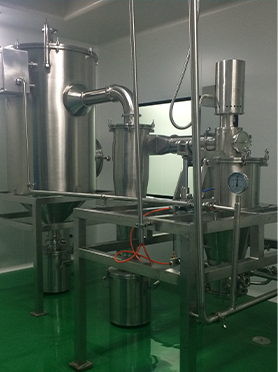
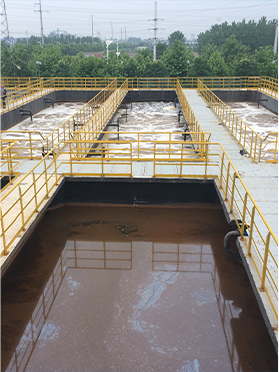
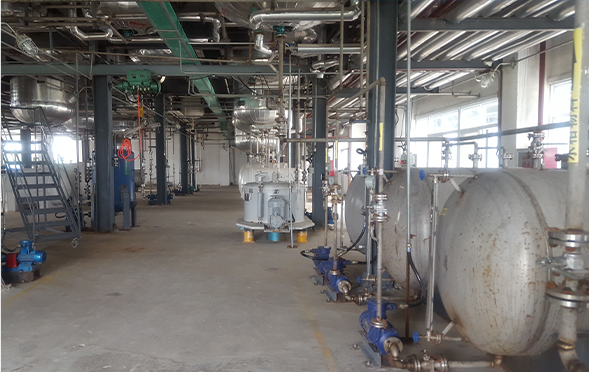
Manufacturing Facilities
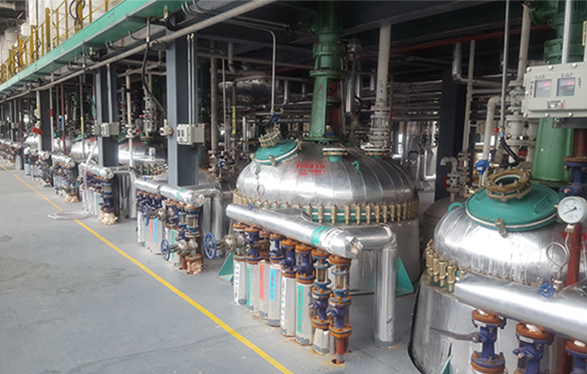
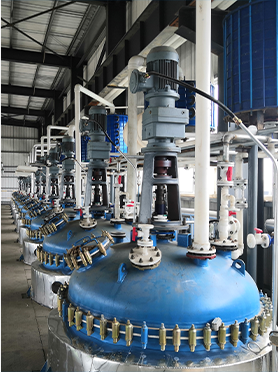
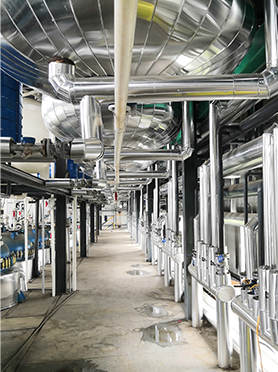
Professional Export Experience
to Global Customers
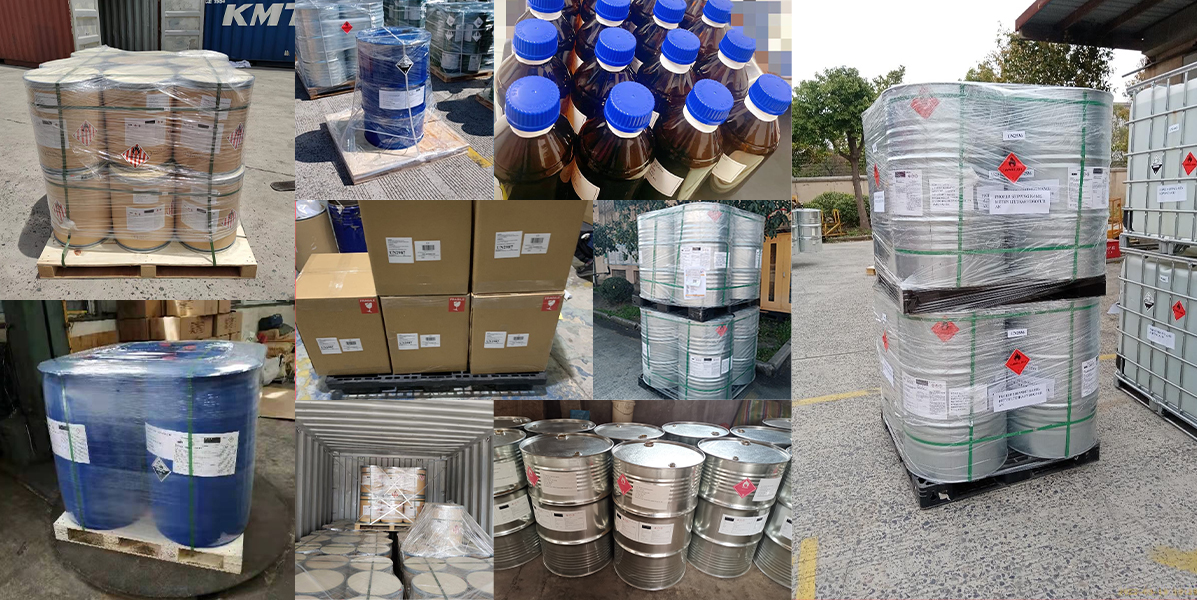
1. 20 years of R&D, manufacturing and sales experience, serving customers in 60 countries and regions around the world;
2. Own R&D laboratory, pilot platform and large-scale production workshop, which can meet the audit requirements of global customers;
3. We can satisfy customers' perfect transition from small scale lab requirements (gram level) to commercialization requirements (hundred tons level).
A: We don't have Minimum Order Quantity, exact quantity should be provided before quotation for us to calculate the exact cost.
A: We don't provide free samples due to lots of request and expensive international courier's cost, we can deduct the sample charge after commercial order placed.
A: Our payment terms: Small or sample order: T/T IN ADVANCE. Commercial order: First order should be by T/T IN ADVANCE or L/C at sight, and following orders T/T 30~90days is acceptable subject to approval of credit application.