
Custom Manufacturing, Project Outsourcing, your Trusted Partner from China
Methyl Methacrylate (MMA) is a cornerstone chemical intermediate, pivotal in the synthesis of a wide array of polymers and specialty chemicals. Its distinct properties as a monomer, particularly its ability to form polymethyl methacrylate (PMMA), drive its demand across industries like automotive, construction, electronics, and healthcare. For professionals seeking to understand or source this critical compound, a deep dive into its production methods and applications as a chemical intermediate is essential.
Understanding Methyl Methacrylate (MMA) Chemistry
Methyl Methacrylate (CAS: 80-62-6) is an organic compound with the formula C5H8O2. It is a clear, colorless liquid monomer characterized by a reactive methacrylate group. This functional group allows MMA to readily undergo polymerization and copolymerization reactions. Key physical properties include its low flash point (around 10°C), indicating flammability, and a boiling point of approximately 100.3°C. These characteristics necessitate careful handling and storage, typically in cool, well-ventilated areas, often with added inhibitors to prevent premature polymerization.
Exploring MMA Production Pathways
The industrial synthesis of MMA is achieved through several well-established chemical processes, each offering different economic and environmental profiles:
For manufacturers and R&D teams, understanding these production routes can inform decisions about purity, potential impurities, and supply chain robustness when looking to buy Methyl Methacrylate.
MMA as a Chemical Intermediate: Key Applications
The significance of MMA extends beyond PMMA production. As a chemical intermediate, it is vital for:
Sourcing MMA for Industrial Needs
Companies seeking to procure Methyl Methacrylate should focus on partnering with reliable manufacturers and suppliers who can ensure consistent purity (often exceeding 99.0%), stable supply, and competitive pricing. Access to technical data, such as TDS and SDS, is crucial for safe handling and effective application. Exploring options from established chemical suppliers, particularly those with strong manufacturing bases, can ensure a secure and cost-effective supply of this essential chemical intermediate.
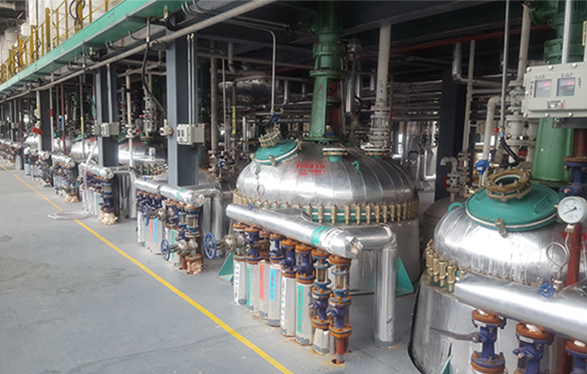
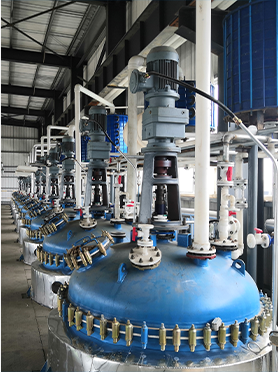
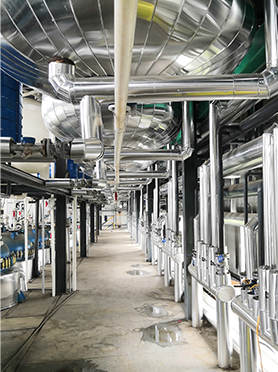
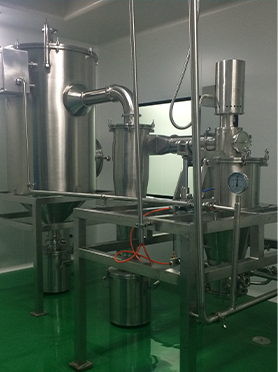
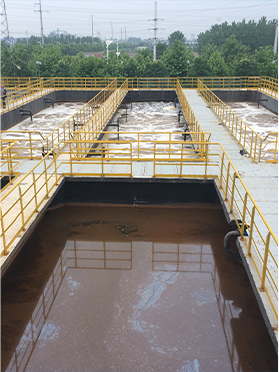
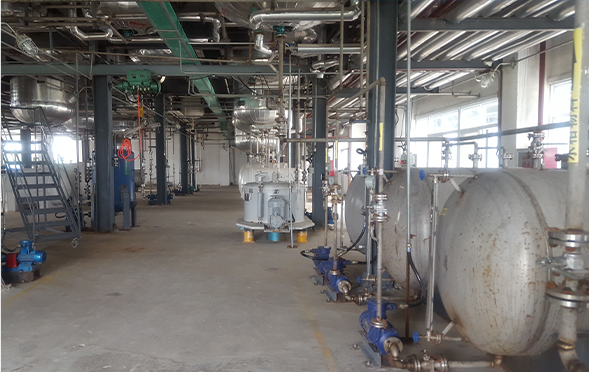
Manufacturing Facilities
Professional Export Experience
to Global Customers
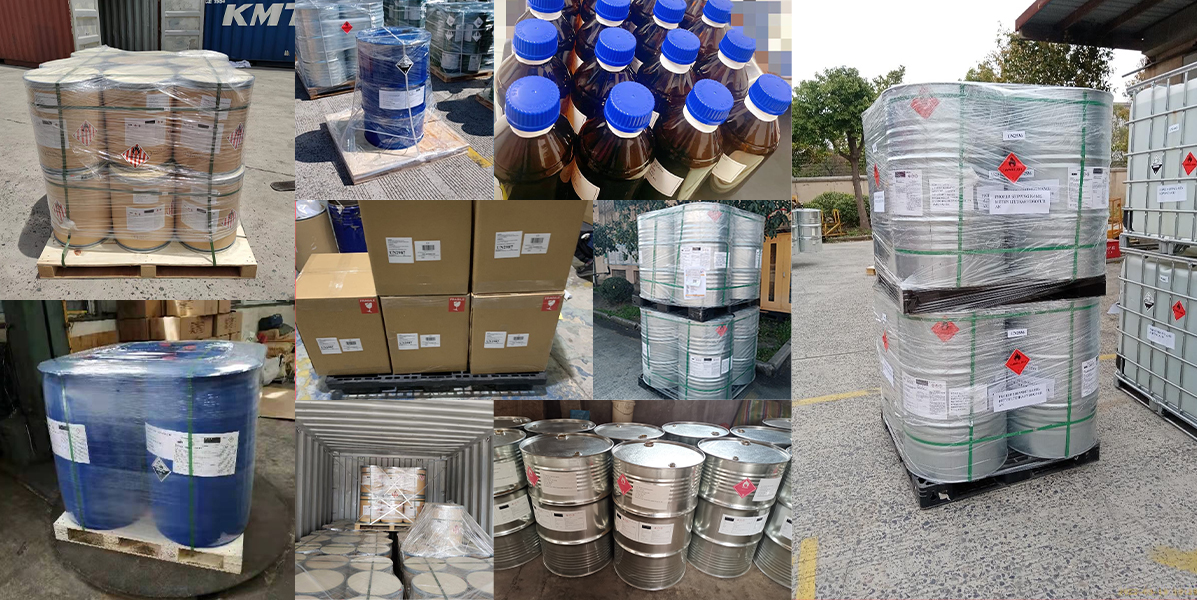
1. 20 years of R&D, manufacturing and sales experience, serving customers in 60 countries and regions around the world;
2. Own R&D laboratory, pilot platform and large-scale production workshop, which can meet the audit requirements of global customers;
3. We can satisfy customers' perfect transition from small scale lab requirements (gram level) to commercialization requirements (hundred tons level).
A: We don't have Minimum Order Quantity, exact quantity should be provided before quotation for us to calculate the exact cost.
A: We don't provide free samples due to lots of request and expensive international courier's cost, we can deduct the sample charge after commercial order placed.
A: Our payment terms: Small or sample order: T/T IN ADVANCE. Commercial order: First order should be by T/T IN ADVANCE or L/C at sight, and following orders T/T 30~90days is acceptable subject to approval of credit application.