
Custom Manufacturing, Project Outsourcing, your Trusted Partner from China
The mining industry is characterized by large-scale operations that often generate significant volumes of wastewater, or effluent, laden with suspended solids, residual chemicals, and fine mineral particles. Effective treatment of this effluent is crucial for environmental compliance, water resource management, and operational sustainability. Polyacrylamide (PAM), a versatile water-soluble polymer, plays a pivotal role in this regard, particularly as a flocculant.
The Challenge of Mining Effluents
Mining processes, such as mineral crushing, grinding, flotation, and tailings disposal, invariably produce large quantities of wastewater. This wastewater typically contains a high concentration of fine particulate matter that can remain suspended for extended periods, making clarification difficult. These suspended solids can include unrecovered minerals, process aids, and naturally occurring materials. If discharged untreated, these effluents can cause significant environmental damage, including water pollution, habitat destruction, and sedimentation of waterways.
Polyacrylamide (PAM) as a Flocculant in Mining
Polyacrylamide is widely recognized for its exceptional flocculation properties. When introduced into mining effluent, PAM molecules work by bridging the suspended particles together. The polymer chains adsorb onto the surface of these fine particles. Due to their large molecular size and the presence of functional groups, PAM molecules can physically link multiple particles, forming larger, heavier aggregates known as flocs. These flocs then settle out of the water much more rapidly than individual particles.
The effectiveness of PAM in mining applications is enhanced by its ability to:
Types of PAM for Mining Applications
The specific type of PAM used in mining applications depends on the characteristics of the effluent, particularly the charge of the suspended particles. Anionic polyacrylamides (APAM) are often preferred for treating mineral-laden wastewater, as many mineral particles exhibit a negative surface charge. However, cationic polyacrylamides (CPAM) or amphoteric polyacrylamides might be used depending on the specific chemistry of the effluent.
Best Practices for PAM Usage in Mining
To achieve optimal results, proper handling and application of PAM are essential. This includes dissolving the polymer powder correctly to form a homogeneous solution before addition, controlling the dosage based on effluent characteristics (often determined through jar tests), and ensuring adequate mixing within the treatment system to promote efficient floc formation.
In summary, polyacrylamide is an indispensable tool for the mining industry, playing a critical role in the efficient treatment of mining effluents. Its ability to promote rapid flocculation and enhance solid-liquid separation directly contributes to improved water management, reduced environmental impact, and more sustainable mining operations.
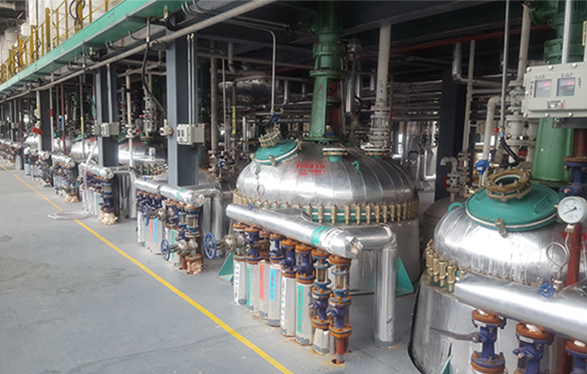
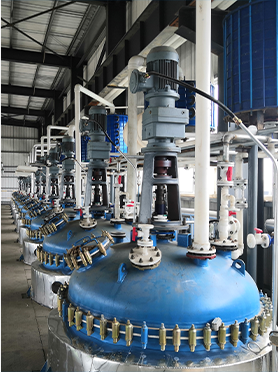
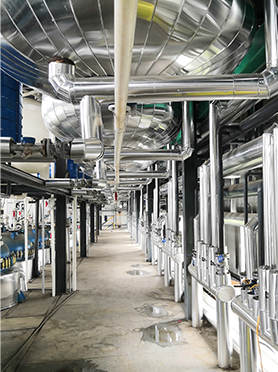
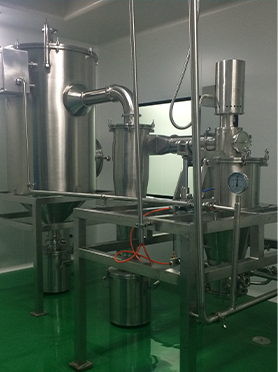
Manufacturing Facilities
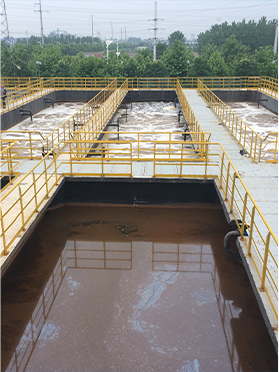
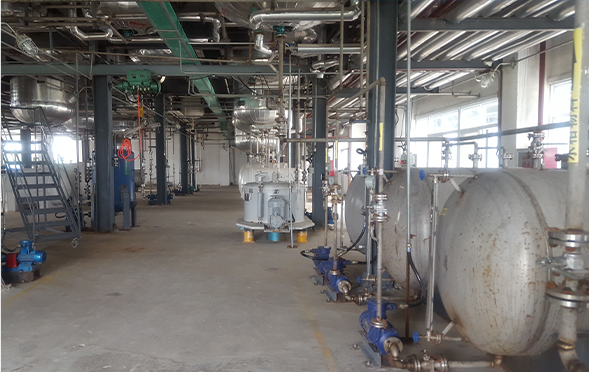
Professional Export Experience
to Global Customers
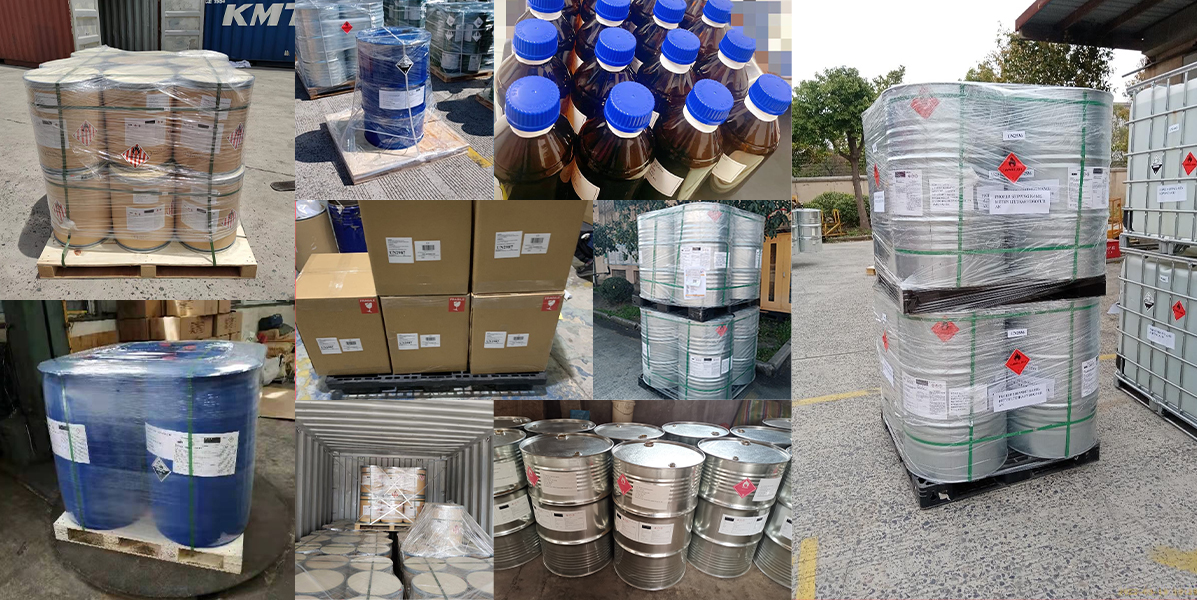
1. 20 years of R&D, manufacturing and sales experience, serving customers in 60 countries and regions around the world;
2. Own R&D laboratory, pilot platform and large-scale production workshop, which can meet the audit requirements of global customers;
3. We can satisfy customers' perfect transition from small scale lab requirements (gram level) to commercialization requirements (hundred tons level).
A: We don't have Minimum Order Quantity, exact quantity should be provided before quotation for us to calculate the exact cost.
A: We don't provide free samples due to lots of request and expensive international courier's cost, we can deduct the sample charge after commercial order placed.
A: Our payment terms: Small or sample order: T/T IN ADVANCE. Commercial order: First order should be by T/T IN ADVANCE or L/C at sight, and following orders T/T 30~90days is acceptable subject to approval of credit application.