
Custom Manufacturing, Project Outsourcing, your Trusted Partner from China
In the realm of polymer science and rubber manufacturing, the ability to precisely control cross-linking is fundamental to achieving desired material properties, particularly durability and resilience. For processors working with halogen-containing polymers, finding the right chemical additive is crucial. 3-Methylthiazolidine-2-thione (MTT), identified by CAS number 1908-87-8, is a highly effective compound that excels in this area. This article delves into MTT's mechanism for cross-linking halogenated polymers and highlights its significance for R&D scientists and procurement managers looking to buy these essential chemical intermediates. We will also touch upon sourcing strategies, emphasizing the advantages of partnering with manufacturers in China.
The Importance of Cross-linking in Polymers
Cross-linking is a chemical process that forms covalent bonds between polymer chains. In elastomers, this process, often referred to as vulcanization when using sulfur, transforms the soft, plastic-like raw polymer into a strong, elastic material. It restricts the movement of polymer chains relative to each other, preventing permanent deformation under stress and improving properties like tensile strength, tear resistance, and resistance to solvents and heat. For polymers containing halogens, such as chlorine or bromine, the presence of these atoms provides reactive sites that can be exploited for efficient cross-linking.
3-Methylthiazolidine-2-thione: A Powerful Cross-linking Agent
3-Methylthiazolidine-2-thione (MTT) is a thiazole-type ethyl ring compound distinguished by its active sulfur atoms. This inherent reactivity makes it an excellent agent for initiating and facilitating cross-linking reactions, particularly in polymers that possess halogen atoms. These halogen atoms can be readily displaced by nucleophilic attack, often facilitated by the sulfur species within MTT, leading to the formation of a robust, three-dimensional network structure.
Applications in Halogenated Polymer Systems
MTT's primary utility lies in its ability to efficiently cross-link specific types of polymers:
The mechanism often involves the formation of sulfur-containing cross-links that bridge the polymer chains, leveraging the reactive sites adjacent to the halogen atoms. This controlled cross-linking is key to producing high-performance rubber components.
Sourcing High-Quality MTT from China
For businesses seeking to buy 3-Methylthiazolidine-2-thione, sourcing from reliable manufacturers in China offers a strategic advantage. Chinese chemical suppliers often provide high-purity products (e.g., ≥98.0% assay) at competitive prices, making them an attractive option for both research and large-scale industrial production. When evaluating suppliers, look for those with a proven track record in chemical manufacturing, adherence to quality standards, and a commitment to customer service. We pride ourselves on being a leading manufacturer and supplier of MTT, dedicated to supporting your material science needs with quality products and technical expertise. We encourage you to inquire about our wholesale pricing and bulk order capabilities.
In summary, 3-Methylthiazolidine-2-thione is a vital chemical intermediate for manufacturers working with halogenated polymers. Its ability to efficiently cross-link polymers like CR and CIIR contributes significantly to the durability and performance of finished rubber products. Strategic sourcing from experienced manufacturers ensures access to high-quality MTT at a competitive price.
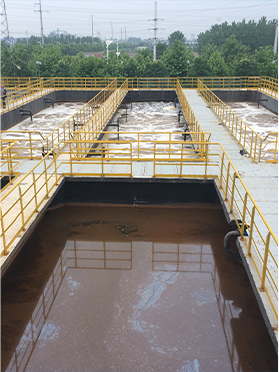
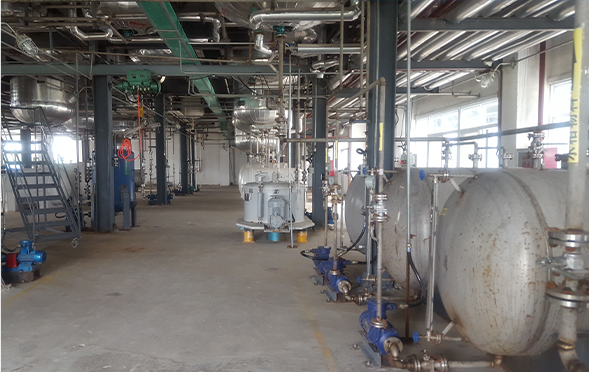
Manufacturing Facilities
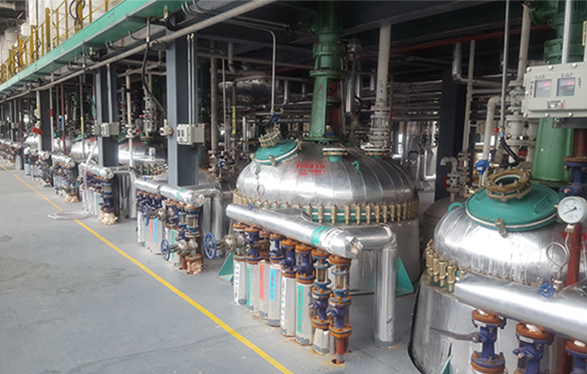
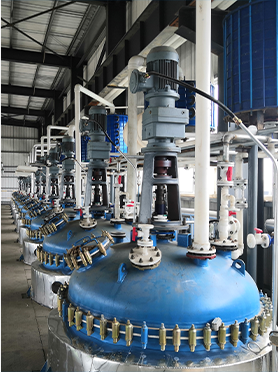
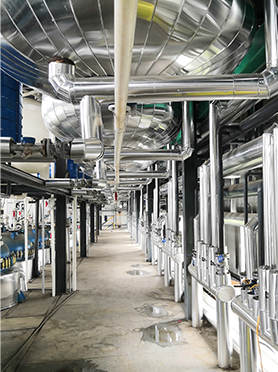
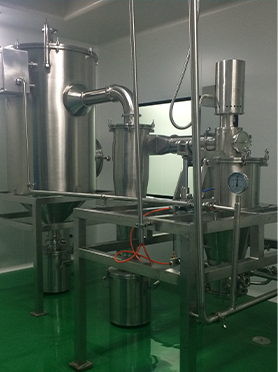
Professional Export Experience
to Global Customers
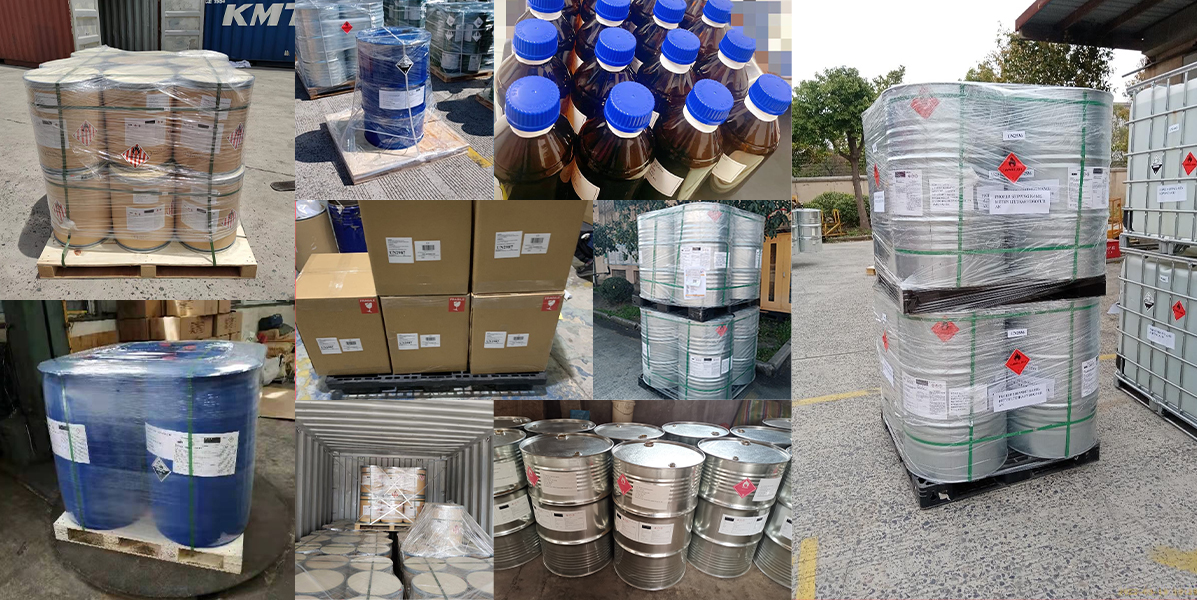
1. 20 years of R&D, manufacturing and sales experience, serving customers in 60 countries and regions around the world;
2. Own R&D laboratory, pilot platform and large-scale production workshop, which can meet the audit requirements of global customers;
3. We can satisfy customers' perfect transition from small scale lab requirements (gram level) to commercialization requirements (hundred tons level).
A: We don't have Minimum Order Quantity, exact quantity should be provided before quotation for us to calculate the exact cost.
A: We don't provide free samples due to lots of request and expensive international courier's cost, we can deduct the sample charge after commercial order placed.
A: Our payment terms: Small or sample order: T/T IN ADVANCE. Commercial order: First order should be by T/T IN ADVANCE or L/C at sight, and following orders T/T 30~90days is acceptable subject to approval of credit application.