20 YEARS OF PROFESSIONAL & DEDICATED SERVICE TO GLOBAL CUSTOMERS

Custom Manufacturing, Project Outsourcing, your Trusted Partner from China

N-Methylolacrylamide: Safety, Handling, and Regulatory Aspects for Industrial Users

N-Methylolacrylamide (CAS 924-42-5), or NMA, is a chemical compound valued for its utility in various industrial processes. However, like many reactive chemicals, it requires careful handling and a thorough understanding of its safety and regulatory profile. As a responsible manufacturer and supplier of N-Methylolacrylamide based in China, we emphasize the importance of safe practices for all our industrial partners.

Understanding the Hazards of N-Methylolacrylamide

N-Methylolacrylamide presents several health and environmental considerations that necessitate diligent safety protocols:

1. Health Hazards:

  • Toxicity: NMA is classified as toxic if swallowed and can cause damage to organs through prolonged or repeated exposure.
  • Irritation and Sensitization: It is known to cause skin irritation and may lead to allergic skin reactions (skin sensitization). Exposure can also cause respiratory irritation.
  • Mutagenicity and Carcinogenicity: NMA is suspected of causing genetic defects and may cause cancer. Its classification under the European Chemicals Agency (ECHA) as a Substance of Very High Concern (SVHC) highlights these serious concerns.
  • Reproductive Toxicity: It is suspected of damaging fertility or the unborn child.

2. Environmental Concerns:

  • Aquatic Toxicity: N-Methylolacrylamide may cause long-lasting harmful effects to aquatic life. It is essential to prevent its release into waterways.

Safe Handling Practices for Industrial Users

Given these hazards, strict safety measures are mandatory when working with N-Methylolacrylamide:

1. Engineering Controls:

  • Ventilation: Always handle NMA in well-ventilated areas, preferably under local exhaust ventilation or within a chemical fume hood, especially when dealing with powders or aerosols.
  • Closed Systems: For industrial processes, employing closed systems for transfer and reaction minimizes direct contact and inhalation risks.

2. Personal Protective Equipment (PPE):

  • Gloves: Use chemical-resistant gloves (e.g., nitrile) and replace them immediately if contaminated.
  • Eye Protection: Wear safety goggles or a face shield to protect against splashes.
  • Protective Clothing: Lab coats, long pants, and closed-toe shoes are essential to prevent skin exposure.

3. Operational Precautions:

  • Avoid Contact: Prevent contact with skin, eyes, and clothing. Do not ingest.
  • Storage: Store N-Methylolacrylamide in tightly closed containers in a cool, dry, well-ventilated area, away from heat sources, direct sunlight, and incompatible materials like strong bases and oxidizing agents.
  • Spill Management: Have appropriate spill containment and cleanup materials readily available. Dispose of spilled material and contaminated waste according to regulations.

Regulatory Landscape and Compliance

N-Methylolacrylamide is subject to significant regulatory oversight, particularly in regions like the European Union.

  • ECHA SVHC: NMA is listed as a Substance of Very High Concern (SVHC) by ECHA due to its carcinogenic, mutagenic, and reprotoxic properties. This classification imposes obligations on companies regarding communication in the supply chain and potential authorization requirements.
  • Safety Data Sheets (SDS): Always refer to the SDS provided by the manufacturer for detailed hazard information, handling instructions, emergency procedures, and disposal guidelines.
  • Local Regulations: Ensure compliance with all applicable national and local regulations pertaining to the handling, storage, transport, and disposal of hazardous chemicals.

Our Commitment to Safety and Responsibility

As a responsible N-Methylolacrylamide manufacturer in China, we are committed to providing comprehensive safety information and supporting our clients in their safe handling practices. We supply detailed SDS and TDS with all our products. We encourage all users to conduct thorough risk assessments for their specific applications.

For detailed safety information and to procure high-quality N-Methylolacrylamide, please contact us. We are your trusted partner for responsible chemical sourcing.

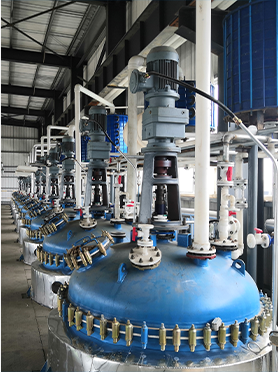
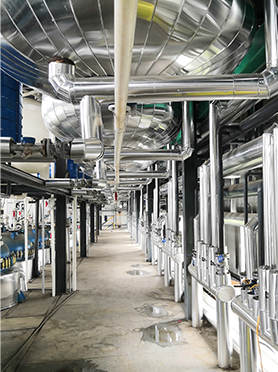
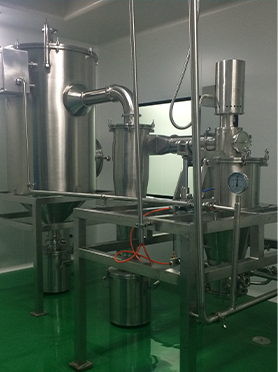
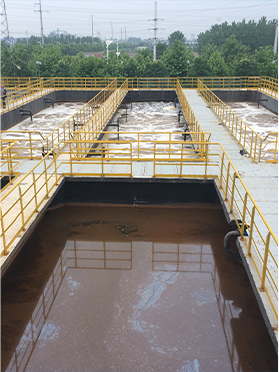
Manufacturing Facilities
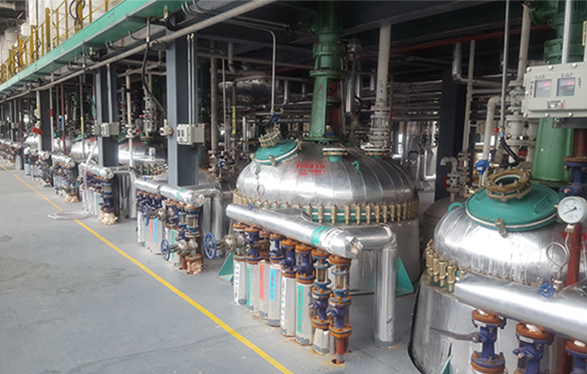
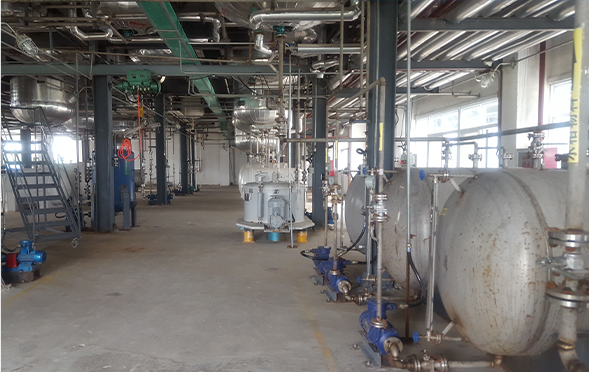
NINGBO INNO PHARMCHEM CO.,LTD. was established in 2007. It is committed to the R&D, production and sales of raw materials, pharmaceutical intermediates and fine chemicals. We striving to create a high-efficiency and high-quality integrated chemical service platform to better serve domestic and foreign customers.

Professional Export Experience

to Global Customers
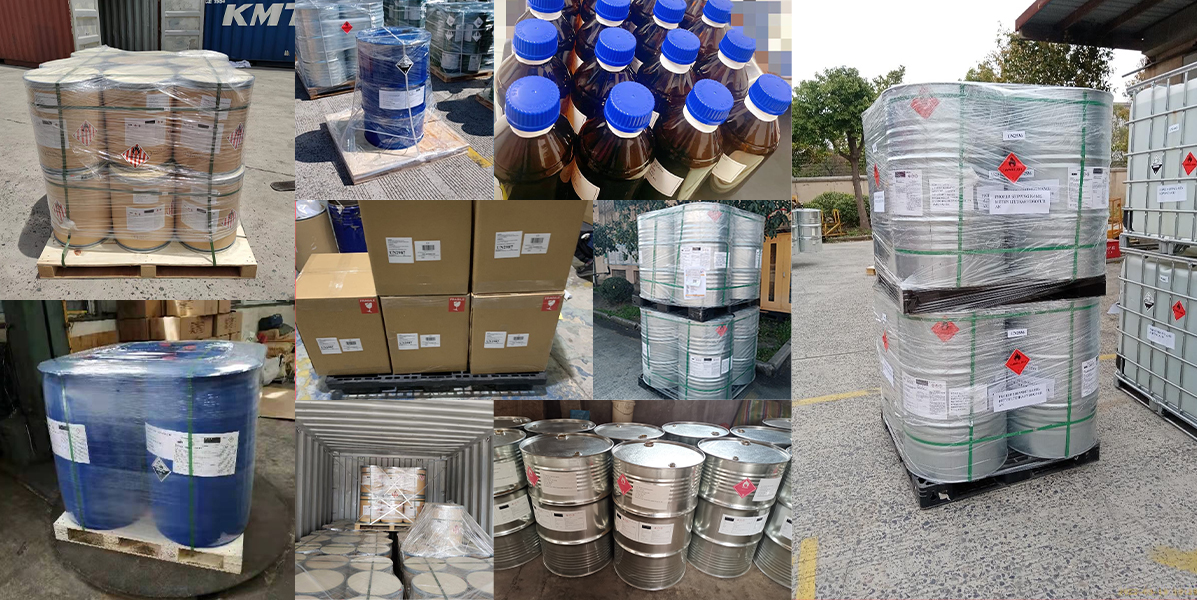
WHY CHOSE US?

1. 20 years of R&D, manufacturing and sales experience, serving customers in 60 countries and regions around the world;

2. Own R&D laboratory, pilot platform and large-scale production workshop, which can meet the audit requirements of global customers;

3. We can satisfy customers' perfect transition from small scale lab requirements (gram level) to commercialization requirements (hundred tons level).

FAQ

  • A: We don't have Minimum Order Quantity, exact quantity should be provided before quotation for us to calculate the exact cost.

  • A: We don't provide free samples due to lots of request and expensive international courier's cost, we can deduct the sample charge after commercial order placed.

  • A: Our payment terms: Small or sample order: T/T IN ADVANCE. Commercial order: First order should be by T/T IN ADVANCE or L/C at sight, and following orders T/T 30~90days is acceptable subject to approval of credit application.


CONTACT US
Should you need to contact us; you may call during regular business hours, Monday through Friday, 8am – 6 pm.
NINGBO INNO PHARMCHEM CO.,LTD.
Address: No.163 Ruiqing Rd.,Ningbo 315000 China
Phone: 86-574-87319282
Fax: 86-574-27912196
SEND US AN EMAIL

NAME*

EMAIL*

COMPANY

COUNTRY*

MESSAGE*

Previous: The Role of N-Methylolacrylamide (CAS 924-42-5) in Chemical Synthesis and Industry

Next: N-Methylolacrylamide in Advanced Materials: From Hydrogels to Smart Polymers

All Rights Reserved