
Custom Manufacturing, Project Outsourcing, your Trusted Partner from China
In the dynamic world of flavor and fragrance creation, the distinction between natural and synthetic ingredients is becoming increasingly important to consumers and manufacturers alike. 2,3,5-Trimethylpyrazine, a key aroma chemical, is available in both forms, each with its own set of properties, applications, and sourcing considerations. This article aims to clarify these differences for F&F professionals.
Historically, many aroma chemicals were primarily synthesized due to the difficulty or impossibility of isolating them in sufficient quantities from natural sources. However, advancements in extraction and fermentation technologies have opened doors to producing 'natural' versions of compounds like 2,3,5-Trimethylpyrazine. A 'natural' designation often means the compound is derived from natural raw materials through biological processes, such as fermentation, or obtained through physical processes like distillation or enzymatic treatment, without significant chemical modification.
The sensory profile of natural 2,3,5-Trimethylpyrazine is often described as being richer, more nuanced, or having a more authentic character compared to its synthetic counterpart. This is because natural processes can sometimes yield trace co-compounds that, while present in minuscule amounts, contribute subtly to the overall aroma and flavor complexity. For brands emphasizing 'natural' or 'clean label' products, opting for naturally derived 2,3,5-Trimethylpyrazine is paramount.
Synthetic 2,3,5-Trimethylpyrazine, on the other hand, is typically produced through chemical synthesis. While it offers the same core aroma profile – nutty, roasted, cocoa-like – it might lack the subtle complexities of its natural counterpart. The primary advantages of synthetic versions often lie in their cost-effectiveness, consistent purity, and scalability. For applications where the primary goal is to achieve a specific flavor note at a competitive price, and where 'natural' claims are not a critical differentiator, synthetic 2,3,5-Trimethylpyrazine remains a highly viable option.
When sourcing, professionals need to carefully examine supplier documentation. A reputable manufacturer will clearly label whether their 2,3,5-Trimethylpyrazine is natural or synthetic, and provide relevant certifications. For natural claims, look for documentation confirming the origin and processing methods. For synthetic versions, focus on detailed specifications regarding purity, such as GC assay, and adherence to regulatory standards like FEMA GRAS and FCC.
The choice between natural and synthetic 2,3,5-Trimethylpyrazine ultimately depends on the product's positioning, target market, and cost considerations. For premium products, or those aiming for a 'natural' market appeal, the naturally derived option is often preferred, despite potentially higher costs. For mass-market products or applications where cost is a major driver, synthetic 2,3,5-Trimethylpyrazine provides a reliable and economical solution.
Companies like Ningbo Inno Pharmchem Co., Ltd. can cater to both needs, offering high-quality 2,3,5-Trimethylpyrazine with clear distinctions between natural and synthetic grades. Understanding these differences empowers F&F professionals to make informed decisions, ensuring they select the ingredient that best aligns with their brand values and product development goals.
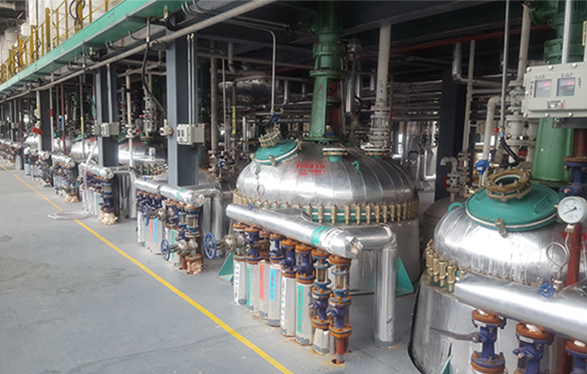
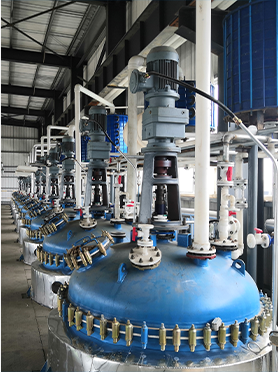
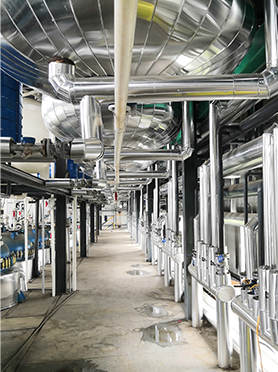
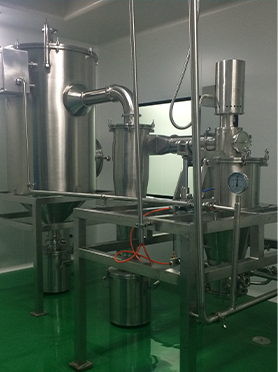
Manufacturing Facilities
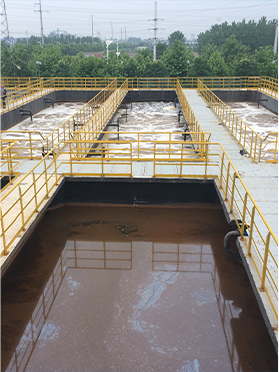
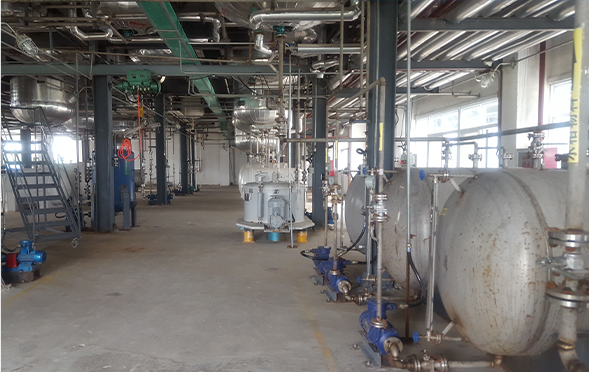
Professional Export Experience
to Global Customers
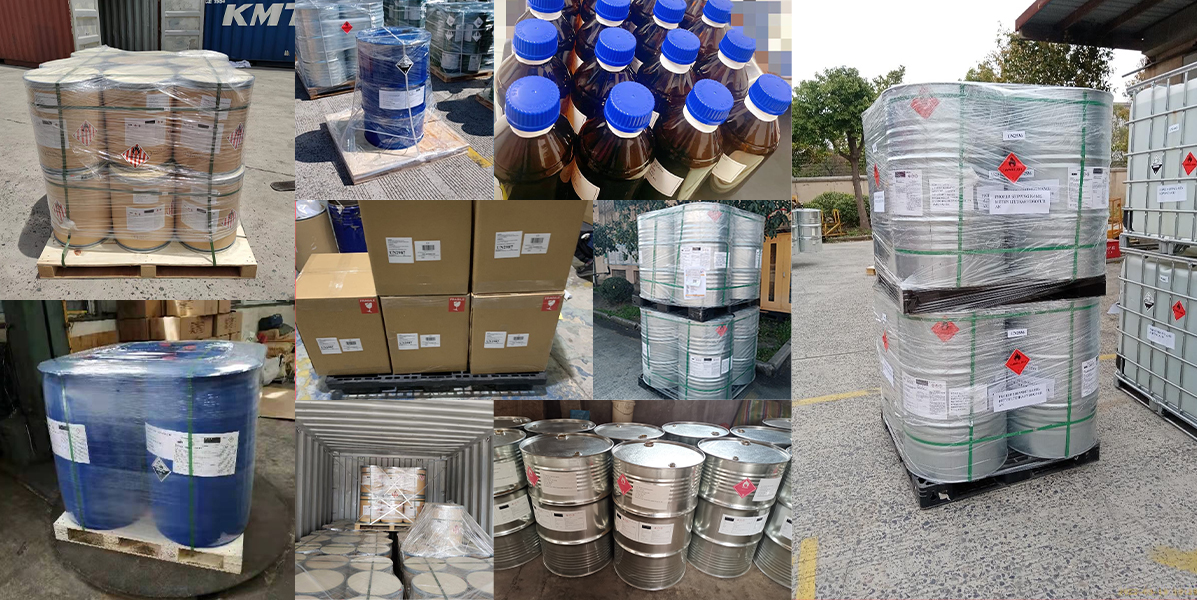
1. 20 years of R&D, manufacturing and sales experience, serving customers in 60 countries and regions around the world;
2. Own R&D laboratory, pilot platform and large-scale production workshop, which can meet the audit requirements of global customers;
3. We can satisfy customers' perfect transition from small scale lab requirements (gram level) to commercialization requirements (hundred tons level).
A: We don't have Minimum Order Quantity, exact quantity should be provided before quotation for us to calculate the exact cost.
A: We don't provide free samples due to lots of request and expensive international courier's cost, we can deduct the sample charge after commercial order placed.
A: Our payment terms: Small or sample order: T/T IN ADVANCE. Commercial order: First order should be by T/T IN ADVANCE or L/C at sight, and following orders T/T 30~90days is acceptable subject to approval of credit application.