
Custom Manufacturing, Project Outsourcing, your Trusted Partner from China
Amiodarone (CAS 1951-25-3) is a highly effective antiarrhythmic agent, but its therapeutic benefits are often accompanied by a complex array of significant side effects. Awareness and proactive management of these adverse events are paramount for patient safety, especially given the drug's widespread use in managing serious cardiac conditions like ventricular tachycardia and atrial fibrillation. Understanding amiodarone side effects lung toxicity is particularly important, as interstitial pneumonitis and pulmonary fibrosis are among the most serious potential complications. These can occur even after short-term use or persist for months after discontinuation.
Beyond pulmonary issues, Amiodarone can profoundly affect other organ systems. Thyroid dysfunction is a common concern, with patients experiencing either hypothyroidism or hyperthyroidism due to the drug's iodine content and structural similarity to thyroid hormones. Regular monitoring of thyroid function tests is therefore essential. Liver toxicity, presenting as elevated liver enzymes or, rarely, hepatitis, also requires vigilant observation. Ocular side effects, such as corneal microdeposits, are almost universal with long-term use and can lead to visual disturbances like halos or blurred vision, though they are typically reversible upon cessation of the drug.
The safety profile of Amiodarone is further complicated by extensive drug-drug interactions. Its inhibition of cytochrome P450 enzymes significantly impacts the metabolism of many commonly prescribed medications. Critical interactions include those with warfarin, where Amiodarone potentiates the anticoagulant effect, increasing bleeding risk. It also elevates levels of digoxin and certain statins, heightening the risk of toxicity. Consequently, meticulous medication review and dose adjustments are indispensable when initiating or continuing Amiodarone therapy. The long amiodarone half-life means these interactions and potential toxicities can persist for months after the drug is stopped.
Given these potential risks, adhering to strict clinical guidelines and continuous patient monitoring is crucial when using Amiodarone. This includes regular pulmonary function tests, liver function tests, ophthalmic examinations, and thyroid function monitoring. Patients should be educated about photosensitivity and the potential for skin discoloration. The availability of high-quality pharmaceutical intermediates ensures consistency and purity, which are fundamental for minimizing variability in therapeutic response and side effect profiles.
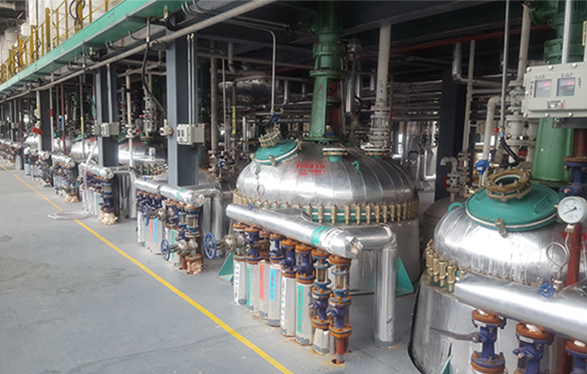
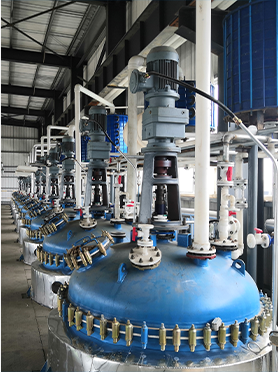
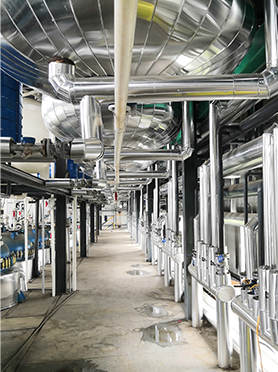
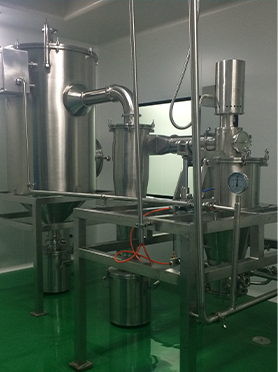
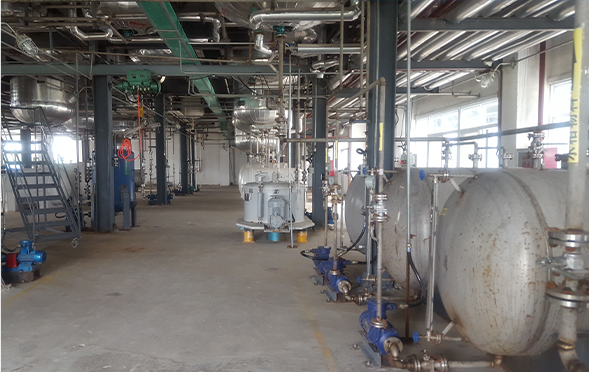
Manufacturing Facilities

Professional Export Experience
to Global Customers
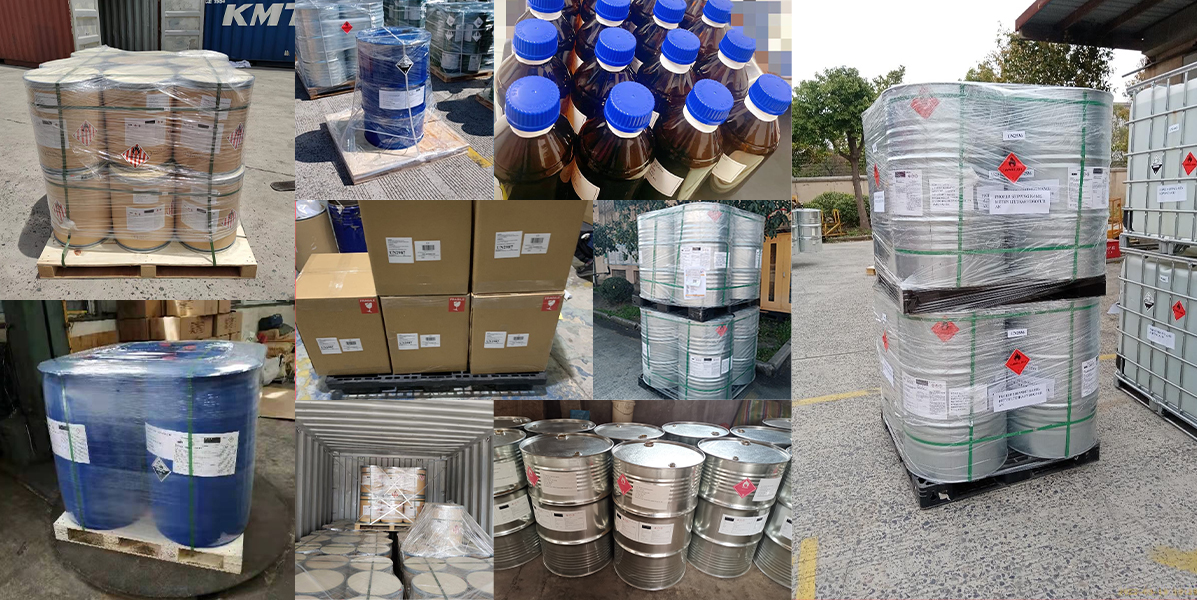
1. 20 years of R&D, manufacturing and sales experience, serving customers in 60 countries and regions around the world;
2. Own R&D laboratory, pilot platform and large-scale production workshop, which can meet the audit requirements of global customers;
3. We can satisfy customers' perfect transition from small scale lab requirements (gram level) to commercialization requirements (hundred tons level).
A: We don't have Minimum Order Quantity, exact quantity should be provided before quotation for us to calculate the exact cost.
A: We don't provide free samples due to lots of request and expensive international courier's cost, we can deduct the sample charge after commercial order placed.
A: Our payment terms: Small or sample order: T/T IN ADVANCE. Commercial order: First order should be by T/T IN ADVANCE or L/C at sight, and following orders T/T 30~90days is acceptable subject to approval of credit application.