Custom Manufacturing, Project Outsourcing, your Trusted Partner from China
The performance and lifespan of polymer-based products are heavily influenced by their resistance to environmental degradation, particularly from ultraviolet (UV) radiation. To achieve this resilience, manufacturers rely on a variety of polymer additives, with light stabilizers being among the most crucial. Among the different types of light stabilizers, Hindered Amine Light Stabilizers (HALS) have gained significant prominence due to their unique and highly effective mechanism of action. Understanding how to choose the right light stabilizer is key to ensuring the optimal performance and longevity of any polymer application.
Light stabilizers function primarily in two ways: by absorbing UV radiation (UV absorbers) or by scavenging free radicals generated during the photodegradation process (HALS). While UV absorbers act as a shield, blocking UV light from reaching the polymer, HALS work by deactivating the reactive species that cause damage. This radical-scavenging capability is regenerative, meaning HALS molecules can repeatedly neutralize free radicals without being consumed, providing long-term protection. This makes HALS exceptionally effective, especially for applications requiring extended outdoor exposure or high durability.
When selecting a HALS for a specific application, several factors come into play. Firstly, the type of polymer is critical. Different HALS exhibit varying degrees of compatibility with different polymer matrices. For instance, Polymeric Hindered Amine Light Stabilizer LS 944 demonstrates excellent performance in polyolefins (PE, PP), TPO, polyamides, PVC, styrenic TPEs, and polyurethanes, showcasing its broad applicability. Secondly, the intended application and environmental conditions are paramount. For applications requiring high thermal stability or resistance to migration, polymeric HALS with high molecular weights are often preferred, as they offer reduced volatility and better retention within the polymer matrix.
Food contact approvals are another critical consideration, especially for packaging or consumer goods. HALS with verified food contact clearances ensure that the additive is safe for use in such sensitive applications, minimizing any risk of migration into food products. Additionally, the concentration of HALS required can vary depending on the polymer, the thickness of the product, and the expected UV exposure. Manufacturers often work with technical experts to determine the optimal dosage for achieving the desired level of protection without over-formulating.
Choosing the right light stabilizer is an investment in product quality and customer satisfaction. By understanding the distinct mechanisms of UV absorbers and HALS, and considering factors like polymer compatibility, application requirements, and regulatory compliance, manufacturers can make informed decisions. NINGBO INNO PHARMCHEM CO.,LTD. offers a portfolio of advanced polymer additives, including high-performance HALS like Polymeric Hindered Amine Light Stabilizer LS 944, designed to meet diverse needs and enhance the durability of polymer products.
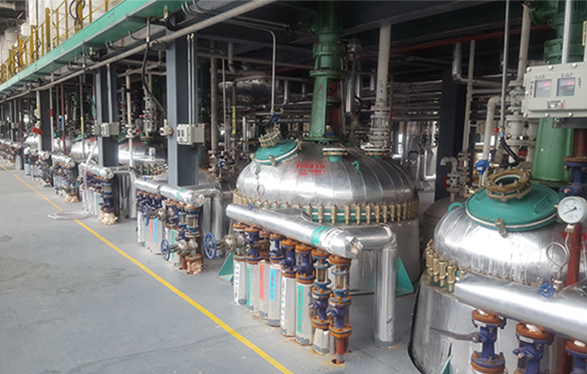
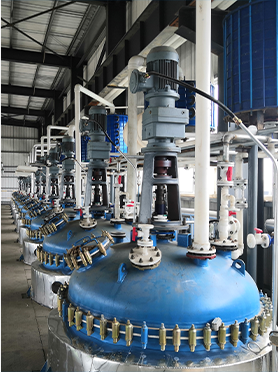
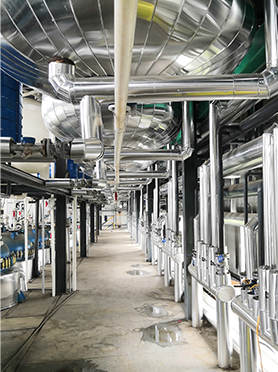
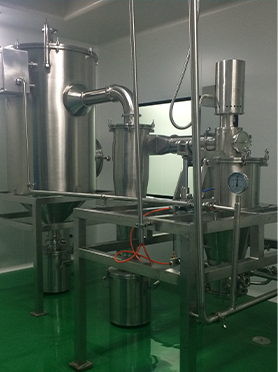
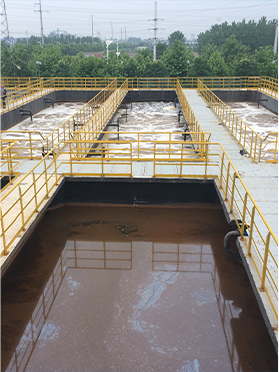
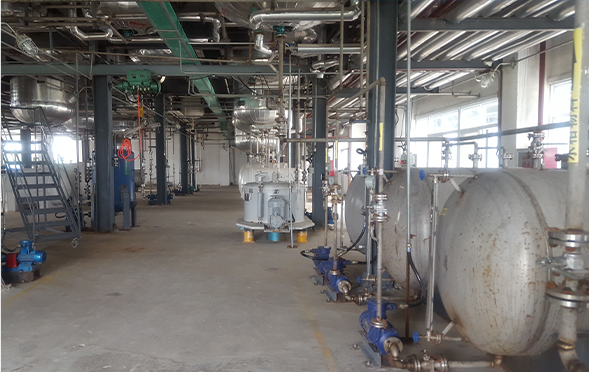
Manufacturing Facilities
Professional Export Experience
to Global Customers
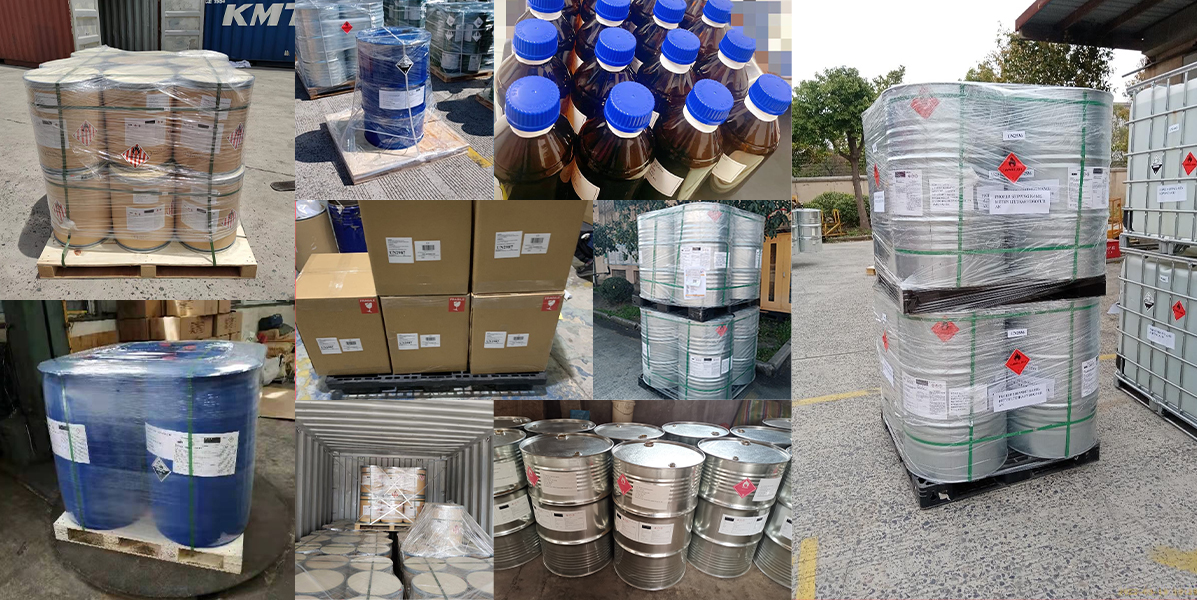
1. 20 years of R&D, manufacturing and sales experience, serving customers in 60 countries and regions around the world;
2. Own R&D laboratory, pilot platform and large-scale production workshop, which can meet the audit requirements of global customers;
3. We can satisfy customers' perfect transition from small scale lab requirements (gram level) to commercialization requirements (hundred tons level).
A: We don't have Minimum Order Quantity, exact quantity should be provided before quotation for us to calculate the exact cost.
A: We don't provide free samples due to lots of request and expensive international courier's cost, we can deduct the sample charge after commercial order placed.
A: Our payment terms: Small or sample order: T/T IN ADVANCE. Commercial order: First order should be by T/T IN ADVANCE or L/C at sight, and following orders T/T 30~90days is acceptable subject to approval of credit application.