
Custom Manufacturing, Project Outsourcing, your Trusted Partner from China
p-Phenylenediamine (PPD), known by its CAS number 106-50-3, is a widely recognized ingredient in permanent hair dyes. Its ability to produce long-lasting color through oxidative reactions has made it a staple in the cosmetic industry. However, the use of PPD in hair dyes is not without its safety considerations, which are important for both consumers and manufacturers to understand.
One of the most significant safety concerns associated with p-Phenylenediamine is its potential as a potent skin sensitizer. Many individuals can develop allergic contact dermatitis upon repeated exposure to PPD, leading to symptoms like redness, itching, swelling, and blistering of the skin. This sensitization can be a lifelong issue, potentially causing reactions to other products containing PPD or related chemicals.
Furthermore, research has indicated concerns regarding the mutagenicity of p-Phenylenediamine. When PPD reacts with hydrogen peroxide, a common component in hair dye formulations, it can form Bandrowski’s base, a substance that has shown mutagenic properties in studies, meaning it can potentially alter genetic material. While regulatory bodies worldwide have established limits for PPD concentration in hair dyes, the risk of exposure to mutagenic substances during the dyeing process remains a topic of discussion.
Ingestion of p-Phenylenediamine can lead to severe toxicity, including respiratory distress and renal failure, a condition sometimes referred to as 'hair dye poisoning.' Due to these health concerns, many regions have regulations in place to limit the concentration of PPD in cosmetic products and require clear labeling. Consumers are advised to perform patch tests before applying hair dyes containing PPD and to seek professional advice if they have a history of allergies.
NINGBO INNO PHARMCHEM CO.,LTD. is committed to providing high-quality chemical products while emphasizing responsible use and safety. Understanding the nuances of p-Phenylenediamine's application in cosmetics, including its potential hazards, is crucial for manufacturers aiming to develop safe and effective products. Continuous research and adherence to regulatory guidelines are essential for managing the risks associated with this versatile chemical.
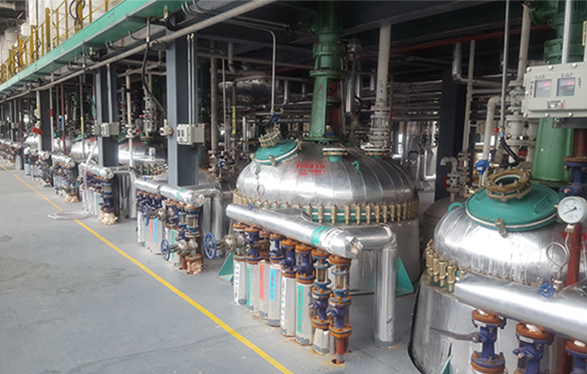
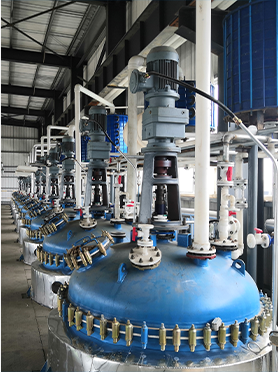
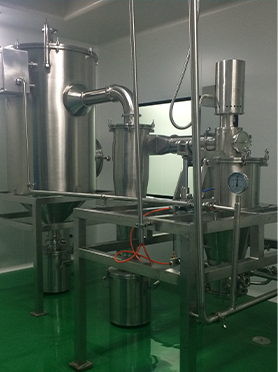
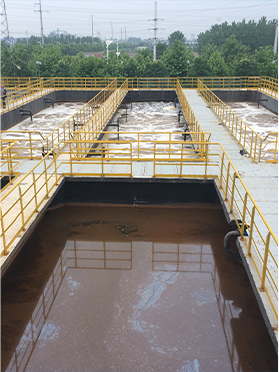
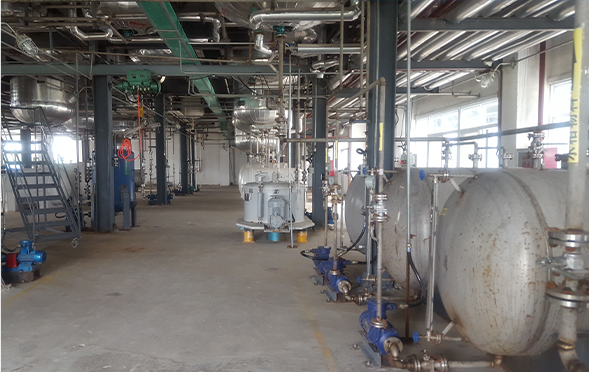
Manufacturing Facilities

Professional Export Experience
to Global Customers
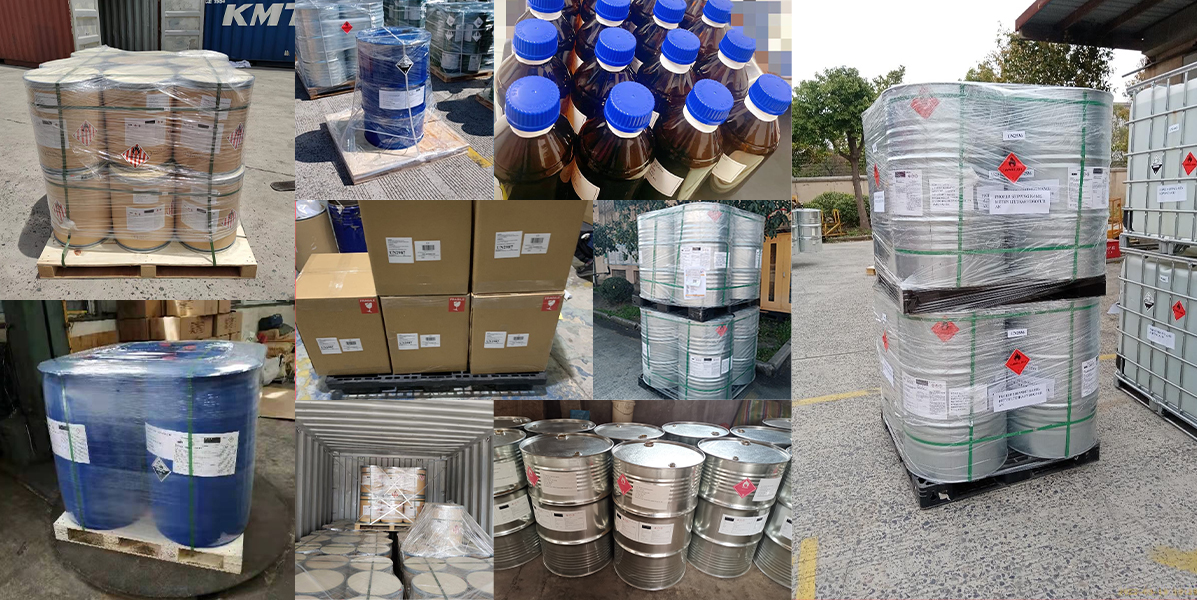
1. 20 years of R&D, manufacturing and sales experience, serving customers in 60 countries and regions around the world;
2. Own R&D laboratory, pilot platform and large-scale production workshop, which can meet the audit requirements of global customers;
3. We can satisfy customers' perfect transition from small scale lab requirements (gram level) to commercialization requirements (hundred tons level).
A: We don't have Minimum Order Quantity, exact quantity should be provided before quotation for us to calculate the exact cost.
A: We don't provide free samples due to lots of request and expensive international courier's cost, we can deduct the sample charge after commercial order placed.
A: Our payment terms: Small or sample order: T/T IN ADVANCE. Commercial order: First order should be by T/T IN ADVANCE or L/C at sight, and following orders T/T 30~90days is acceptable subject to approval of credit application.