
Custom Manufacturing, Project Outsourcing, your Trusted Partner from China
Selecting the appropriate isocyanate is a foundational decision in formulating high-performance polyurethane (PU) materials. While MDI (Methylene diphenyl diisocyanate) and TDI (Toluene diisocyanate) are widely used and cost-effective options for many applications, 1,5-Naphthalene Diisocyanate (NDI) offers distinct advantages for scenarios demanding exceptional mechanical properties, thermal resistance, and dynamic performance. NINGBO INNO PHARMCHEM CO.,LTD., as a specialized manufacturer and supplier of NDI, provides insights into making the right choice for your PU formulations.
The fundamental difference lies in their molecular structures. MDI and TDI are based on benzene rings, whereas NDI is built upon a naphthalene structure. This difference leads to significant variations in their physical and chemical properties and, consequently, the performance of the resulting polyurethanes. NDI's inherent molecular rigidity, symmetry, and higher melting point (around 126-130°C) compared to the liquid MDI and TDI, contribute to a more ordered polymer structure and enhanced phase separation in PU elastomers.
This enhanced phase separation is the root of NDI's superior performance. PU elastomers formulated with NDI exhibit significantly higher tensile strength, tear resistance, and modulus. They also possess superior wear resistance and heat resistance, making them ideal for applications operating under severe stress and temperature conditions. For instance, if your application requires forklift wheels that can withstand heavy loads and abrasive floors, or industrial rollers that maintain precision at higher speeds, NDI is the superior choice over MDI or TDI.
Dynamic performance is another area where NDI excels. NDI-based polyurethanes demonstrate higher rebound elasticity and better resistance to compression set and dynamic fatigue. This makes them highly suitable for components subjected to continuous movement and stress, such as automotive shock absorbers, vibration dampeners, and high-performance seals. While MDI and TDI can be modified to achieve good performance, NDI inherently provides these advanced characteristics due to its molecular architecture.
However, it's important to consider the processing differences. NDI's higher melting point means it is typically processed in a molten state, requiring different equipment and handling procedures compared to liquid isocyanates. While this may present some processing challenges, the performance gains often justify the adaptation. For many, the ability to buy NDI from a reliable supplier like NINGBO INNO PHARMCHEM CO.,LTD. in China simplifies the sourcing process.
In summary, if your PU application demands the absolute highest levels of mechanical strength, wear resistance, heat stability, and dynamic performance, NDI is likely the optimal choice. For general-purpose applications where cost is a primary driver and these extreme properties are not critical, MDI or TDI might suffice. Understanding these distinctions allows manufacturers to select the most appropriate isocyanate, ensuring both product performance and economic efficiency. Consult with NINGBO INNO PHARMCHEM CO.,LTD. for expert advice on your NDI requirements.
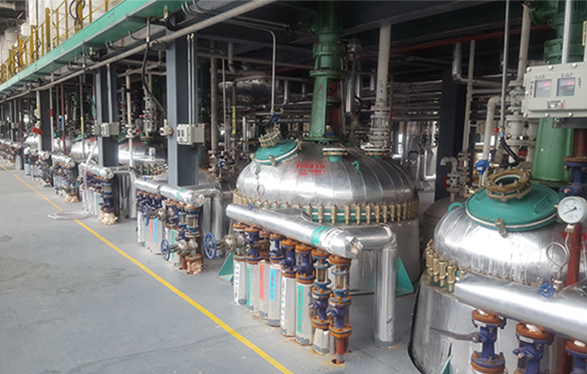
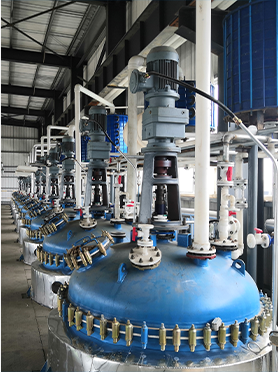
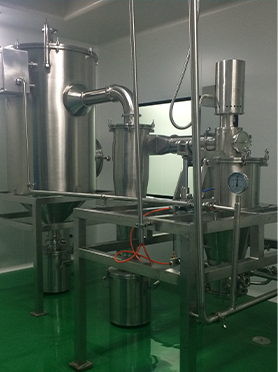
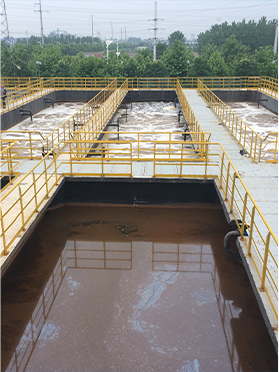
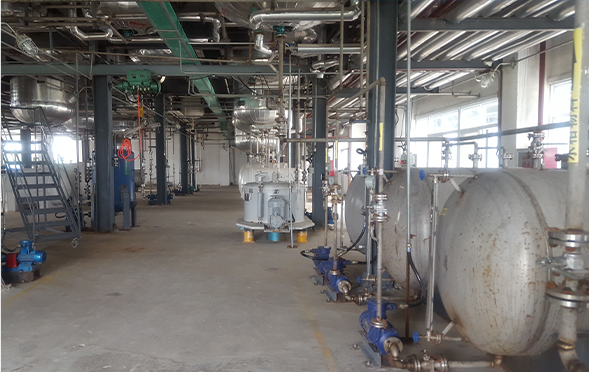
Manufacturing Facilities

Professional Export Experience
to Global Customers
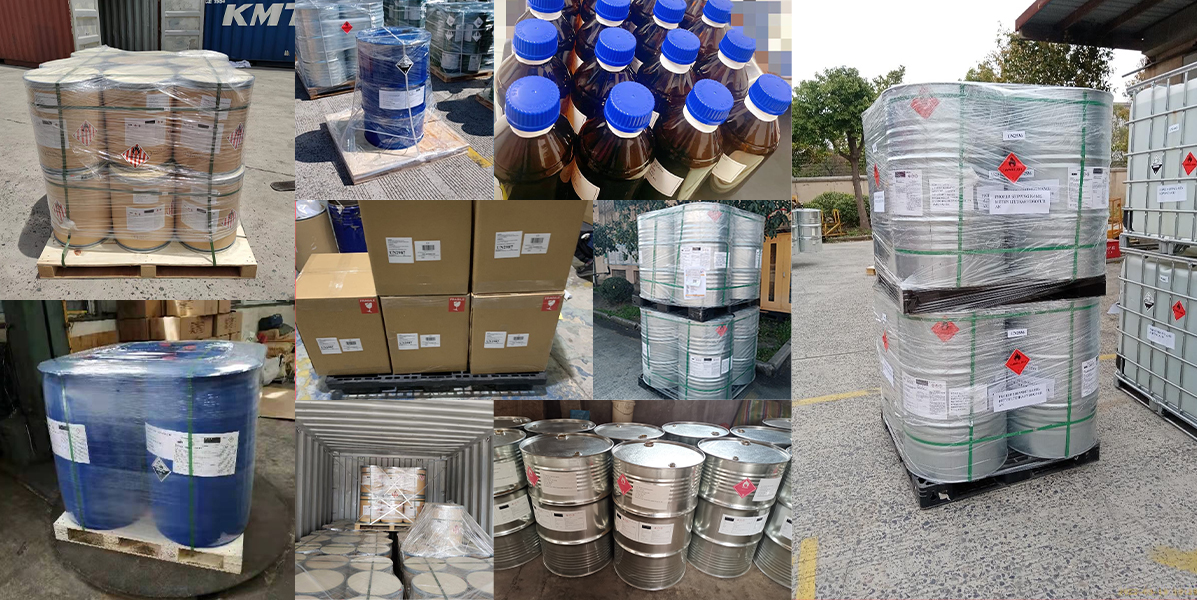
1. 20 years of R&D, manufacturing and sales experience, serving customers in 60 countries and regions around the world;
2. Own R&D laboratory, pilot platform and large-scale production workshop, which can meet the audit requirements of global customers;
3. We can satisfy customers' perfect transition from small scale lab requirements (gram level) to commercialization requirements (hundred tons level).
A: We don't have Minimum Order Quantity, exact quantity should be provided before quotation for us to calculate the exact cost.
A: We don't provide free samples due to lots of request and expensive international courier's cost, we can deduct the sample charge after commercial order placed.
A: Our payment terms: Small or sample order: T/T IN ADVANCE. Commercial order: First order should be by T/T IN ADVANCE or L/C at sight, and following orders T/T 30~90days is acceptable subject to approval of credit application.