
Custom Manufacturing, Project Outsourcing, your Trusted Partner from China
The textile industry relies on a variety of chemical auxiliaries to achieve desired fabric characteristics, with softeners being among the most critical for enhancing tactile appeal. While traditional softeners have long been a staple, the industry is increasingly leaning towards nonionic softeners due to their superior performance and versatility. For procurement managers and formulation chemists, understanding these differences is vital when deciding which products to purchase and from which suppliers. This article contrasts nonionic softeners with traditional types and highlights the advantages of integrating nonionic options into your textile finishing operations. If you’re considering where to buy nonionic softener flakes, this comparison will guide your decision.
Traditional Softeners: The Foundation
Traditional fabric softeners, predominantly cationic in nature, work by imparting a positive charge to fabric fibers, neutralizing the inherent negative charge and reducing friction. This mechanism effectively softens the fabric and reduces static cling. Many traditional softeners are also formulated with fragrances that leave clothes smelling fresh. However, they can have limitations. Cationic softeners may reduce the absorbency of fabrics like towels, which can be a drawback for functional textiles. They can also sometimes cause yellowing, particularly on white or light-colored fabrics, and may be incompatible with certain dyes and finishes, leading to processing issues for manufacturers.
Nonionic Softeners: Modern Performance
Nonionic softeners offer a distinct advantage due to their neutral charge. This neutrality allows them to be compatible with virtually all other textile auxiliaries, including dyes, finishing agents, and even other types of softeners, without causing adverse reactions. This broad compatibility makes them exceptionally versatile for complex finishing recipes. Key benefits include their excellent low yellowing properties, which are crucial for maintaining the visual appeal of whites and pastel shades. They provide a smooth, soft, and full hand feel without the risk of reducing fabric absorbency or breathability, making them ideal for everything from intimate apparel to performance wear and home textiles. Many nonionic softeners also contribute to antistatic properties, enhancing fabric drape and comfort. For manufacturers seeking to buy nonionic softener flakes, these attributes represent a significant upgrade in finishing capabilities.
Why Nonionic Softeners Are Preferred
The preference for nonionic softeners in modern textile finishing stems from several factors. Their versatility eliminates compatibility concerns that can arise with cationic softeners, simplifying formulation and reducing the risk of processing errors. The low yellowing effect ensures the integrity of fabric colors, a critical requirement for many market segments. Furthermore, their ability to enhance softness without compromising absorbency or adding unwanted static makes them suitable for a wider range of applications, from delicate lingerie to functional sportswear. For textile companies, sourcing these advanced softeners from reliable manufacturers, particularly from China known for its chemical production capacity, offers a strategic advantage. When looking to purchase nonionic softener flakes, seeking suppliers who provide strong technical support and consistent quality is key to leveraging these benefits effectively.
Conclusion
While traditional softeners have served the industry well, nonionic softeners represent a clear advancement in textile finishing technology. Their superior compatibility, low yellowing, and broader applicability make them an essential choice for manufacturers aiming to produce high-quality textiles that meet the demands of contemporary consumers. By partnering with reputable suppliers to procure nonionic softener flakes, textile businesses can enhance their product offerings and maintain a competitive edge in the global market.
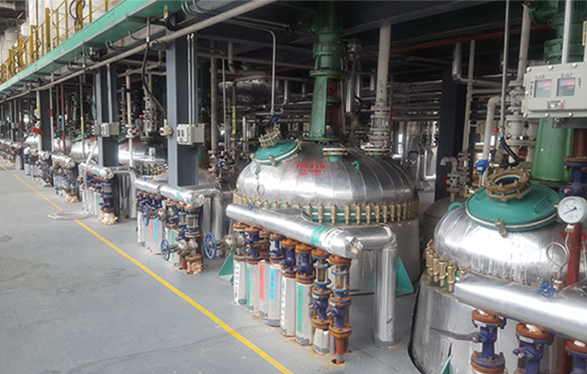
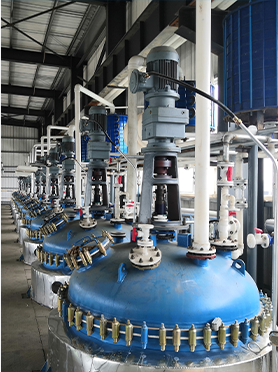
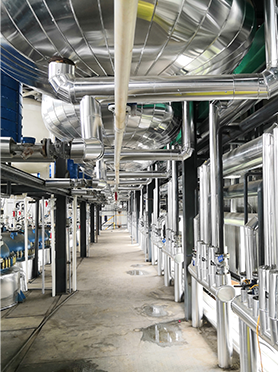
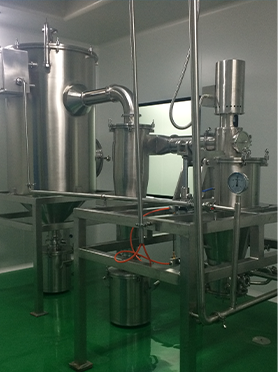
Manufacturing Facilities
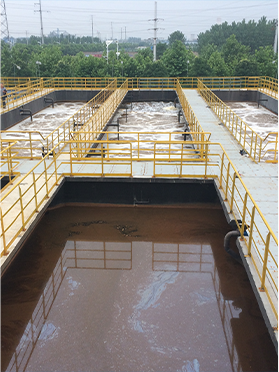
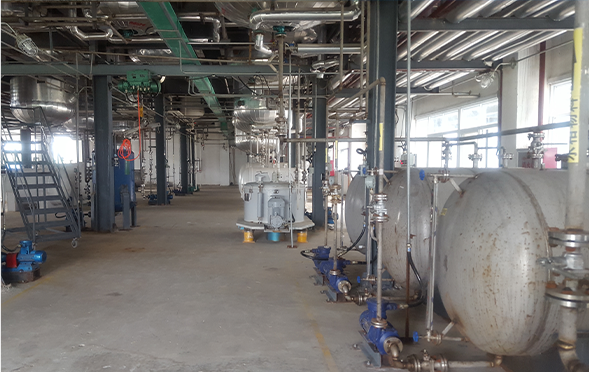
Professional Export Experience
to Global Customers
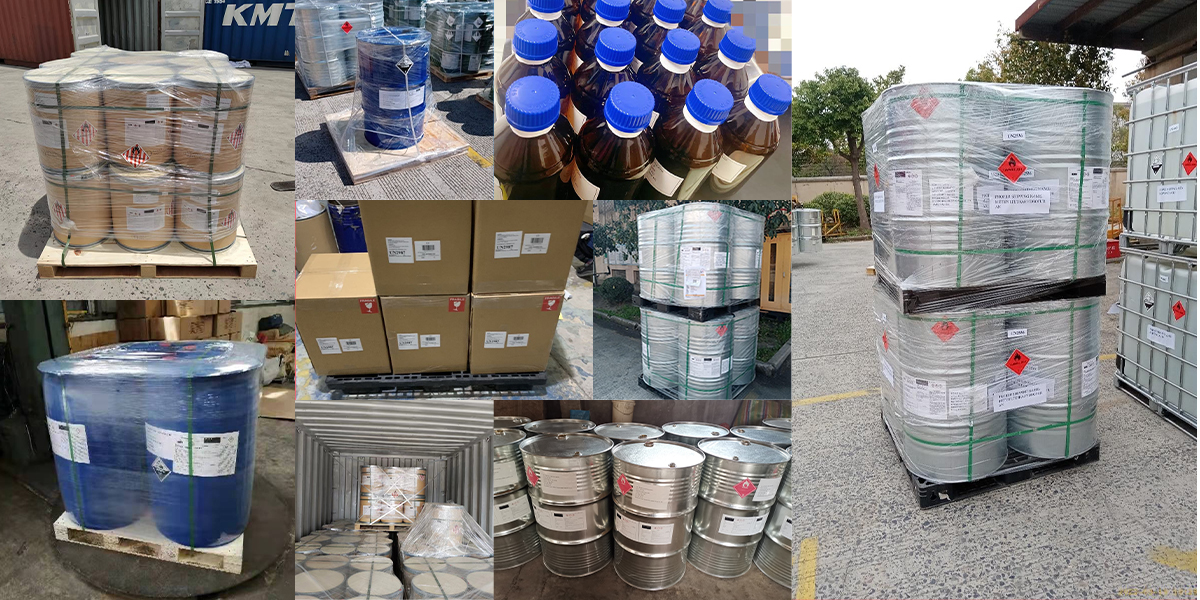
1. 20 years of R&D, manufacturing and sales experience, serving customers in 60 countries and regions around the world;
2. Own R&D laboratory, pilot platform and large-scale production workshop, which can meet the audit requirements of global customers;
3. We can satisfy customers' perfect transition from small scale lab requirements (gram level) to commercialization requirements (hundred tons level).
A: We don't have Minimum Order Quantity, exact quantity should be provided before quotation for us to calculate the exact cost.
A: We don't provide free samples due to lots of request and expensive international courier's cost, we can deduct the sample charge after commercial order placed.
A: Our payment terms: Small or sample order: T/T IN ADVANCE. Commercial order: First order should be by T/T IN ADVANCE or L/C at sight, and following orders T/T 30~90days is acceptable subject to approval of credit application.