
Custom Manufacturing, Project Outsourcing, your Trusted Partner from China
The breathtaking visual fidelity and energy efficiency of modern OLED displays are the result of sophisticated material science. At the core of this innovation are specialized organic molecules, often referred to as intermediates, which are synthesized and then assembled into the complex layers of an OLED device. Understanding these intermediates and their sourcing is vital for anyone involved in the electronic display industry. This article delves into the importance of these components, with a spotlight on boronic acid derivatives.
What are OLED Intermediates?
OLED intermediates are chemical compounds used as foundational building blocks in the synthesis of functional materials for OLEDs. These materials are responsible for tasks such as injecting and transporting charge carriers (electrons and holes) and emitting light when these carriers recombine. The precise arrangement and electronic properties of these molecules dictate the color, brightness, efficiency, and lifespan of the display. Common classes of intermediates include aromatic amines, heterocyclic compounds, and crucially, organoboron compounds.
The Significance of Boronic Acids
Boronic acids have become indispensable in the synthesis of OLED materials, primarily due to their utility in palladium-catalyzed cross-coupling reactions like the Suzuki-Miyaura coupling. This reaction allows for the efficient formation of carbon-carbon bonds between aryl or heteroaryl groups, enabling the precise construction of extended conjugated systems. For example, 2,6-Dimethoxyphenylboronic Acid (CAS: 23112-96-1) is a valuable intermediate that can be incorporated into larger molecules to fine-tune electronic and photophysical properties.
Its structure, with methoxy groups ortho to the boronic acid moiety, can influence steric and electronic factors, impacting reactivity and the resulting material's performance. High purity is paramount; manufacturers must ensure minimal impurities that could otherwise quench luminescence or create charge traps in the final OLED device. We, as a dedicated manufacturer in China, provide such high-purity intermediates to the global market.
Sourcing Strategies for B2B Buyers
When sourcing OLED intermediates like 2,6-Dimethoxyphenylboronic Acid, consider the following:
We, as a leading manufacturer, offer 2,6-Dimethoxyphenylboronic Acid with a guaranteed purity of 97% min, suitable for demanding OLED applications. We welcome inquiries for bulk purchases and are happy to provide free samples to qualified clients. Our commitment to quality and reliability makes us an ideal partner for your OLED material development and manufacturing needs.
The continuous innovation in display technology relies on the steady supply of high-quality OLED intermediates. By understanding the role of these crucial chemical components and partnering with reputable manufacturers, companies can drive forward the next generation of visual experiences.
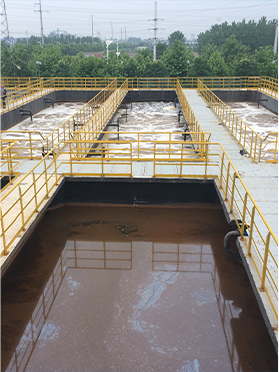
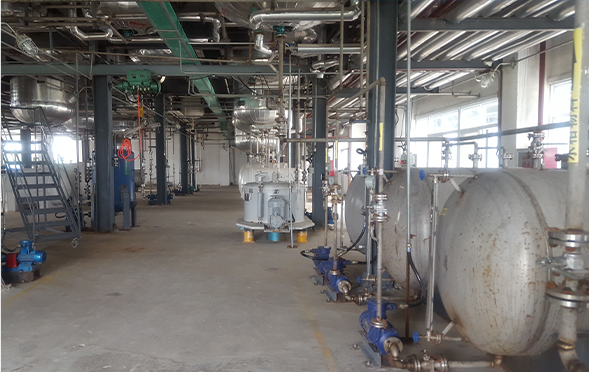
Manufacturing Facilities
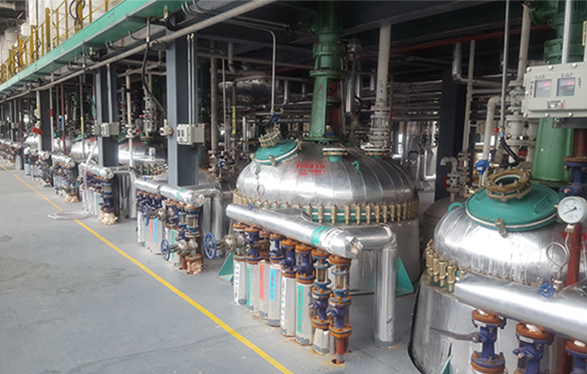
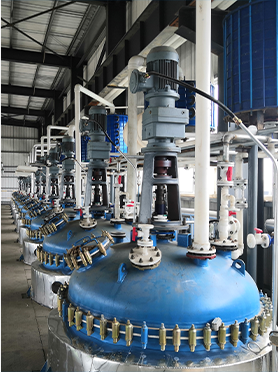
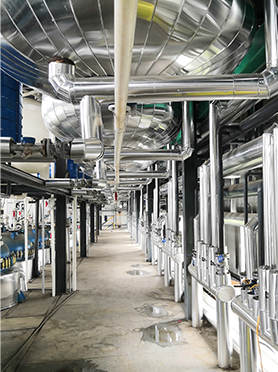
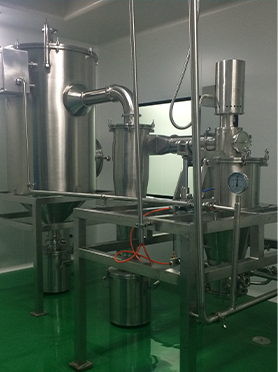
Professional Export Experience
to Global Customers
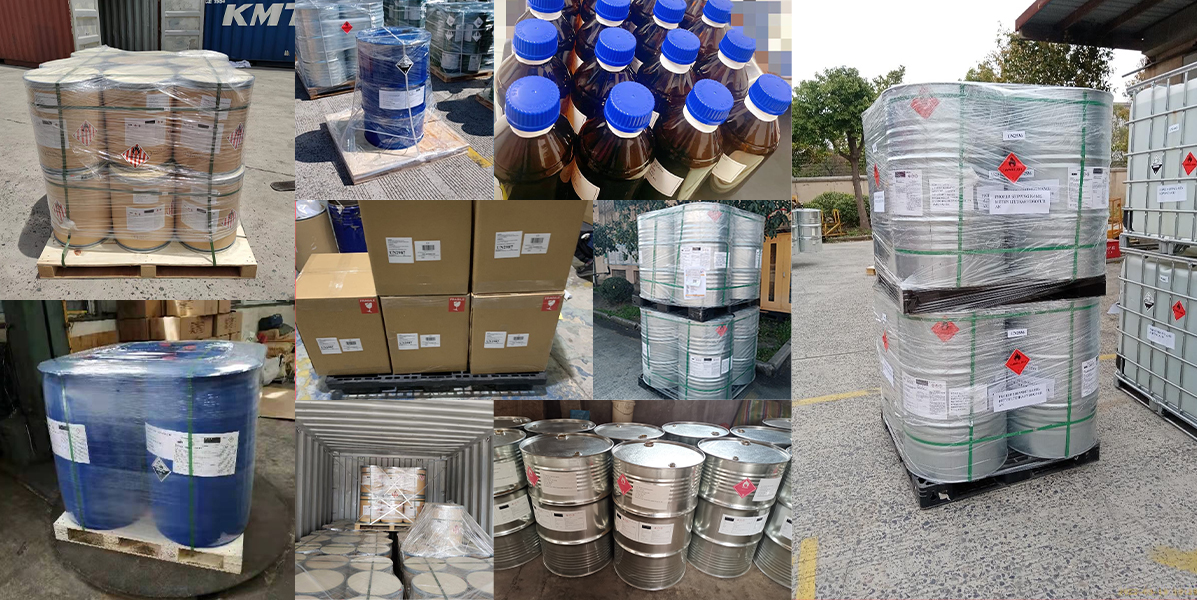
1. 20 years of R&D, manufacturing and sales experience, serving customers in 60 countries and regions around the world;
2. Own R&D laboratory, pilot platform and large-scale production workshop, which can meet the audit requirements of global customers;
3. We can satisfy customers' perfect transition from small scale lab requirements (gram level) to commercialization requirements (hundred tons level).
A: We don't have Minimum Order Quantity, exact quantity should be provided before quotation for us to calculate the exact cost.
A: We don't provide free samples due to lots of request and expensive international courier's cost, we can deduct the sample charge after commercial order placed.
A: Our payment terms: Small or sample order: T/T IN ADVANCE. Commercial order: First order should be by T/T IN ADVANCE or L/C at sight, and following orders T/T 30~90days is acceptable subject to approval of credit application.