
Custom Manufacturing, Project Outsourcing, your Trusted Partner from China
The innovation cycle in the display industry is incredibly fast-paced, with OLED technology consistently pushing the boundaries of visual performance. Central to this progress is the continuous development of novel organic materials that dictate the color, brightness, and efficiency of OLED panels. In this landscape, the strategic selection of chemical intermediates is paramount. 2-Bromo-9,9-dimethyl-10-phenyl-9,10-dihydroacridine (CAS: 1319720-64-3) has emerged as a significant player, particularly in the quest for superior deep blue emitters.
As a highly functionalized acridine derivative, this compound offers chemists a versatile platform for constructing complex organic molecules. The presence of the bromine atom provides a reactive site for cross-coupling reactions, a staple in the synthesis of advanced organic electronic materials. This allows for the facile attachment of various functional groups, enabling researchers to fine-tune the electronic properties, photoluminescence quantum yield, and charge transport characteristics of the resulting materials. When a scientist aims to buy this chemical, they are often looking to precisely engineer new OLED emitters or host materials.
The strategic advantage of using 2-Bromo-9,9-dimethyl-10-phenyl-9,10-dihydroacridine lies in its ability to facilitate the creation of materials capable of deep blue emission. Achieving stable and efficient deep blue OLEDs is notoriously challenging due to the high energy required, which can lead to material degradation. By utilizing intermediates like this, chemists can design molecules that are intrinsically more stable and efficient in this critical spectral region. Manufacturers of OLED materials who leverage such intermediates are better positioned to develop next-generation displays with improved color purity and longer operational lifetimes.
For companies seeking to gain a competitive edge, securing a reliable supply of high-quality 2-Bromo-9,9-dimethyl-10-phenyl-9,10-dihydroacridine is a strategic imperative. Working with established suppliers and manufacturers in China ensures access to consistent product quality and competitive pricing. Whether for laboratory-scale R&D or large-scale production, understanding the synthetic utility of this acridine intermediate allows for more targeted material design and accelerated innovation in the dynamic field of OLED technology. Inquire about purchasing this key component to enhance your material development efforts.
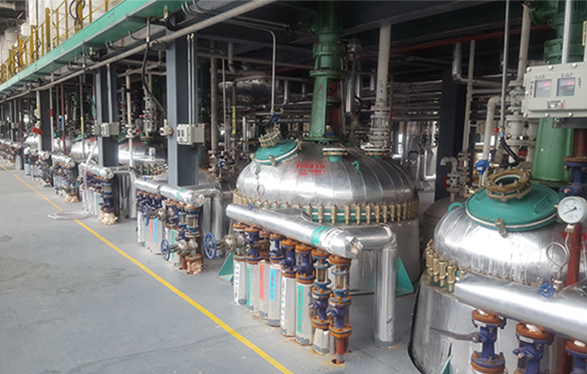
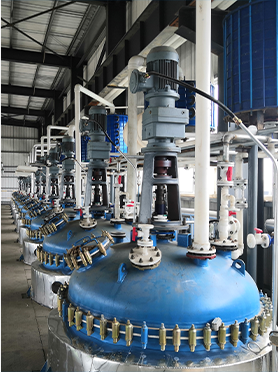
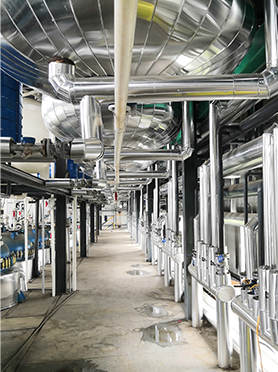
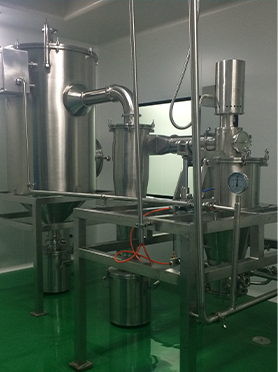
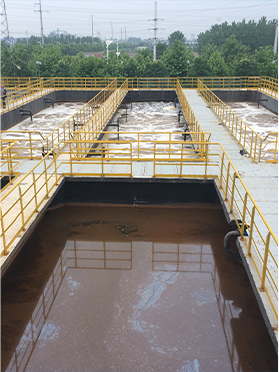
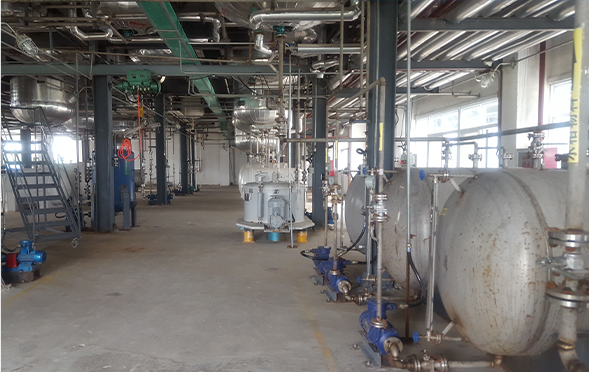
Manufacturing Facilities
Professional Export Experience
to Global Customers
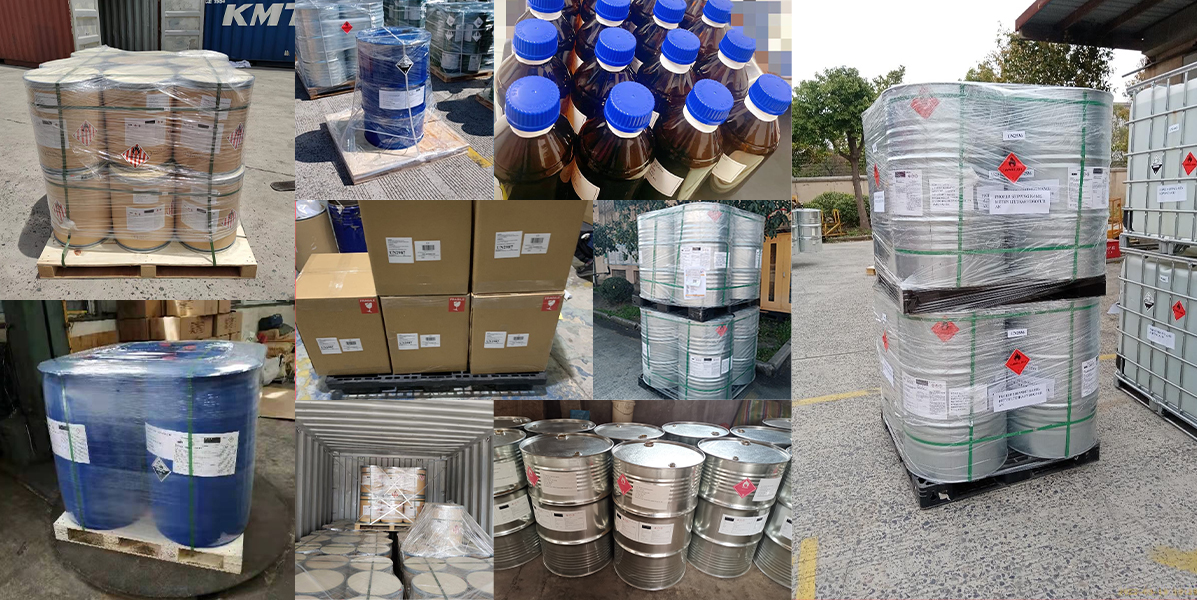
1. 20 years of R&D, manufacturing and sales experience, serving customers in 60 countries and regions around the world;
2. Own R&D laboratory, pilot platform and large-scale production workshop, which can meet the audit requirements of global customers;
3. We can satisfy customers' perfect transition from small scale lab requirements (gram level) to commercialization requirements (hundred tons level).
A: We don't have Minimum Order Quantity, exact quantity should be provided before quotation for us to calculate the exact cost.
A: We don't provide free samples due to lots of request and expensive international courier's cost, we can deduct the sample charge after commercial order placed.
A: Our payment terms: Small or sample order: T/T IN ADVANCE. Commercial order: First order should be by T/T IN ADVANCE or L/C at sight, and following orders T/T 30~90days is acceptable subject to approval of credit application.