
Custom Manufacturing, Project Outsourcing, your Trusted Partner from China
As a premier manufacturer and supplier of fine chemicals, understanding the synthesis of key intermediates like 2-Allyl-3-hydroxybenzaldehyde (CAS 79950-42-8) is paramount for delivering high-quality products. This versatile compound is crucial for various applications, particularly in the pharmaceutical and advanced materials sectors. This article delves into efficient synthesis pathways, optimization strategies, and the benefits of sourcing from a reliable China-based manufacturer.
The primary synthetic routes for 2-Allyl-3-hydroxybenzaldehyde involve the strategic manipulation of its functional groups: the aldehyde, the hydroxyl, and the allyl moiety. The most common and industrially relevant methods include variations of the Claisen rearrangement and electrophilic aromatic substitution.
The thermal Claisen rearrangement is a well-established method for synthesizing ortho-allyl phenols. The process typically begins with the O-allylation of a precursor, such as 3-hydroxybenzaldehyde, using an allyl halide (e.g., allyl bromide) in the presence of a base like potassium carbonate. This reaction forms the allyl aryl ether intermediate, 3-(allyloxy)benzaldehyde. Subsequent heating of this intermediate to temperatures around 200-250°C facilitates the rearrangement, migrating the allyl group to the ortho position of the phenolic hydroxyl group. This yields 2-Allyl-3-hydroxybenzaldehyde. Optimization involves carefully controlling temperature and reaction time to maximize yield and minimize unwanted side reactions, such as polymerization of the allyl group or over-rearrangement.
Direct electrophilic aromatic substitution offers a more direct pathway. This method involves activating the allyl halide with a Lewis acid catalyst (e.g., SnCl₂, AlCl₃) to generate a reactive electrophile. This electrophile then attacks the electron-rich aromatic ring of 3-hydroxybenzaldehyde, directly introducing the allyl group. While less documented than the Claisen route for this specific compound, analogous ortho-functionalization reactions of phenols using Lewis acids are common. Careful selection of the Lewis acid and reaction conditions (temperature, solvent) is crucial for regioselectivity and preventing undesired side reactions. This method can potentially reduce the number of synthesis steps.
To ensure efficient and cost-effective production, several optimization strategies can be employed:
As a dedicated supplier of 2-Allyl-3-hydroxybenzaldehyde, we leverage our extensive experience to offer:
For businesses looking to buy 2-Allyl-3-hydroxybenzaldehyde (CAS 79950-42-8) or seeking a reliable manufacturer and supplier in China, we are your trusted partner. Contact us today to request a quote and secure a high-quality supply of this essential chemical intermediate.
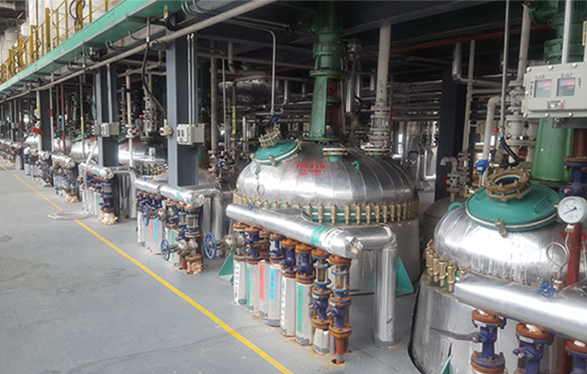
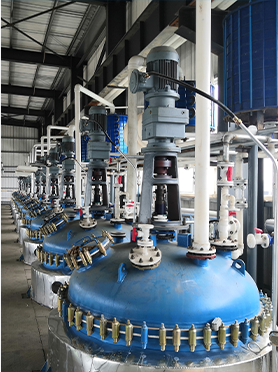
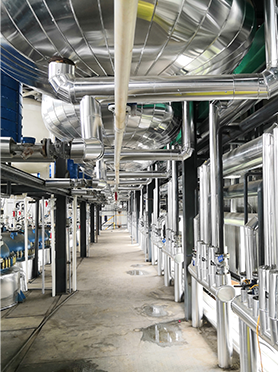
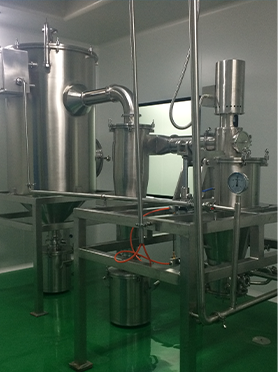
Manufacturing Facilities
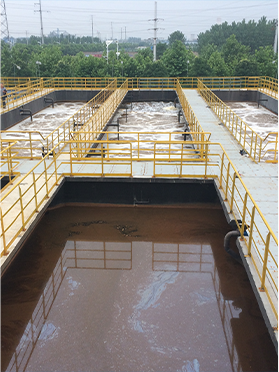
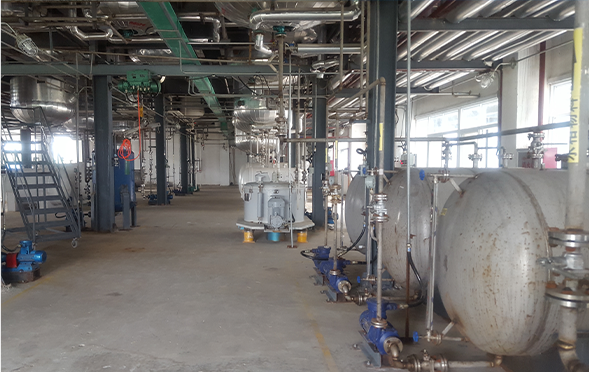
Professional Export Experience
to Global Customers
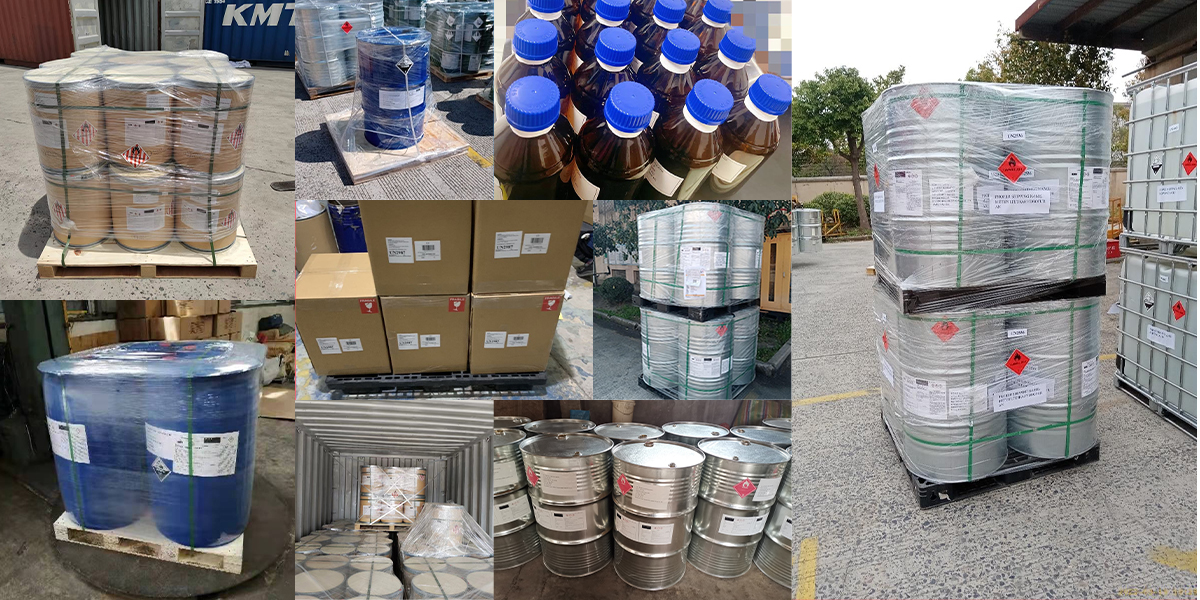
1. 20 years of R&D, manufacturing and sales experience, serving customers in 60 countries and regions around the world;
2. Own R&D laboratory, pilot platform and large-scale production workshop, which can meet the audit requirements of global customers;
3. We can satisfy customers' perfect transition from small scale lab requirements (gram level) to commercialization requirements (hundred tons level).
A: We don't have Minimum Order Quantity, exact quantity should be provided before quotation for us to calculate the exact cost.
A: We don't provide free samples due to lots of request and expensive international courier's cost, we can deduct the sample charge after commercial order placed.
A: Our payment terms: Small or sample order: T/T IN ADVANCE. Commercial order: First order should be by T/T IN ADVANCE or L/C at sight, and following orders T/T 30~90days is acceptable subject to approval of credit application.