
Custom Manufacturing, Project Outsourcing, your Trusted Partner from China
In the competitive landscape of textile manufacturing, achieving the desired fabric hand feel is paramount. Consumers and brands alike seek textiles that are not only aesthetically pleasing but also offer a luxurious, soft, and comfortable touch. Among the array of textile auxiliaries available, softener flakes have emerged as a critical component. Specifically, nonionic softener flakes are gaining prominence for their advanced properties and versatility. This article, brought to you by NINGBO INNO PHARMCHEM CO.,LTD., delves into why these advanced fatty compounds are a preferred choice for textile finishers seeking to optimize fabric softness and performance.
Understanding Nonionic Softener Flakes
Nonionic softener flakes are chemical compounds typically derived from fatty acids and polyhydric alcohols. Their defining characteristic is their nonionic nature, meaning they carry no electrical charge in an aqueous solution. This neutrality is key to many of their advantages. Unlike their cationic counterparts, nonionic softeners do not rely on electrostatic attraction to bind with fabric fibers. Instead, they function by lubricating the fibers, reducing friction between them, and thus imparting a smooth, soft, and often fluffy feel.
Key Advantages for Textile Manufacturers
As a leading supplier and manufacturer of textile chemicals, we at NINGBO INNO PHARMCHEM CO.,LTD. understand the importance of providing products that offer tangible benefits. Our Nonionic Softener Flakes offer several distinct advantages:
Applications and Usage Guidance
Nonionic softener flakes are widely used in the finishing stages of textile production. They can be applied through several methods, including dipping and padding. For optimal results, proper dissolution is crucial. Typically, the flakes are dispersed in water at a specific concentration (e.g., 5-10%), and then heated to around 70-75°C with continuous stirring until a uniform paste is formed. This process ensures the active ingredient is fully solubilized and ready for application.
The recommended dosage varies depending on the application method and the desired effect. For padding, a 10% solution might be used at dosages of 20-30 g/L. For dipping processes, dosages usually range from 3-8% (o.w.f.) with a liquor ratio of 1:10 to 1:15.
Why Choose NINGBO INNO PHARMCHEM CO.,LTD. as Your Supplier?
As a dedicated manufacturer and supplier in China, NINGBO INNO PHARMCHEM CO.,LTD. is committed to providing textile manufacturers with high-quality, reliable, and cost-effective solutions. We understand the challenges faced by the industry, from meeting demanding quality standards to optimizing production costs. By choosing us, you gain access to premium nonionic softener flakes that are backed by our technical expertise and commitment to customer satisfaction. We invite you to inquire about our product range, pricing, and to request samples to experience the difference our chemicals can make. When you buy nonionic softener flakes from us, you are investing in superior fabric quality and a competitive edge in the market.
Manufacturing Facilities
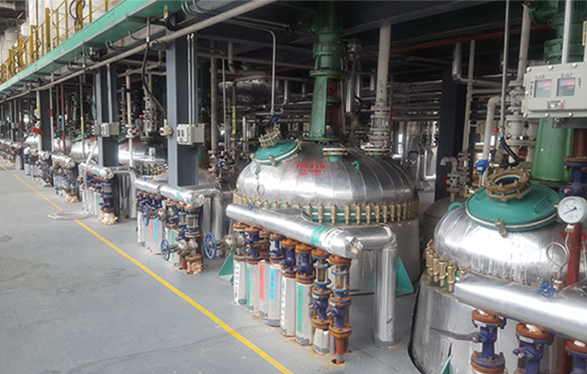
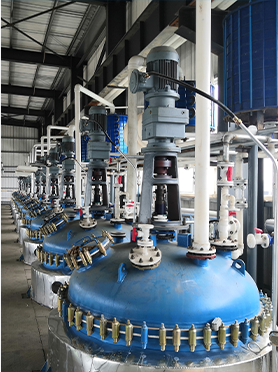
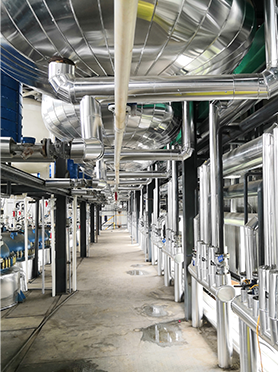
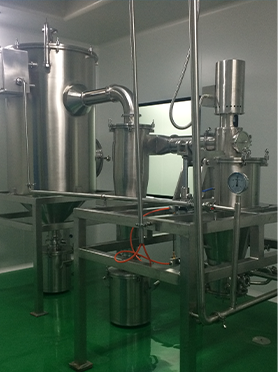
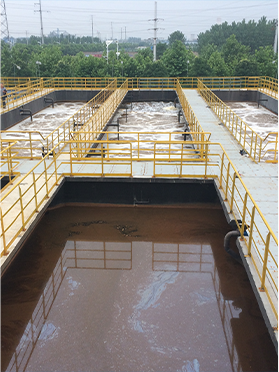
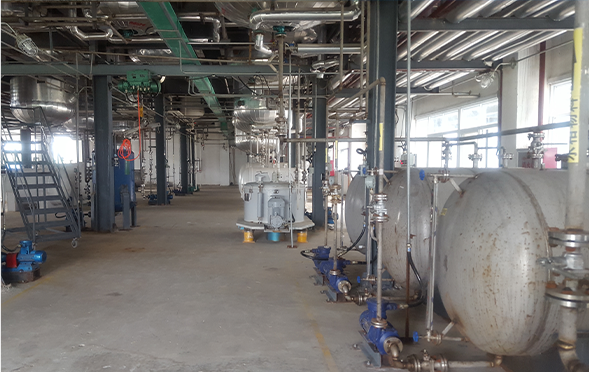
Professional Export Experience
to Global Customers
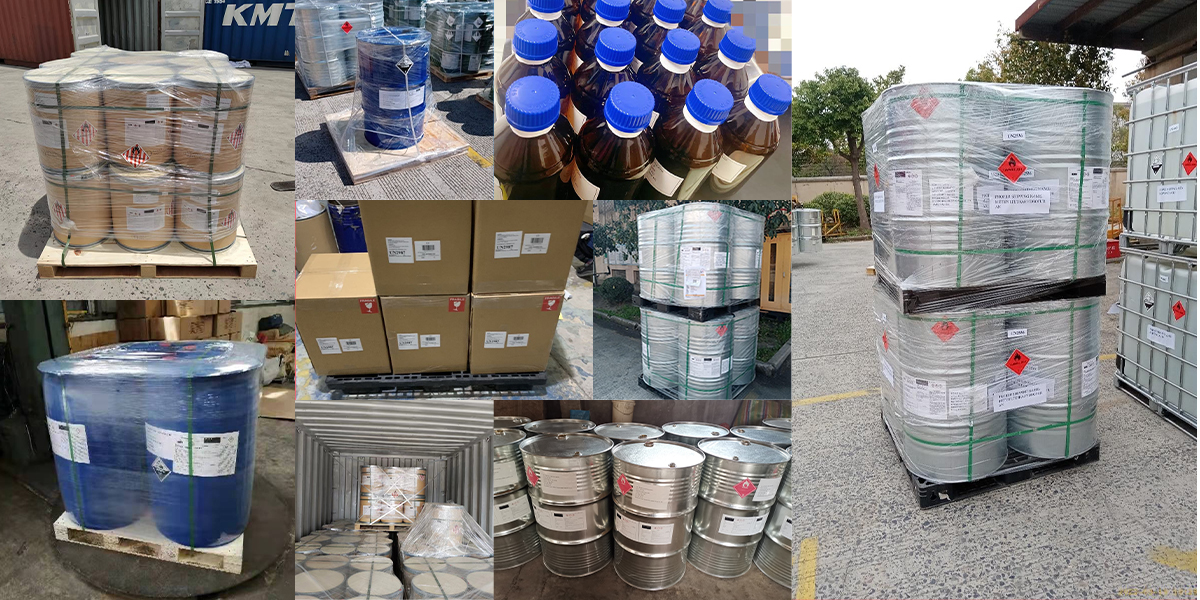
1. 20 years of R&D, manufacturing and sales experience, serving customers in 60 countries and regions around the world;
2. Own R&D laboratory, pilot platform and large-scale production workshop, which can meet the audit requirements of global customers;
3. We can satisfy customers' perfect transition from small scale lab requirements (gram level) to commercialization requirements (hundred tons level).
A: We don't have Minimum Order Quantity, exact quantity should be provided before quotation for us to calculate the exact cost.
A: We don't provide free samples due to lots of request and expensive international courier's cost, we can deduct the sample charge after commercial order placed.
A: Our payment terms: Small or sample order: T/T IN ADVANCE. Commercial order: First order should be by T/T IN ADVANCE or L/C at sight, and following orders T/T 30~90days is acceptable subject to approval of credit application.