
Custom Manufacturing, Project Outsourcing, your Trusted Partner from China
In the competitive landscape of chemical product development, optimizing formulation performance is a continuous endeavor. 4-Hydroxybutyl Acrylate (4-HBA), a versatile bifunctional monomer, offers formulators a powerful tool to achieve enhanced properties in a wide range of applications, from coatings and adhesives to specialty polymers. For R&D scientists and product formulators, understanding how to strategically incorporate 4-HBA can unlock new levels of performance and market advantage. When considering to buy specialty chemical ingredients, focusing on how they solve specific formulation challenges is key.
The unique dual functionality of 4-HBA—comprising a reactive acrylate group and a hydroxyl group—provides distinct opportunities for formulation chemists. The acrylate group is ideal for free-radical polymerization, enabling rapid curing in systems like UV coatings and adhesives. The hydroxyl group, on the other hand, offers a site for further chemical modification, cross-linking, or enhancing hydrophilicity and adhesion. This dual nature allows formulators to tailor material properties precisely.
Here’s a practical guide to optimizing formulations using 4-HBA:
1. Enhancing Flexibility and Toughness:
The longer, flexible butyl chain in 4-HBA contributes significantly to the elasticity of the resulting polymer. When incorporated into coatings or adhesives, it can reduce brittleness and improve impact resistance. This is particularly beneficial for applications involving substrates that are prone to flexing or thermal expansion and contraction.
2. Improving Adhesion and Surface Properties:
The polar hydroxyl group in 4-HBA can enhance adhesion to various substrates, including metals, plastics, and glass, through hydrogen bonding and other polar interactions. This is critical for durable coatings and high-strength adhesives.
3. Facilitating Cross-linking and Network Formation:
The hydroxyl group provides a reactive site for secondary cross-linking reactions. This can be achieved through reactions with isocyanates (in urethane acrylate systems), epoxies, or melamine resins. This secondary cross-linking creates a denser, more robust polymer network, leading to improved chemical resistance, hardness, and thermal stability.
4. Enabling Waterborne Formulations:
The inherent solubility of 4-HBA in water, due to its hydroxyl group, makes it a valuable component for developing water-based UV-curable systems. This allows for reduced VOC emissions and aligns with environmental regulations.
When sourcing 4-Hydroxybutyl Acrylate for these applications, engaging with a reliable manufacturer and supplier is paramount. A supplier who can offer consistent product quality, detailed technical specifications, and application support can significantly streamline the formulation process. Understanding the price of 4-hydroxybutyl acrylate in relation to the performance benefits it brings will guide procurement decisions. By strategically utilizing 4-HBA, formulators can develop products with superior durability, flexibility, and adhesion, meeting the ever-increasing demands of the market.
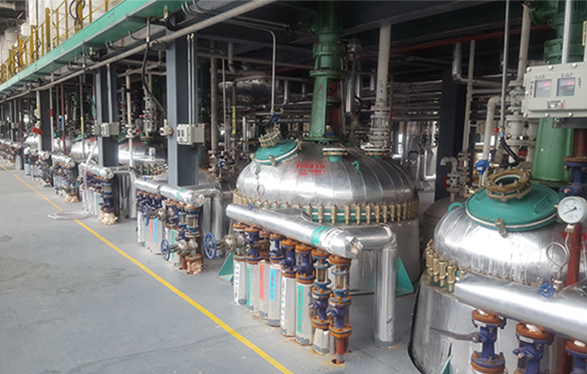
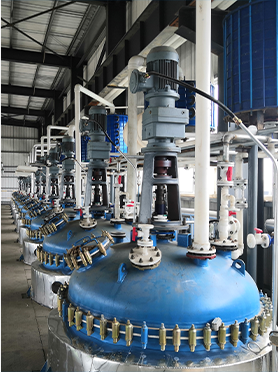
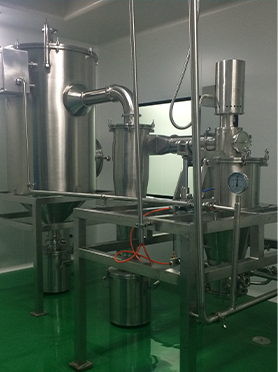
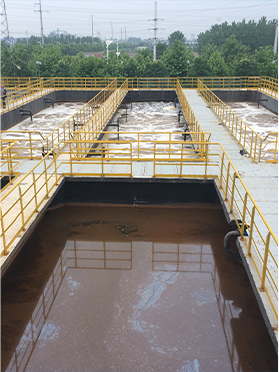
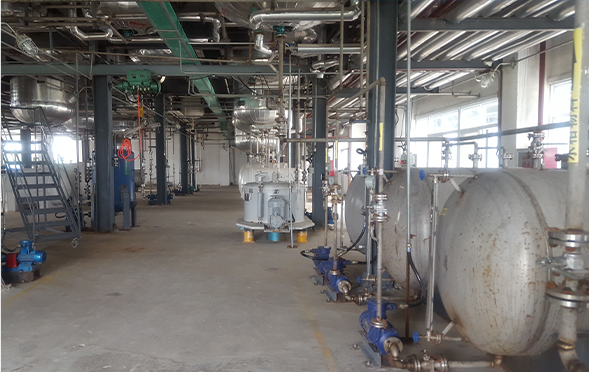
Manufacturing Facilities
Professional Export Experience
to Global Customers
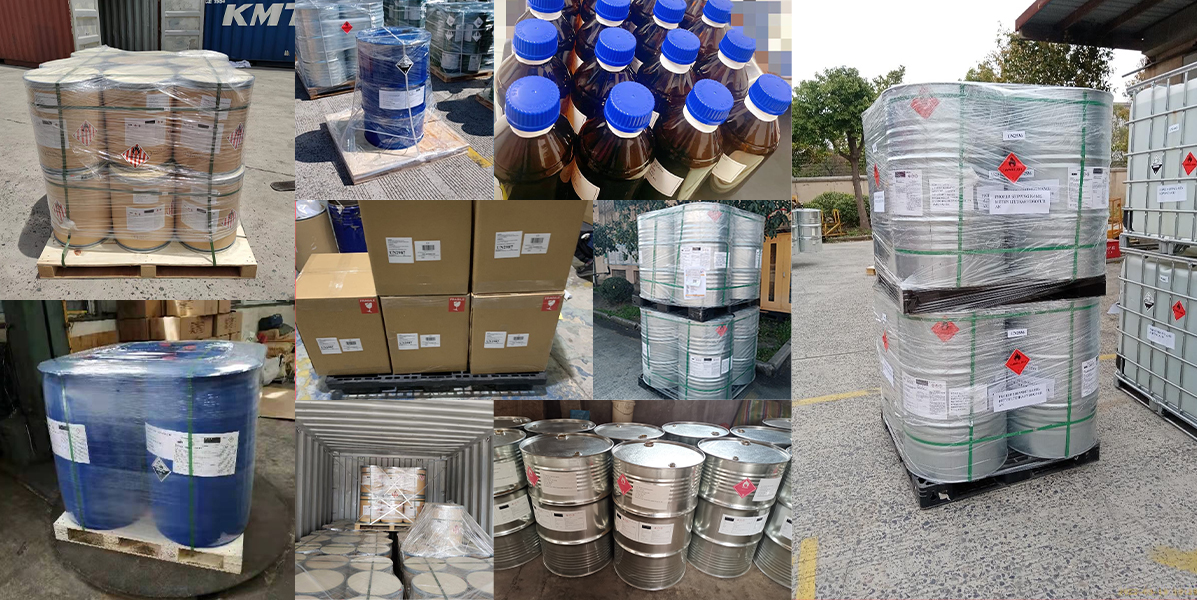
1. 20 years of R&D, manufacturing and sales experience, serving customers in 60 countries and regions around the world;
2. Own R&D laboratory, pilot platform and large-scale production workshop, which can meet the audit requirements of global customers;
3. We can satisfy customers' perfect transition from small scale lab requirements (gram level) to commercialization requirements (hundred tons level).
A: We don't have Minimum Order Quantity, exact quantity should be provided before quotation for us to calculate the exact cost.
A: We don't provide free samples due to lots of request and expensive international courier's cost, we can deduct the sample charge after commercial order placed.
A: Our payment terms: Small or sample order: T/T IN ADVANCE. Commercial order: First order should be by T/T IN ADVANCE or L/C at sight, and following orders T/T 30~90days is acceptable subject to approval of credit application.