
Custom Manufacturing, Project Outsourcing, your Trusted Partner from China
The pursuit of brighter, more efficient, and longer-lasting Organic Light-Emitting Diode (OLED) displays is a constant driving force in the electronics industry. This advancement is deeply intertwined with the development of novel organic semiconductor materials, which form the core of OLED devices. Among the critical chemical intermediates enabling this innovation are specialized boronic acids, particularly those incorporating aromatic systems like naphthalene. These compounds are instrumental in constructing the complex molecular architectures that dictate OLED performance.
Naphthalene Units in OLED Materials: Why They Matter
The naphthalene moiety, a fused bicyclic aromatic hydrocarbon, offers unique electronic and structural properties that are highly beneficial in OLED material design. Incorporating naphthalene units into organic semiconductors can influence several key aspects:
4-(1-Naphthyl)phenylboronic Acid: A Key Enabler
4-(1-Naphthyl)phenylboronic Acid (CAS: 870774-25-7) exemplifies the utility of naphthalene-based boronic acids in OLED material synthesis. As a versatile intermediate, it allows synthetic chemists to strategically introduce the 1-naphthylphenyl structure into larger conjugated systems through efficient cross-coupling reactions. When procured from a reputable manufacturer, this compound typically possesses high purity (e.g., >97% as a white powder), which is essential for achieving optimal performance in sensitive OLED applications. The precise control over molecular structure enabled by such intermediates is what allows material scientists to engineer OLEDs with specific colors, brightness levels, and energy efficiencies.
Procurement for Advanced Materials R&D
For companies involved in OLED research and development, or the production of related electronic chemicals, sourcing high-quality intermediates like 4-(1-Naphthyl)phenylboronic Acid is a critical business function. Procurement managers must identify reliable suppliers and manufacturers, preferably those with demonstrated expertise in producing these specialized compounds. Key considerations when looking to buy include:
By strategically sourcing these advanced building blocks, researchers and manufacturers can continue to push the boundaries of OLED technology, delivering next-generation displays with enhanced capabilities and wider adoption across various electronic devices.
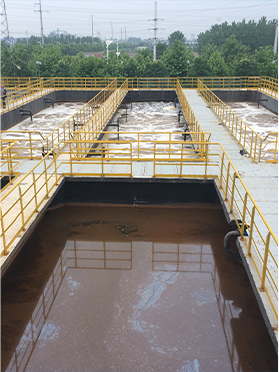
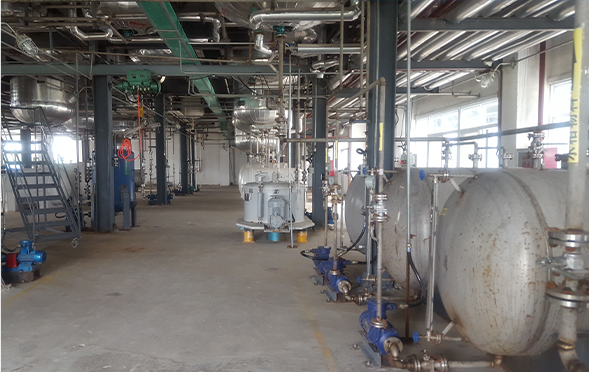
Manufacturing Facilities
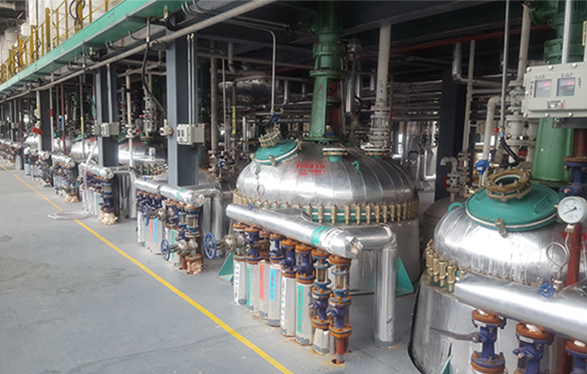
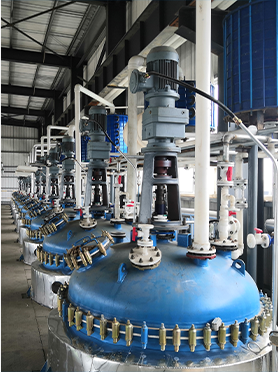
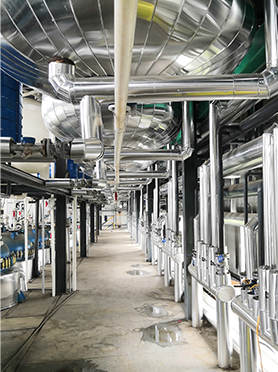
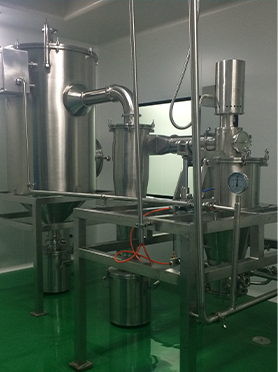
Professional Export Experience
to Global Customers
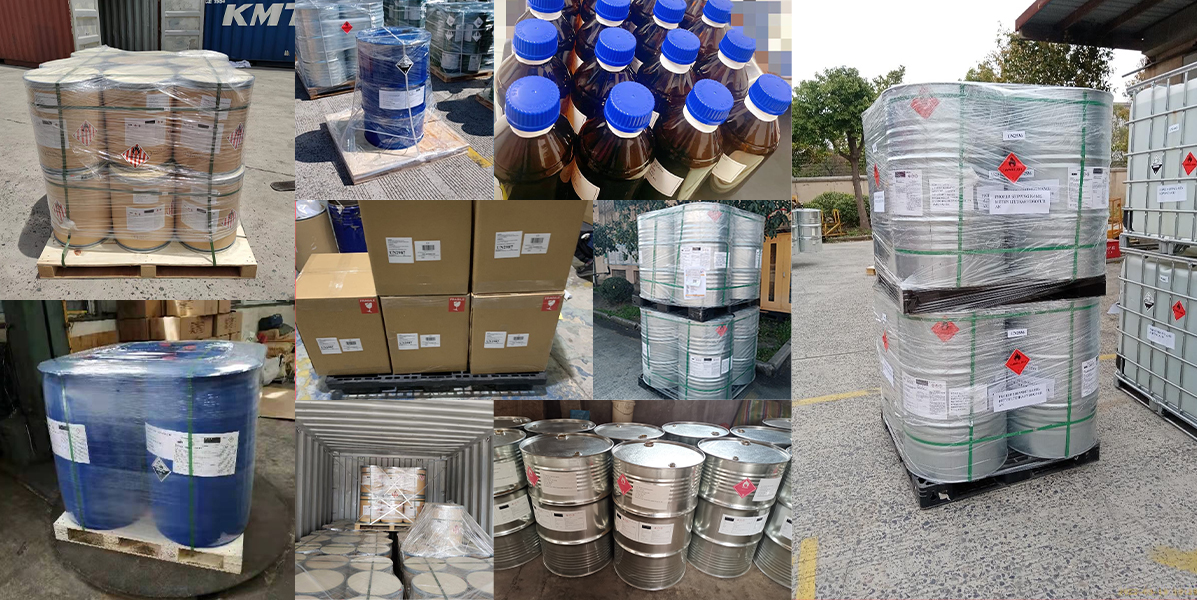
1. 20 years of R&D, manufacturing and sales experience, serving customers in 60 countries and regions around the world;
2. Own R&D laboratory, pilot platform and large-scale production workshop, which can meet the audit requirements of global customers;
3. We can satisfy customers' perfect transition from small scale lab requirements (gram level) to commercialization requirements (hundred tons level).
A: We don't have Minimum Order Quantity, exact quantity should be provided before quotation for us to calculate the exact cost.
A: We don't provide free samples due to lots of request and expensive international courier's cost, we can deduct the sample charge after commercial order placed.
A: Our payment terms: Small or sample order: T/T IN ADVANCE. Commercial order: First order should be by T/T IN ADVANCE or L/C at sight, and following orders T/T 30~90days is acceptable subject to approval of credit application.