
Custom Manufacturing, Project Outsourcing, your Trusted Partner from China
The papermaking industry is constantly seeking ways to improve product quality, optimize production efficiency, and minimize environmental impact. One chemical that has proven instrumental in achieving these goals is anionic polyacrylamide (APAM), primarily utilized as a retention aid. This article explores the mechanism by which APAM enhances papermaking and the benefits it offers to manufacturers.
Understanding Anionic Polyacrylamide (APAM) in Papermaking
Anionic polyacrylamide is a water-soluble polymer characterized by its negative charge. In the papermaking process, the pulp slurry contains various components, including cellulose fibers, fillers (like clay or calcium carbonate), and sizing agents. Many of these components, particularly fillers and fines, are negatively charged. APAM's anionic nature allows it to effectively bridge these negatively charged particles and fibers. This bridging action creates larger, more cohesive flocs that are retained more effectively on the papermaker's felt or wire screen. As a result, fewer fine particles and fillers are lost in the white water, leading to improved retention.
Benefits of APAM as a Retention Aid
The implementation of APAM as a retention aid offers several significant advantages to the papermaking process:
Mechanism of Action
The effectiveness of APAM as a retention aid lies in its dual mechanism of flocculation: charge neutralization and bridging. Firstly, the anionic charge of the polymer can neutralize some of the negative charges on the suspended particles, reducing electrostatic repulsion and allowing particles to approach each other. Secondly, and more importantly, the long polymer chains of APAM can physically bridge between multiple particles. These long, flexible chains adsorb onto several particles simultaneously, effectively linking them together to form larger flocs. This bridging mechanism is particularly effective for high molecular weight APAM, which possesses more potential sites for adsorption and a greater capacity to span between particles.
Considerations for Effective Use
To maximize the benefits of APAM, proper dosage and application are crucial. The optimal dosage will vary depending on the specific furnish composition, machine conditions, and desired paper properties. Jar testing is often employed to determine the most effective type and dosage of APAM. Furthermore, the method of addition and mixing intensity must be carefully controlled to ensure uniform distribution and prevent premature or excessive flocculation, which could negatively impact drainage and paper formation.
In conclusion, anionic polyacrylamide serves as a critical additive in modern papermaking, enhancing retention, improving drainage, and ultimately contributing to higher quality paper production and more sustainable operations. Its ability to effectively manage fine particles and fillers makes it an indispensable tool for papermakers worldwide.
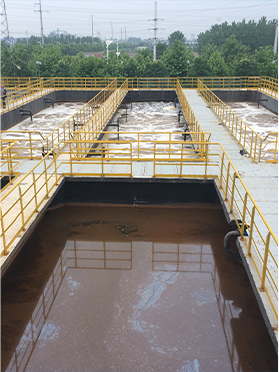
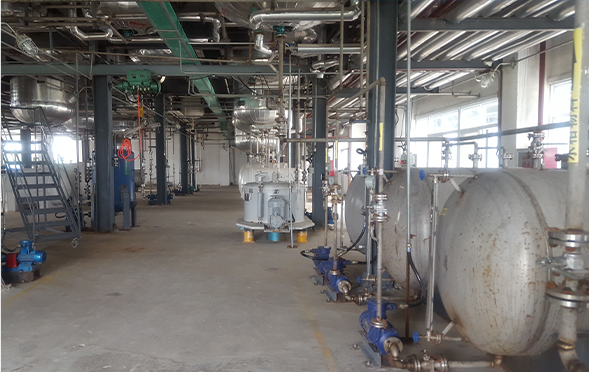
Manufacturing Facilities
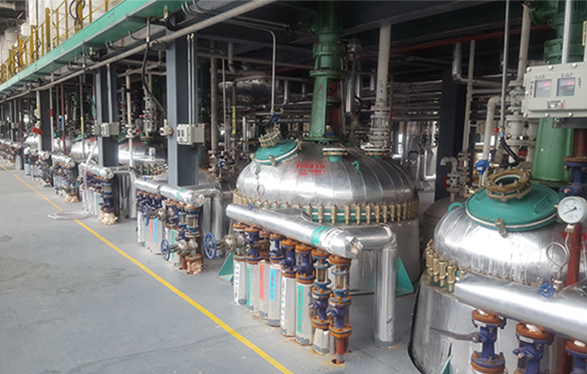
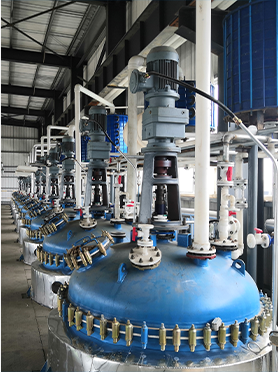
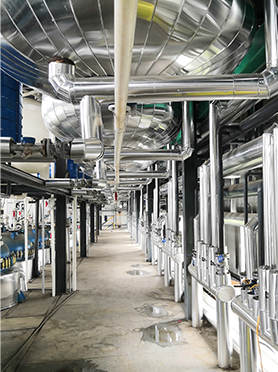
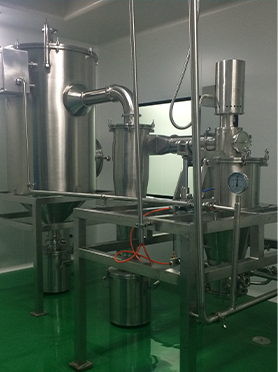
Professional Export Experience
to Global Customers
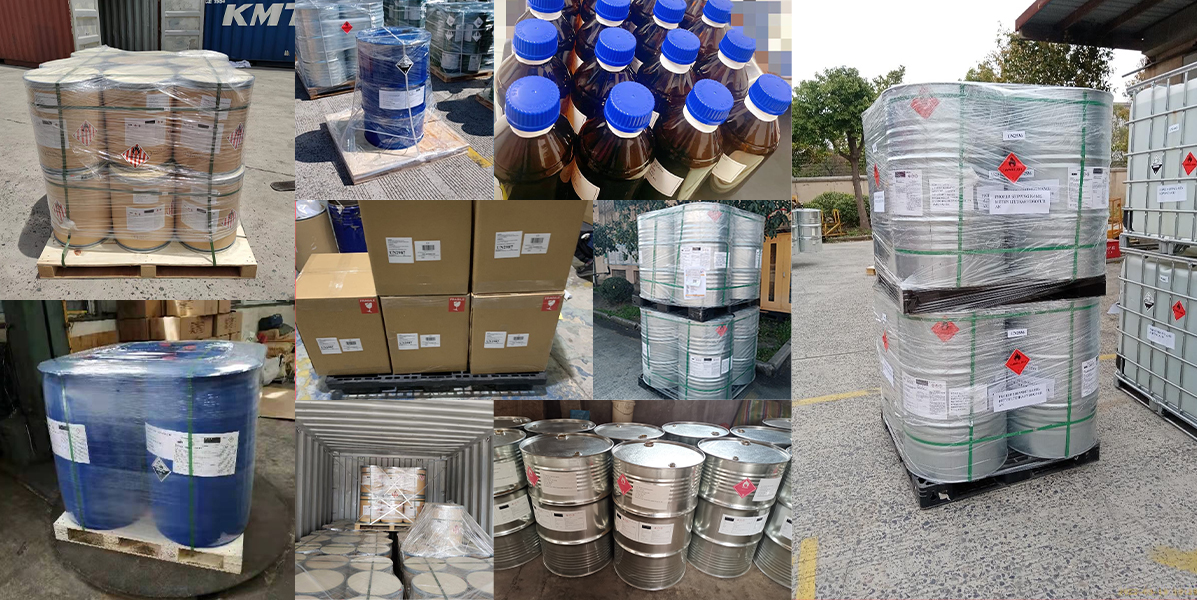
1. 20 years of R&D, manufacturing and sales experience, serving customers in 60 countries and regions around the world;
2. Own R&D laboratory, pilot platform and large-scale production workshop, which can meet the audit requirements of global customers;
3. We can satisfy customers' perfect transition from small scale lab requirements (gram level) to commercialization requirements (hundred tons level).
A: We don't have Minimum Order Quantity, exact quantity should be provided before quotation for us to calculate the exact cost.
A: We don't provide free samples due to lots of request and expensive international courier's cost, we can deduct the sample charge after commercial order placed.
A: Our payment terms: Small or sample order: T/T IN ADVANCE. Commercial order: First order should be by T/T IN ADVANCE or L/C at sight, and following orders T/T 30~90days is acceptable subject to approval of credit application.