
Custom Manufacturing, Project Outsourcing, your Trusted Partner from China
For procurement managers in the pharmaceutical sector, securing high-quality raw materials and intermediates at a competitive price is a constant challenge. The cost of intermediates directly impacts the overall manufacturing cost of Active Pharmaceutical Ingredients (APIs) and, ultimately, the affordability of life-saving medications. This guide focuses on strategies for optimizing the procurement of high-purity chemical intermediates, such as 2-Ethylbutyln-L-Alaninate Phenoxyphosphoryl Intermediate (CAS 1809249-37-3), to achieve the best possible value.
The pharmaceutical industry's demand for specialized chemical building blocks is immense. When you need to buy compounds like CAS 1809249-37-3, understanding the factors that influence their pricing is the first step towards effective negotiation. These factors include the complexity of the synthesis, the required purity level, the scale of production, raw material costs, and the supplier's overheads and profit margins.
Understanding the Pricing Structure of Intermediates
The price of a pharmaceutical intermediate is not arbitrary. For a complex molecule like 2-Ethylbutyln-L-Alaninate Phenoxyphosphoryl Intermediate, the synthesis route itself can involve multiple intricate steps, each requiring specific reagents, catalysts, and controlled conditions. The higher the number of synthesis steps and the more specialized the chemistry involved, the higher the intrinsic cost of production. Furthermore, achieving pharmaceutical-grade purity (e.g., >99%) often necessitates additional purification steps, analytical testing, and stringent quality control measures, all of which add to the final cost.
The Role of Manufacturers and Suppliers in Pricing
Directly engaging with a manufacturer often provides the most cost-effective route. Manufacturers have control over the entire production process, allowing them to optimize yields and minimize waste, which translates into better pricing for their customers. When you seek to buy in bulk, negotiating directly with a manufacturer based in a cost-competitive region, such as China, can yield significant savings. A manufacturer advertising a production capacity of 1000kg/Month for a specific intermediate suggests they are geared for large-scale, potentially more cost-efficient production.
Suppliers, who may or may not be the direct manufacturers, also play a role in pricing. They add their margin for services like warehousing, logistics, customer support, and breaking bulk orders into smaller quantities. However, working with a reliable supplier can still be advantageous, especially for R&D quantities or when dealing with international logistics complexities.
Strategies for Obtaining the Best Price and Quote
The Value Proposition Beyond Price
While achieving the lowest possible price is a key objective, it's crucial to remember the broader value proposition. A slightly higher price for a product from a proven manufacturer with robust quality control and reliable delivery might prevent far greater costs associated with production delays, failed batches, or regulatory non-compliance. Therefore, always balance cost considerations with the supplier's reputation, quality assurance practices, and supply chain reliability. When you buy, ensure you are buying value, not just a low price.
In conclusion, optimizing the procurement of high-purity pharmaceutical intermediates requires a strategic approach to pricing and negotiation. By thoroughly understanding pricing factors, leveraging competitive quoting processes, and prioritizing suppliers who offer a strong combination of quality, reliability, and cost-effectiveness, procurement professionals can ensure their companies secure the essential chemical building blocks needed for successful drug development and manufacturing. Engage with expert suppliers and manufacturers to secure the best value for your critical chemical needs.
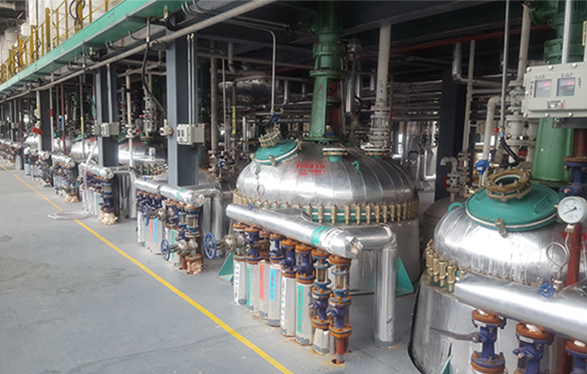
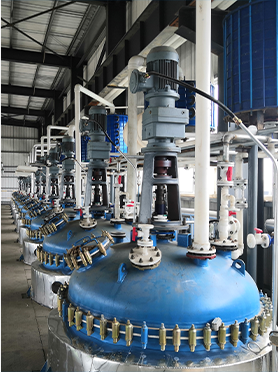
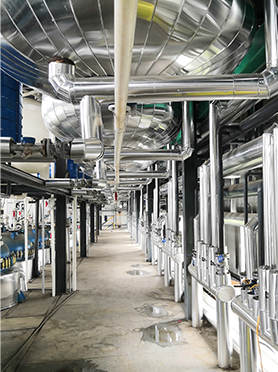
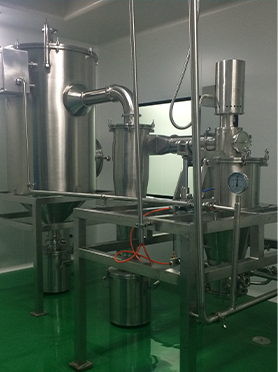
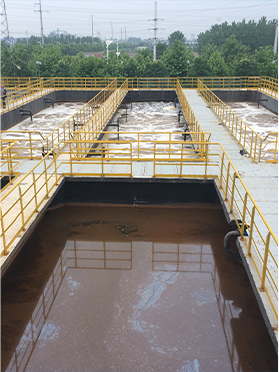
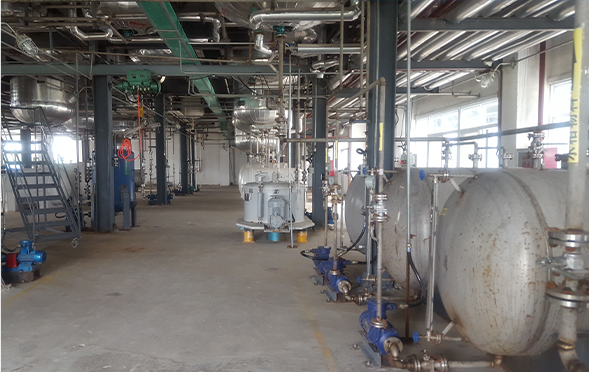
Manufacturing Facilities
Professional Export Experience
to Global Customers
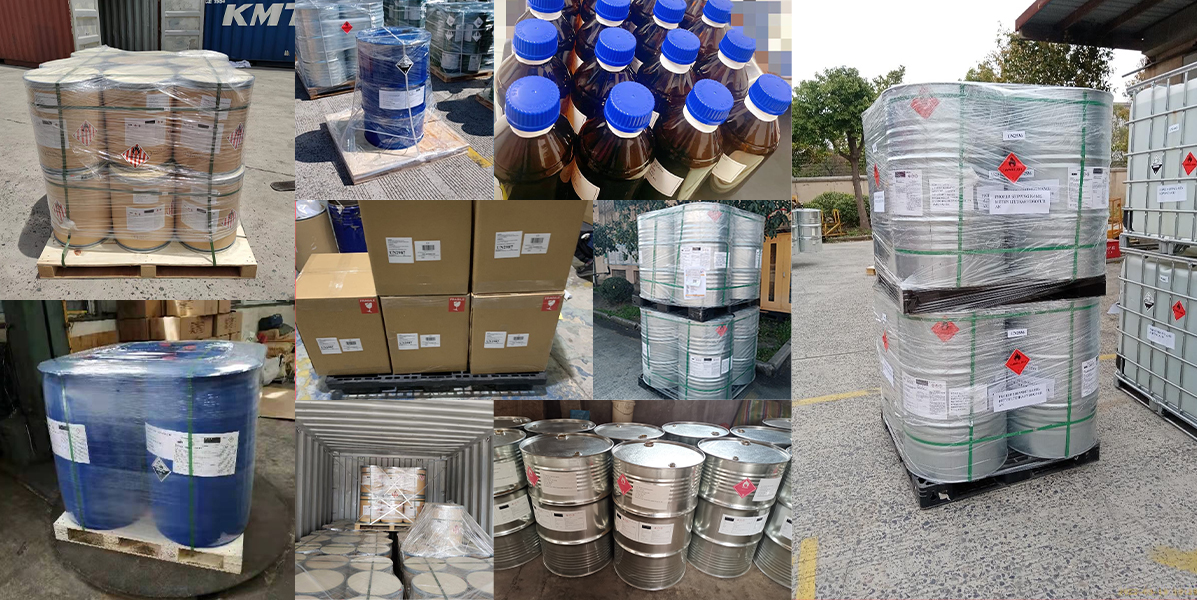
1. 20 years of R&D, manufacturing and sales experience, serving customers in 60 countries and regions around the world;
2. Own R&D laboratory, pilot platform and large-scale production workshop, which can meet the audit requirements of global customers;
3. We can satisfy customers' perfect transition from small scale lab requirements (gram level) to commercialization requirements (hundred tons level).
A: We don't have Minimum Order Quantity, exact quantity should be provided before quotation for us to calculate the exact cost.
A: We don't provide free samples due to lots of request and expensive international courier's cost, we can deduct the sample charge after commercial order placed.
A: Our payment terms: Small or sample order: T/T IN ADVANCE. Commercial order: First order should be by T/T IN ADVANCE or L/C at sight, and following orders T/T 30~90days is acceptable subject to approval of credit application.