
Custom Manufacturing, Project Outsourcing, your Trusted Partner from China
In the dynamic world of polymers, achieving optimal performance often hinges on the effective integration of various components, particularly fillers and reinforcing agents. Silane coupling agents, such as 3-chloropropyltrimethoxysilane, play a pivotal role in this process, acting as crucial intermediaries that enhance the compatibility and interaction between polymers and fillers. This leads to significant improvements in the mechanical and physical properties of the final rubber and plastic products.
The challenge in rubber and plastic compounding often lies in the inherent incompatibility between the non-polar polymer matrix and polar reinforcing fillers like silica or carbon black. This incompatibility can lead to poor dispersion of fillers, weak filler-polymer interactions, and consequently, suboptimal material performance. This is where the unique capabilities of 3-chloropropyltrimethoxysilane (CAS 2530-87-2) come into play.
As a highly effective organosilane for rubber and plastics, this compound acts as a molecular bridge. Its methoxy groups readily hydrolyze to form silanol groups that can bond with the hydroxyl groups present on the surface of inorganic fillers. The chloropropyl group then interacts with the polymer matrix, often through co-vulcanization or other chemical means. This creates a strong, chemically bonded interface between the filler and the polymer, overcoming the physical separation that would otherwise limit performance.
The benefits of incorporating silane coupling agents in rubber formulations are substantial. They lead to:
In the context of plastics, silane coupling agents are vital for filled polymer systems, such as those reinforced with glass fibers, minerals, or clays. They promote better adhesion between the polymer matrix and these reinforcements, leading to composites with higher strength-to-weight ratios, improved impact resistance, and enhanced dimensional stability. This application highlights their importance as adhesion promoters in composite materials.
Furthermore, 3-chloropropyltrimethoxysilane's role as an intermediate for the synthesis of other functional organosilanes allows for the development of specialized additives tailored to specific polymer types and filler systems. This adaptability makes it a cornerstone in the continuous innovation within the polymer industry.
By understanding and utilizing the power of silane coupling agents, manufacturers can unlock new levels of performance in their rubber and plastic products, meeting the ever-increasing demands for durability, efficiency, and advanced functionality.
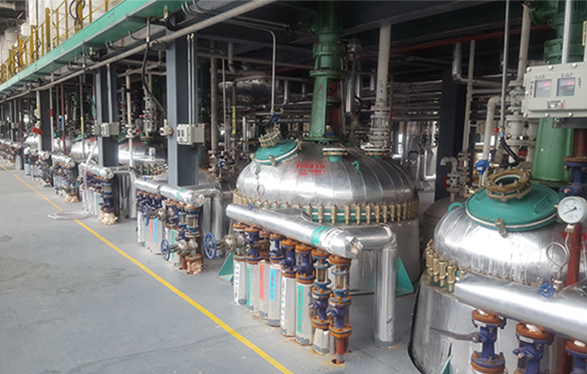
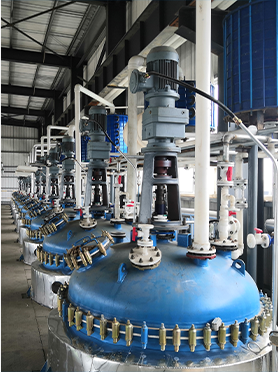
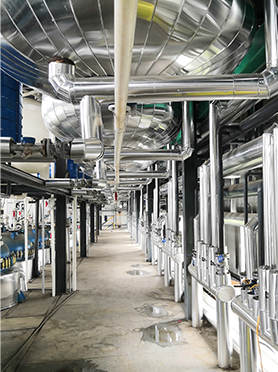
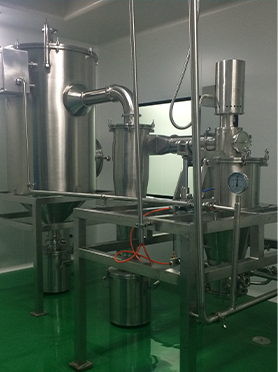
Manufacturing Facilities
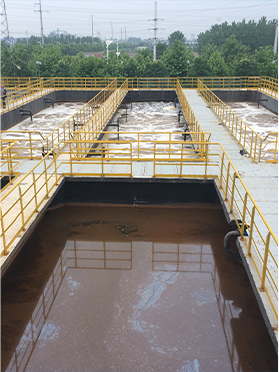
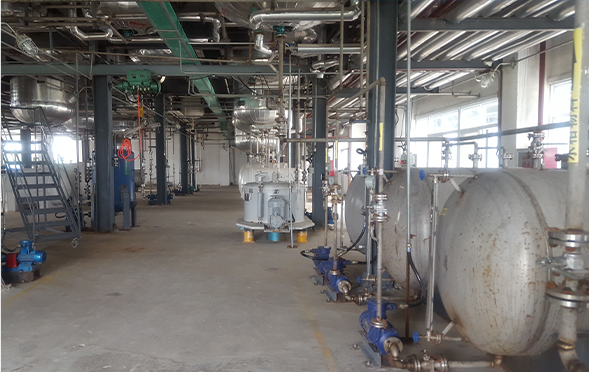
Professional Export Experience
to Global Customers
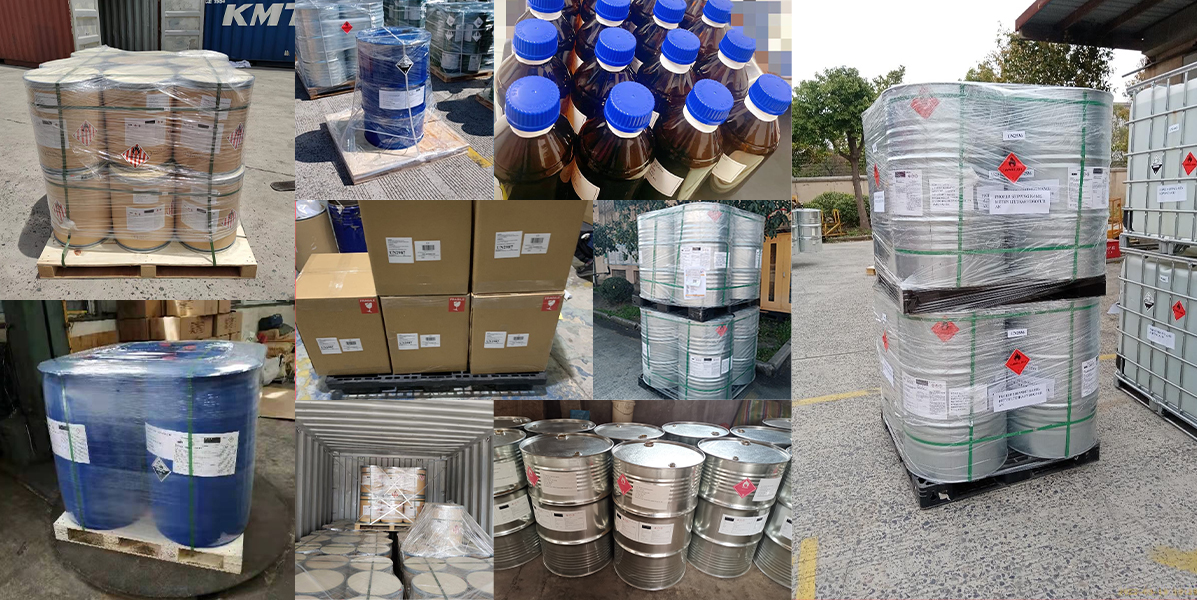
1. 20 years of R&D, manufacturing and sales experience, serving customers in 60 countries and regions around the world;
2. Own R&D laboratory, pilot platform and large-scale production workshop, which can meet the audit requirements of global customers;
3. We can satisfy customers' perfect transition from small scale lab requirements (gram level) to commercialization requirements (hundred tons level).
A: We don't have Minimum Order Quantity, exact quantity should be provided before quotation for us to calculate the exact cost.
A: We don't provide free samples due to lots of request and expensive international courier's cost, we can deduct the sample charge after commercial order placed.
A: Our payment terms: Small or sample order: T/T IN ADVANCE. Commercial order: First order should be by T/T IN ADVANCE or L/C at sight, and following orders T/T 30~90days is acceptable subject to approval of credit application.