
Custom Manufacturing, Project Outsourcing, your Trusted Partner from China
Sludge dewatering is a critical, yet often challenging, aspect of industrial wastewater treatment. Reducing the water content in sludge not only minimizes disposal volumes and costs but also enhances the handling and further processing of solid waste. Polyacrylamide (PAM) has emerged as a highly effective solution for optimizing this process, acting as a powerful flocculant and conditioner. As a dedicated supplier of industrial chemicals, we highlight how PAM can revolutionize your sludge management.
Understanding the Challenge of Sludge Dewatering
Sludge, a byproduct of various water treatment and industrial processes, typically contains a high percentage of water, making it voluminous, difficult to transport, and expensive to dispose of. Traditional dewatering methods often struggle with fine particles that retain significant amounts of water, leading to low solids capture and inefficient water removal. This is where Polyacrylamide plays a pivotal role.
How Polyacrylamide Enhances Sludge Dewatering
Polyacrylamide, in its various forms (anionic, cationic, and amphoteric), functions by aggregating fine sludge particles into larger, more manageable flocs. This process, known as flocculation, is essential for effective dewatering:
Choosing the Right Polyacrylamide for Dewatering
The effectiveness of PAM in sludge dewatering is highly dependent on selecting the correct type and molecular weight:
As a leading China-based manufacturer, we offer a comprehensive range of PAM products, including specialized CPAM grades optimized for various sludge types. Our technical team can assist you in selecting the most efficient product to achieve the lowest cake moisture content and highest solids capture rate.
Benefits of Using Our Polyacrylamide:
Optimizing sludge dewatering is a key step towards more efficient and sustainable industrial operations. By leveraging the advanced properties of Polyacrylamide, you can achieve significant improvements in your waste management processes.
Contact us today to explore our range of Polyacrylamide solutions for sludge dewatering and to request a consultation and quote.
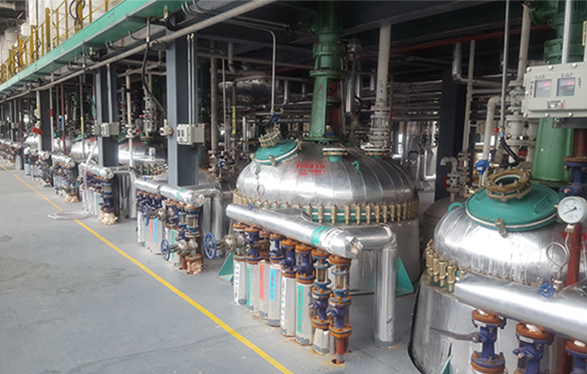
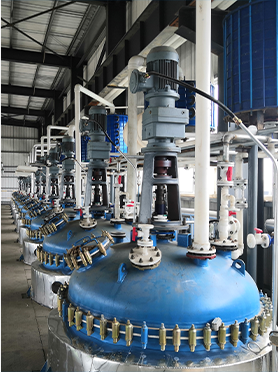
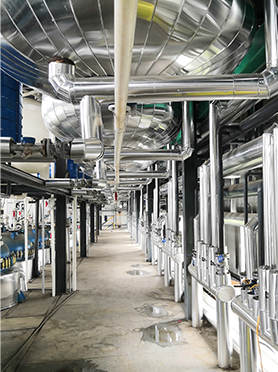
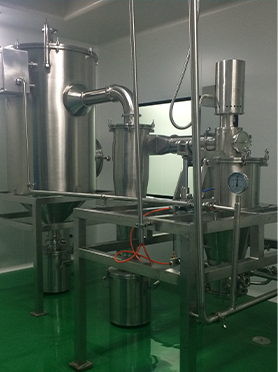
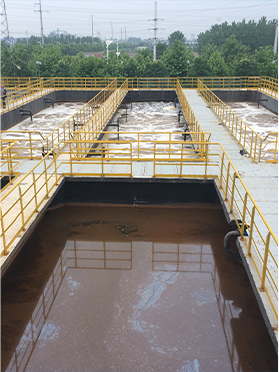
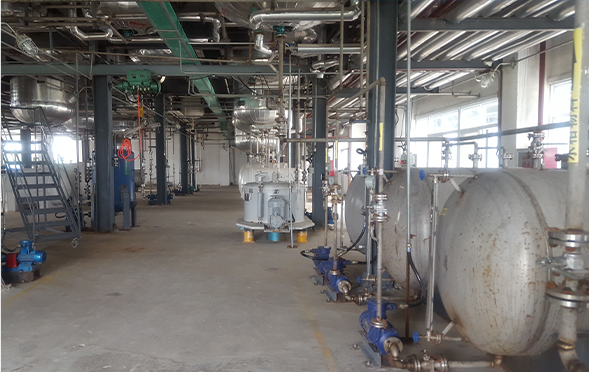
Manufacturing Facilities
Professional Export Experience
to Global Customers
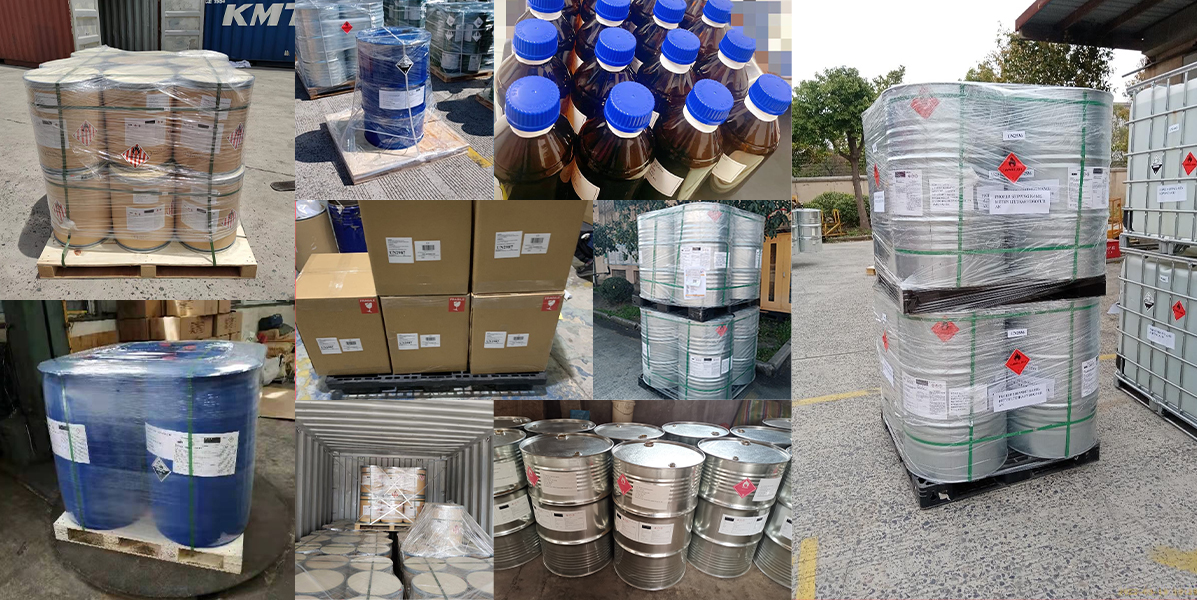
1. 20 years of R&D, manufacturing and sales experience, serving customers in 60 countries and regions around the world;
2. Own R&D laboratory, pilot platform and large-scale production workshop, which can meet the audit requirements of global customers;
3. We can satisfy customers' perfect transition from small scale lab requirements (gram level) to commercialization requirements (hundred tons level).
A: We don't have Minimum Order Quantity, exact quantity should be provided before quotation for us to calculate the exact cost.
A: We don't provide free samples due to lots of request and expensive international courier's cost, we can deduct the sample charge after commercial order placed.
A: Our payment terms: Small or sample order: T/T IN ADVANCE. Commercial order: First order should be by T/T IN ADVANCE or L/C at sight, and following orders T/T 30~90days is acceptable subject to approval of credit application.