
Custom Manufacturing, Project Outsourcing, your Trusted Partner from China
In the intricate world of textile manufacturing, the pre-treatment phase is paramount. It sets the stage for successful dyeing, printing, and finishing, directly impacting the final product's quality, appearance, and performance. Among the critical auxiliaries employed in this stage, Chelating Dispersants play a vital role. This article delves into their function, particularly focusing on products like the RG-KW Chelating Dispersant, and highlights why sourcing from reputable manufacturers is essential for optimizing textile processes.
Understanding the Need for Pre-treatment Auxiliaries
Raw textile materials, especially cotton, often contain natural impurities like waxes, pectins, and mineral salts. These impurities can interfere with subsequent processes, leading to uneven dyeing, reduced absorbency, and poor overall fabric quality. Pre-treatment aims to remove these contaminants and prepare the fabric for optimal dye uptake and finishing. This typically involves processes like scouring and bleaching. However, the water used in these processes often contains dissolved metal ions, such as calcium, magnesium, and iron. These metal ions can create significant issues.
The Function of Chelating Dispersants
This is where Chelating Dispersants, such as the RG-KW variant, come into play. These specialized chemicals are designed to perform a dual function: chelating and dispersing.
Chelation: Neutralizing Metal Ion Interference
Metal ions present in process water or originating from impurities on the fabric can catalyze the decomposition of bleaching agents like hydrogen peroxide, leading to premature breakdown and inefficient bleaching. They can also react with dyes, causing precipitation, flocculation, and duller shades. Chelating agents work by forming stable, soluble complexes with these metal ions, effectively neutralizing their detrimental effects. For instance, by sequestering Fe3+ ions, they prevent them from catalyzing the unwanted decomposition of hydrogen peroxide, thus avoiding localized fabric damage and ensuring uniform whiteness.
Dispersion: Maintaining Uniformity and Preventing Sedimentation
The 'dispersant' aspect of these agents is equally crucial. They are formulated to prevent the re-agglomeration of impurities, dye particles, or by-products that may arise during processing. This is achieved by adsorbing onto particle surfaces, creating repulsive forces that keep them suspended and uniformly distributed in the processing bath. For example, during fabric refining before bleaching, impurities are solubilized and then dispersed, preventing them from re-depositing onto the fabric or equipment. In dyeing, effective dispersion of dyes ensures uniform color uptake and prevents issues like spotting or unevenness. This function is vital for maintaining the clarity of dye baths and the cleanliness of machinery.
Key Benefits of Using Chelating Dispersants like RG-KW
Products like the RG-KW Chelating Dispersant, known for its anionic nature and light yellow transparent liquid form, offer several advantages:
Why Source from a Reliable Manufacturer?
The effectiveness of a chelating dispersant hinges on its precise formulation and quality. Sourcing from a reputable manufacturer, such as a well-established chemical company in China, ensures:
In conclusion, Chelating Dispersants are indispensable in modern textile pre-treatment. Their ability to manage metal ions and maintain particle dispersion significantly contributes to the quality and efficiency of textile processing. For businesses seeking to optimize their operations and achieve superior results, investing in high-quality Chelating Dispersants from a trusted manufacturer is a strategic decision.
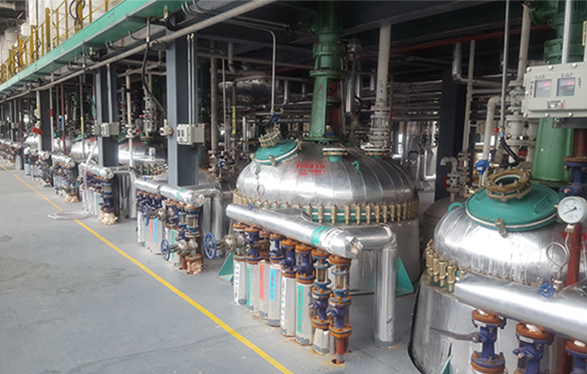
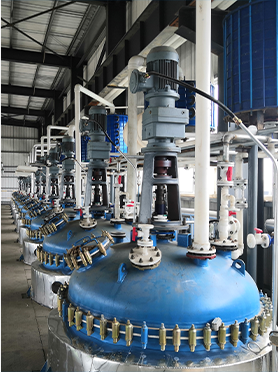
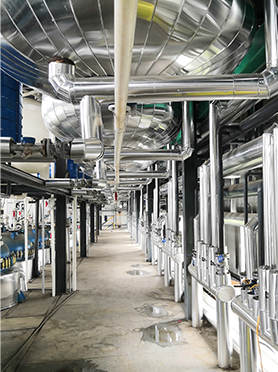
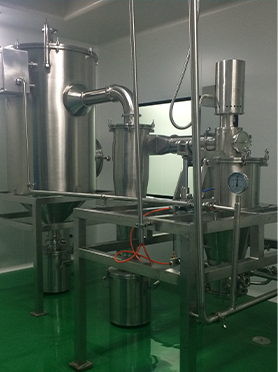
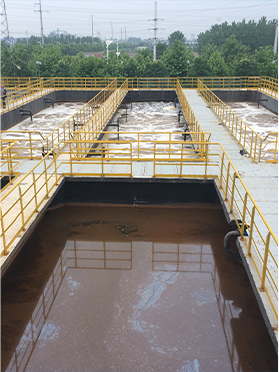
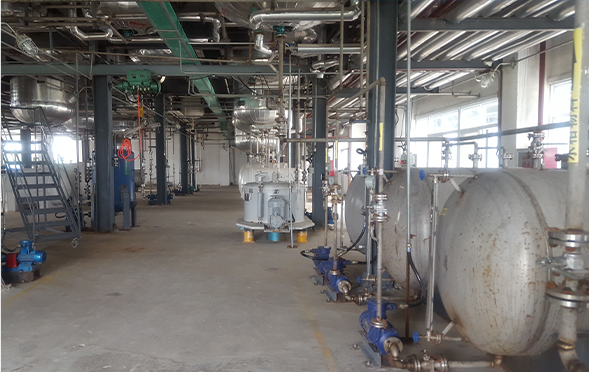
Manufacturing Facilities
Professional Export Experience
to Global Customers
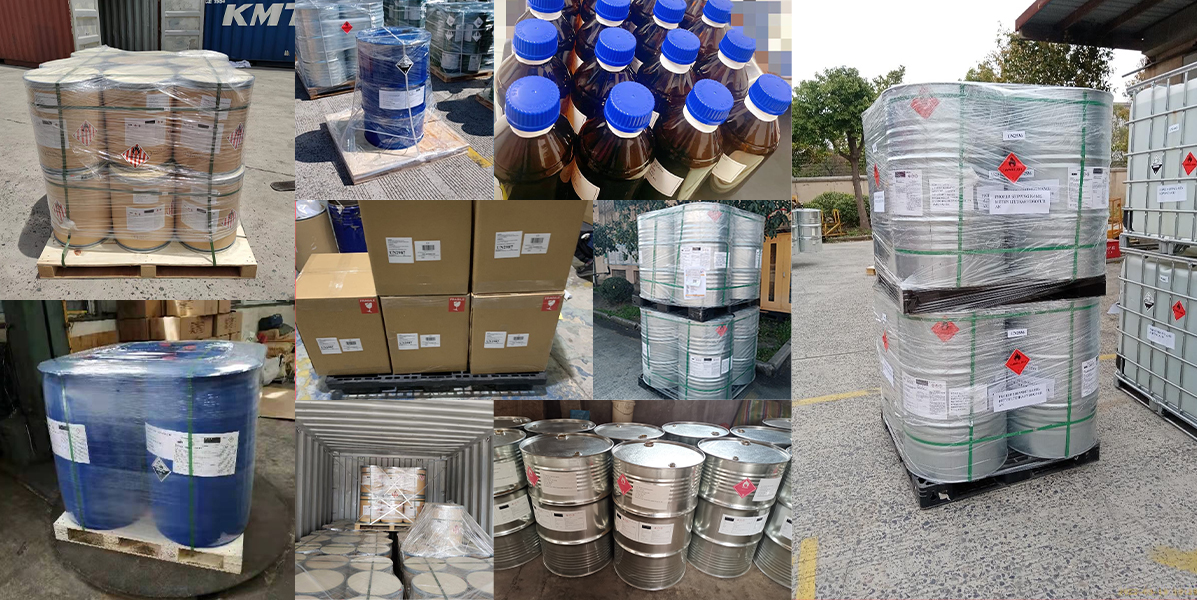
1. 20 years of R&D, manufacturing and sales experience, serving customers in 60 countries and regions around the world;
2. Own R&D laboratory, pilot platform and large-scale production workshop, which can meet the audit requirements of global customers;
3. We can satisfy customers' perfect transition from small scale lab requirements (gram level) to commercialization requirements (hundred tons level).
A: We don't have Minimum Order Quantity, exact quantity should be provided before quotation for us to calculate the exact cost.
A: We don't provide free samples due to lots of request and expensive international courier's cost, we can deduct the sample charge after commercial order placed.
A: Our payment terms: Small or sample order: T/T IN ADVANCE. Commercial order: First order should be by T/T IN ADVANCE or L/C at sight, and following orders T/T 30~90days is acceptable subject to approval of credit application.