
Custom Manufacturing, Project Outsourcing, your Trusted Partner from China
In the realm of water treatment, precision is paramount. Achieving optimal water quality and operational efficiency hinges on understanding and applying the correct dosage of key chemical agents. Among these, polyacrylamide (PAM) stands out as a highly effective flocculant and coagulant. This article delves into the critical aspect of polyacrylamide water treatment dosage, guiding you through the factors that influence it and the methods for its determination.
The effectiveness of polyacrylamide in water treatment is directly tied to its concentration. Too little PAM can lead to insufficient flocculation, leaving suspended particles in the water and resulting in poor clarification. Conversely, an excessive dosage can cause flocculation to become too rapid, leading to the formation of very large, loosely bound flocs that may not settle effectively. This can overload sedimentation tanks and compromise the overall treatment process. Therefore, finding the sweet spot for PAM dosage is crucial for both performance and cost-efficiency.
Several factors dictate the optimal dosage of polyacrylamide. The characteristics of the water being treated are primary. This includes the type and concentration of contaminants, pH levels, temperature, and the presence of other dissolved substances. For instance, treating industrial wastewater often requires different dosage strategies compared to drinking water purification. Understanding the specific needs of your application is the first step in accurate dosage calculation.
When considering specific types of PAM, the dosage requirements can vary. For example, the application of anionic polyacrylamide for wastewater treatment might differ from that of cationic PAM. Similarly, non-ionic variants may have their own optimal dosage ranges. It is always recommended to consult technical data sheets and, ideally, conduct pilot tests to ascertain the most effective dosage for your unique water matrix.
Why is finding the right polyacrylamide dosage important?
In conclusion, while general guidelines exist, the determination of the optimal polyacrylamide dosage is a nuanced process. It requires careful consideration of water quality parameters, the specific type of PAM being used, and the desired treatment outcome. By investing in proper testing and understanding these factors, water treatment professionals can unlock the full potential of polyacrylamide, ensuring cleaner water and more sustainable operations. NINGBO INNO PHARMCHEM CO.,LTD. is dedicated to providing high-quality polyacrylamide products and expert technical support to help you achieve these goals.
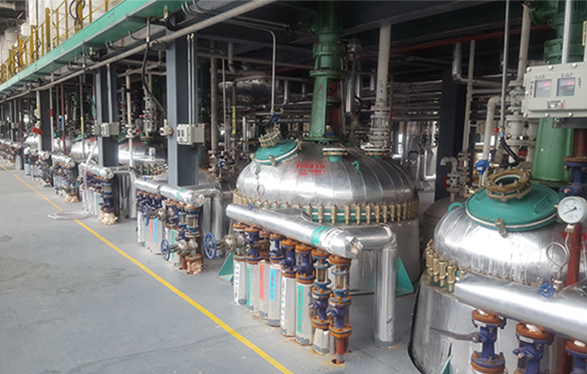
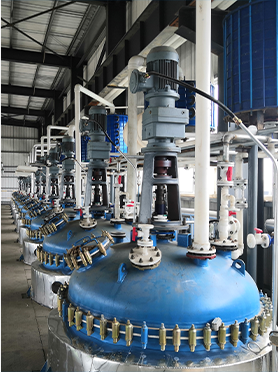
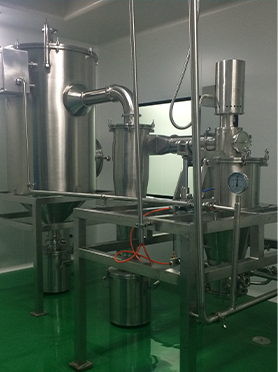
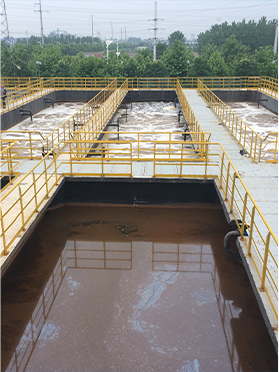
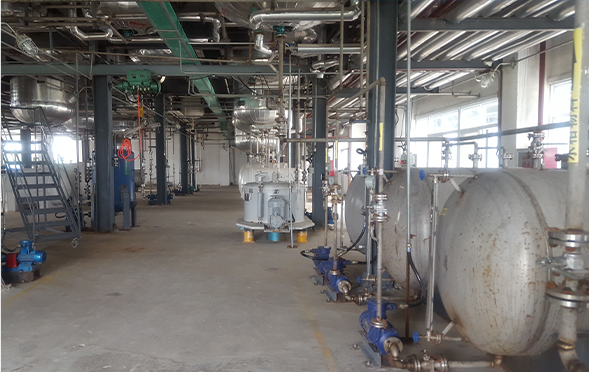
Manufacturing Facilities

Professional Export Experience
to Global Customers
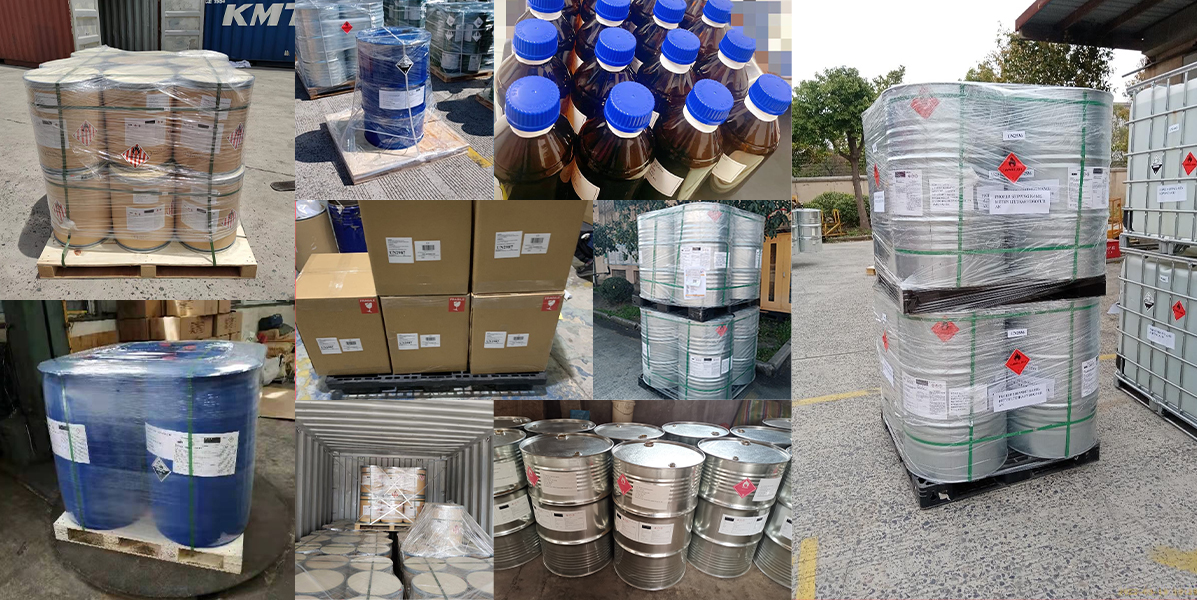
1. 20 years of R&D, manufacturing and sales experience, serving customers in 60 countries and regions around the world;
2. Own R&D laboratory, pilot platform and large-scale production workshop, which can meet the audit requirements of global customers;
3. We can satisfy customers' perfect transition from small scale lab requirements (gram level) to commercialization requirements (hundred tons level).
A: We don't have Minimum Order Quantity, exact quantity should be provided before quotation for us to calculate the exact cost.
A: We don't provide free samples due to lots of request and expensive international courier's cost, we can deduct the sample charge after commercial order placed.
A: Our payment terms: Small or sample order: T/T IN ADVANCE. Commercial order: First order should be by T/T IN ADVANCE or L/C at sight, and following orders T/T 30~90days is acceptable subject to approval of credit application.