
Custom Manufacturing, Project Outsourcing, your Trusted Partner from China
The field of organic opto-electronic materials is rapidly advancing, driving innovation in flexible displays, organic light-emitting diodes (OLEDs), organic photovoltaics (OPVs), and more. The performance of these cutting-edge technologies hinges on the precise molecular design and synthesis of specialized organic compounds. Among these, organic intermediates play a crucial role as the fundamental building blocks. This article focuses on one such important intermediate, 1-Bromo-4-(Trans-4-n-Pentylcyclohexyl)Benzene (CAS: 79832-89-6), highlighting its significance in the synthesis of these advanced materials and guiding readers on how to source it effectively from global manufacturers.
The Growing Demand for Organic Opto-Electronic Materials
Organic opto-electronic materials leverage the unique electronic and optical properties of carbon-based molecules. Their advantages, such as flexibility, low-cost processing, and tunability, make them ideal for next-generation electronic devices. The synthesis of these materials typically involves multi-step chemical processes, where specific organic intermediates are reacted and modified to achieve the desired molecular architecture and opto-electronic properties. The purity and consistent quality of these intermediates are therefore critical for the successful development and commercialization of these technologies.
1-Bromo-4-(Trans-4-n-Pentylcyclohexyl)Benzene: A Versatile Intermediate for Synthesis
1-Bromo-4-(Trans-4-n-Pentylcyclohexyl)Benzene (CAS: 79832-89-6) is a valuable organic intermediate that finds application in the synthesis of various functional materials, particularly those used in display technologies. Its chemical structure, featuring a brominated phenyl ring and a cyclohexyl group with a pentyl substituent, makes it suitable for creating molecules with specific liquid crystalline or emissive properties. As a building block, it can undergo various coupling reactions and functional group transformations to construct more complex molecular systems required for OLED emitters, host materials, or advanced liquid crystal formulations. The ability to buy this intermediate with high purity (often >99.50%) from reliable manufacturers is essential for researchers and production facilities aiming for optimal performance in their opto-electronic devices.
Sourcing Strategies for Procurement and R&D
For professionals in R&D and procurement looking to buy 1-Bromo-4-(Trans-4-n-Pentylcyclohexyl)Benzene, identifying reliable suppliers is key. China has a well-established chemical manufacturing industry that offers a wide range of specialized organic intermediates at competitive prices. When sourcing this compound:
By adopting a strategic approach to sourcing, companies can ensure a consistent and high-quality supply of essential intermediates like 1-Bromo-4-(Trans-4-n-Pentylcyclohexyl)Benzene, thereby accelerating the development and production of next-generation organic opto-electronic devices. Accessing this vital chemical from trusted global manufacturers, including those in China, is crucial for staying at the forefront of this dynamic technological field.
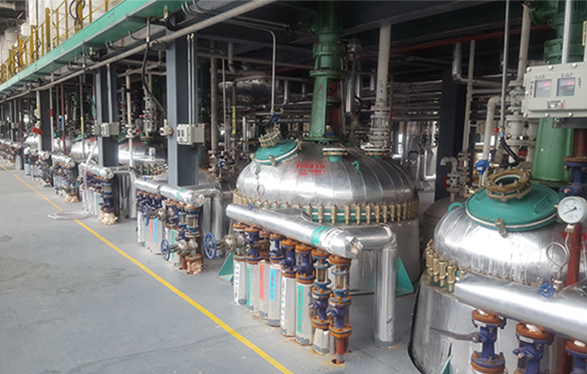
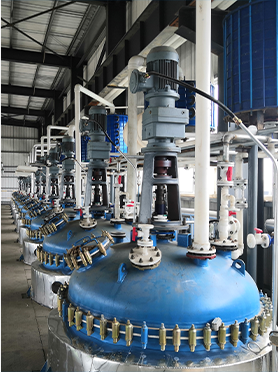
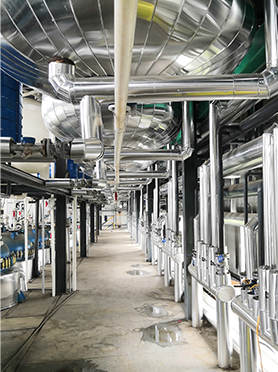
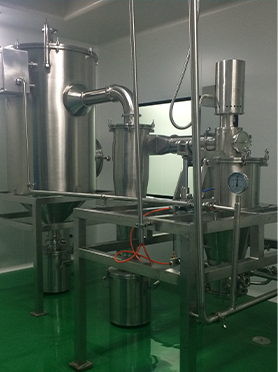
Manufacturing Facilities
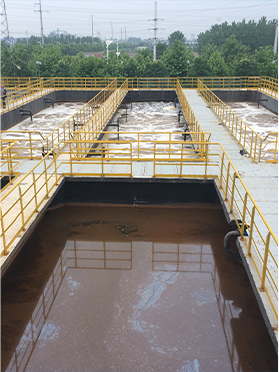
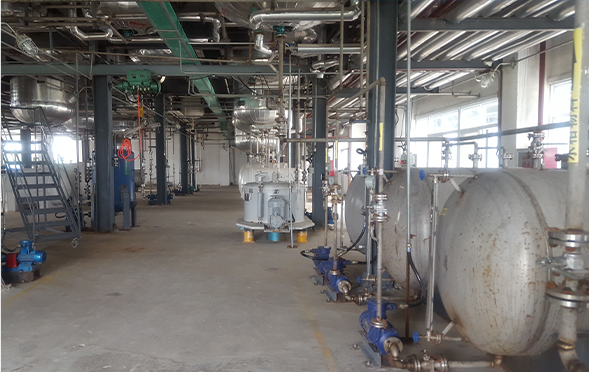
Professional Export Experience
to Global Customers
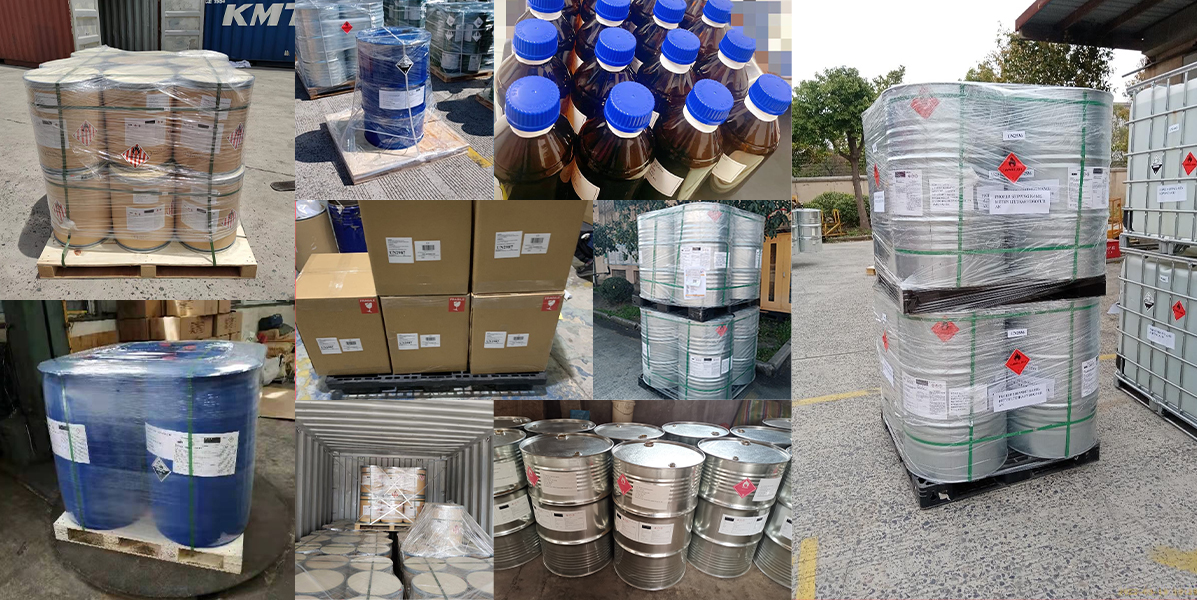
1. 20 years of R&D, manufacturing and sales experience, serving customers in 60 countries and regions around the world;
2. Own R&D laboratory, pilot platform and large-scale production workshop, which can meet the audit requirements of global customers;
3. We can satisfy customers' perfect transition from small scale lab requirements (gram level) to commercialization requirements (hundred tons level).
A: We don't have Minimum Order Quantity, exact quantity should be provided before quotation for us to calculate the exact cost.
A: We don't provide free samples due to lots of request and expensive international courier's cost, we can deduct the sample charge after commercial order placed.
A: Our payment terms: Small or sample order: T/T IN ADVANCE. Commercial order: First order should be by T/T IN ADVANCE or L/C at sight, and following orders T/T 30~90days is acceptable subject to approval of credit application.