
Custom Manufacturing, Project Outsourcing, your Trusted Partner from China
The world of polymer science relies heavily on initiators to kickstart and control the polymerization process, transforming simple monomers into complex, high-performance materials. Among these, organic peroxides, such as Diisobutyryl Peroxide (DIPB) with CAS number 3437-84-1, play a critical role. This article aims to demystify the science behind these compounds, explaining how DIPB functions as an effective initiator, particularly in the production of PVC, and why understanding its chemical behavior is key for R&D scientists and formulators.
The Mechanism of Organic Peroxide Initiation
Organic peroxides are characterized by the presence of a peroxide functional group (-O-O-). This bond is relatively weak and can undergo homolytic cleavage when exposed to heat or certain catalysts, generating free radicals. These free radicals are highly reactive species that initiate polymerization by attacking monomer molecules, creating growing polymer chains. The rate at which these radicals are generated is highly dependent on the specific structure of the peroxide and the temperature, which dictates its half-life.
Diisobutyryl Peroxide: A Closer Look at its Chemical Properties
Diisobutyryl Peroxide (DIPB) is an example of a diacyl peroxide. Its chemical structure contributes to its specific reactivity profile. The theoretical active oxygen content of 9.18% in DIPB signifies its potential to generate free radicals. Its half-life data – 0.1 hours at 57°C, 1 hour at 39°C, and 10 hours at 23°C – provides critical insights for process design. For instance, the relatively low temperature at which it generates radicals makes it an excellent choice for low-temperature polymerization of vinyl chloride, a process preferred for achieving specific polymer properties like high K-values.
When you buy Diisobutyryl Peroxide, understanding these scientific principles allows you to optimize its use. For example, blending DIPB with other initiators can fine-tune the polymerization rate and final polymer characteristics. As a valued chemical intermediate, its performance is directly linked to the quality of the polymer produced.
Ensuring Product Integrity: Sourcing from a Reputable Manufacturer
The effectiveness and safety of Diisobutyryl Peroxide are directly tied to its purity and formulation. When you source DIPB from a reliable manufacturer, such as those in China known for their chemical expertise, you can be assured of:
For procurement managers and R&D scientists, partnering with a trusted Diisobutyryl Peroxide supplier that prioritizes scientific integrity is paramount. This ensures that the chemical intermediate performs as expected, enabling the successful synthesis of high-quality polymers.
In essence, Diisobutyryl Peroxide (CAS 3437-84-1) is more than just a chemical; it's a scientifically engineered tool for polymer synthesis. Understanding its chemical mechanism and sourcing it from expert manufacturers is key to unlocking its full potential in your applications.
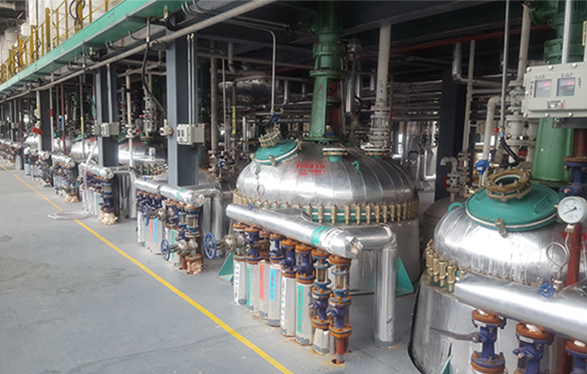
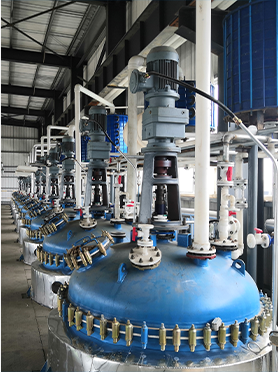
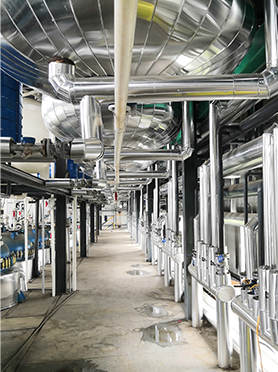
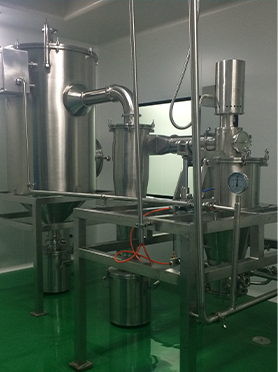
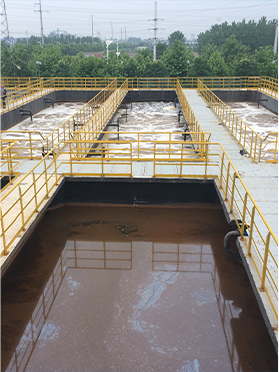
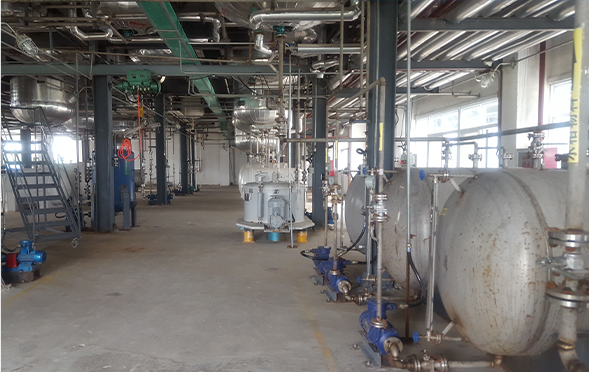
Manufacturing Facilities
Professional Export Experience
to Global Customers
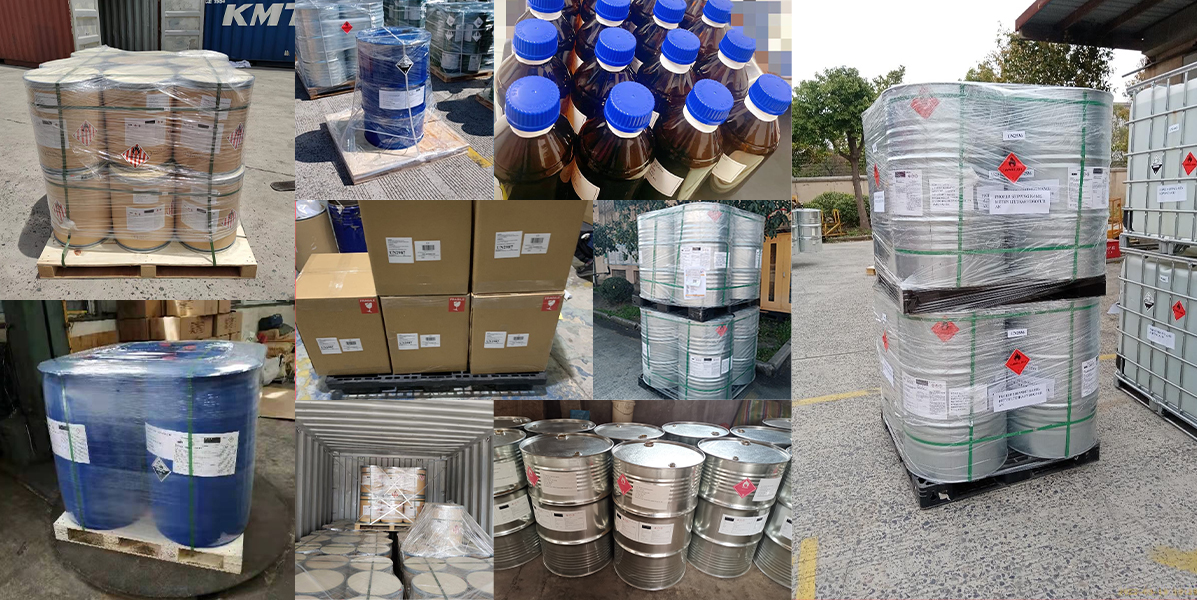
1. 20 years of R&D, manufacturing and sales experience, serving customers in 60 countries and regions around the world;
2. Own R&D laboratory, pilot platform and large-scale production workshop, which can meet the audit requirements of global customers;
3. We can satisfy customers' perfect transition from small scale lab requirements (gram level) to commercialization requirements (hundred tons level).
A: We don't have Minimum Order Quantity, exact quantity should be provided before quotation for us to calculate the exact cost.
A: We don't provide free samples due to lots of request and expensive international courier's cost, we can deduct the sample charge after commercial order placed.
A: Our payment terms: Small or sample order: T/T IN ADVANCE. Commercial order: First order should be by T/T IN ADVANCE or L/C at sight, and following orders T/T 30~90days is acceptable subject to approval of credit application.