
Custom Manufacturing, Project Outsourcing, your Trusted Partner from China
The field of organic synthesis is the bedrock of innovation in countless industries, from pharmaceuticals and agrochemicals to advanced materials and fine chemicals. At the heart of this field are organic synthesis intermediates – compounds that serve as crucial building blocks for more complex molecules. Methyl 2-amino-4-((2,5-dichlorophenyl)carbamoyl)benzoate, identified by its CAS number 59673-82-4, is a notable example of such an intermediate, particularly valued for its role in producing Pigment Red 188 and its potential in broader synthetic applications. For R&D scientists and chemists, understanding its properties and how to source it effectively is key to advancing their projects.
Understanding the Intermediate: Methyl 2-amino-4-((2,5-dichlorophenyl)carbamoyl)benzoate
This compound is a benzanilide derivative, characterized by its specific structural features that make it reactive and versatile in organic reactions. Its molecular formula C15H12Cl2N2O3 and weight of 339.17300 are standard identifiers. As a pale yellow powder, it typically exhibits a melting point around 208°C, indicating good thermal stability. For organic synthesis purposes, the most critical specifications are purity, with a high assay (≥98.5%) being standard, and low levels of total impurities (≤1.5%) and moisture (≤1.0%). These parameters are crucial for ensuring predictable reaction outcomes and high yields of the desired target molecules. Researchers looking to buy this intermediate should always consult the Certificate of Analysis (CoA) provided by the manufacturer.
Key Applications in Organic Synthesis
While its prominent use is as an intermediate for Pigment Red 188, the chemical structure of Methyl 2-amino-4-((2,5-dichlorophenyl)carbamoyl)benzoate offers significant potential for diverse organic synthesis pathways. The presence of the amine group, the amide linkage, and the chlorinated phenyl ring provides multiple sites for functionalization and further reaction. This makes it a valuable starting material for constructing complex organic molecules. R&D teams may leverage this intermediate for:
When you plan to buy this compound for research, it's beneficial to source from manufacturers who can provide consistent quality and timely delivery, allowing for uninterrupted experimental progress.
Sourcing Strategies for Organic Synthesis Intermediates
Procuring high-quality organic synthesis intermediates like Methyl 2-amino-4-((2,5-dichlorophenyl)carbamoyl)benzoate requires a strategic approach. Here are key considerations for R&D scientists:
The availability of well-characterized and high-purity organic synthesis intermediates is critical for driving innovation. By understanding the properties and strategic sourcing of compounds like Methyl 2-amino-4-((2,5-dichlorophenyl)carbamoyl)benzoate, research institutions and chemical companies can accelerate their development pipelines and bring new products to market more efficiently. We encourage you to explore the potential of this versatile intermediate for your next synthesis project.
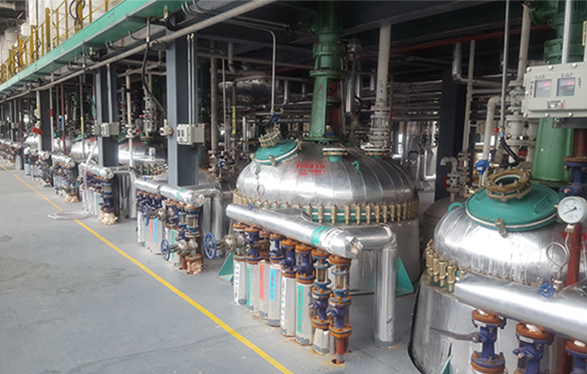
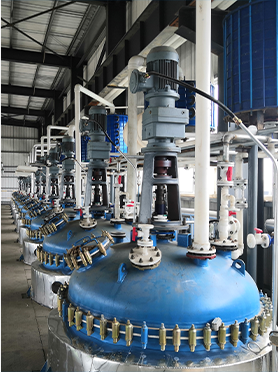
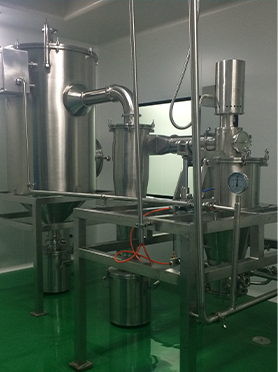
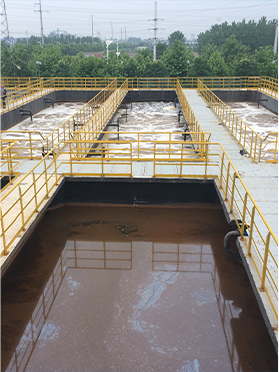
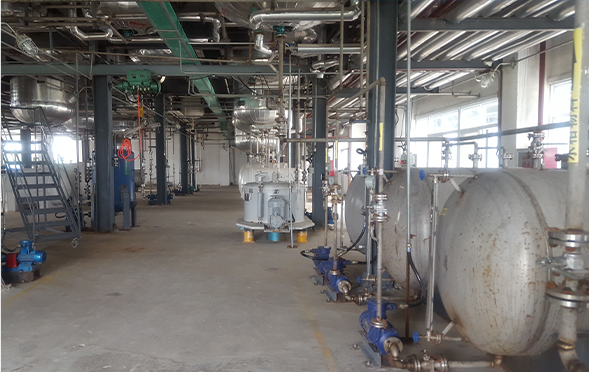
Manufacturing Facilities

Professional Export Experience
to Global Customers
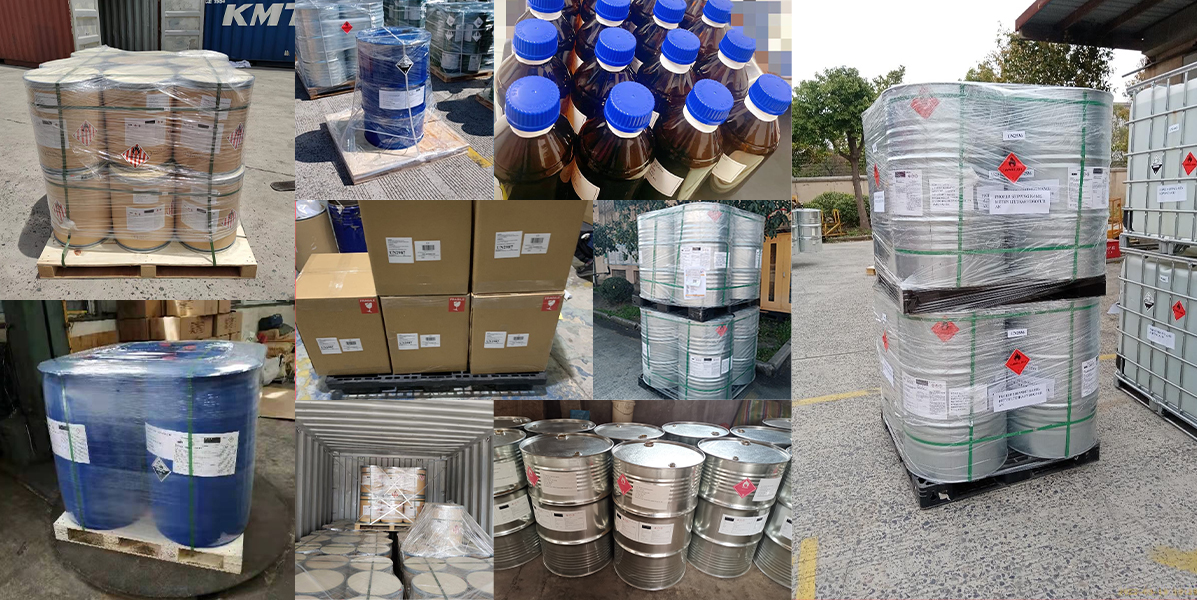
1. 20 years of R&D, manufacturing and sales experience, serving customers in 60 countries and regions around the world;
2. Own R&D laboratory, pilot platform and large-scale production workshop, which can meet the audit requirements of global customers;
3. We can satisfy customers' perfect transition from small scale lab requirements (gram level) to commercialization requirements (hundred tons level).
A: We don't have Minimum Order Quantity, exact quantity should be provided before quotation for us to calculate the exact cost.
A: We don't provide free samples due to lots of request and expensive international courier's cost, we can deduct the sample charge after commercial order placed.
A: Our payment terms: Small or sample order: T/T IN ADVANCE. Commercial order: First order should be by T/T IN ADVANCE or L/C at sight, and following orders T/T 30~90days is acceptable subject to approval of credit application.