
Custom Manufacturing, Project Outsourcing, your Trusted Partner from China
The application of sludge-treated soil in agriculture and land management practices is a common way to recycle nutrients and organic matter. However, the presence of synthetic polymers like Polyacrylamide (PAM), often used in sludge dewatering, raises questions about their environmental fate and persistence. Understanding the degradation behavior of PAM in soil is crucial for assessing its long-term environmental impact and ensuring sustainable land use. As a responsible manufacturer of PAM, we are committed to providing insights into its environmental profile.
Research into the environmental degradation of PAM in soil has focused on various mechanisms, including abiotic (chemical, photochemical) and biotic (microbial) processes, as well as physical interactions like mechanical tillage and freeze-thaw cycles. Studies indicate that PAM, especially high-molecular-weight variants, tends to sorb strongly to soil organic matter and clay particles, which limits its mobility and leaching potential. This strong adsorption is beneficial as it keeps the polymer localized in the topsoil layers.
Regarding degradation, the backbone of the Polyacrylamide polymer, consisting of carbon-carbon bonds, is known to be relatively resistant to rapid breakdown. However, degradation does occur:
The slow degradation rate means that PAM applied via sludge amendment will persist in the soil for an extended period. However, its low mobility and strong sorption to soil particles mean it is unlikely to leach into groundwater. Furthermore, research suggests that while the polymer backbone is slow to degrade, it does not exhibit significant toxicity to soil ecosystems or plants when used at typical application rates, provided monomer residuals are kept to a minimum.
As a responsible Polyacrylamide manufacturer, we emphasize the importance of using high-purity PAM with minimal residual monomers. This ensures not only the efficacy of the product in sludge dewatering but also minimizes potential environmental concerns associated with its application. We are committed to supporting research and providing high-quality PAM that meets stringent safety and environmental standards.
For professionals involved in land application or environmental consulting, understanding the behavior of PAM in soil is key. While it is a persistent polymer, its low mobility and gradual degradation contribute to its acceptable use in agricultural and environmental management practices.
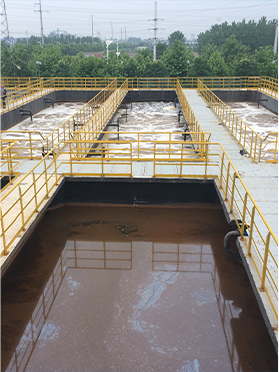
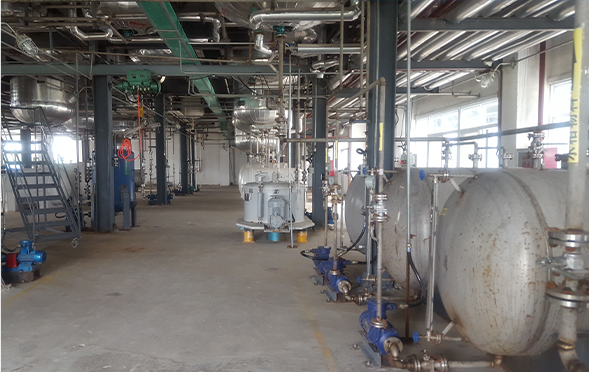
Manufacturing Facilities
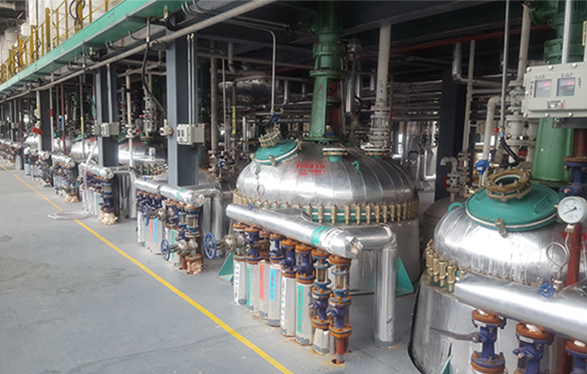
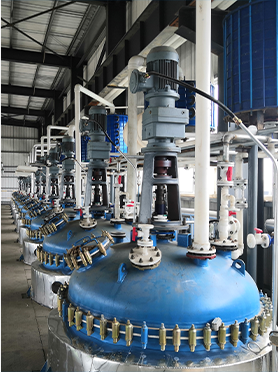
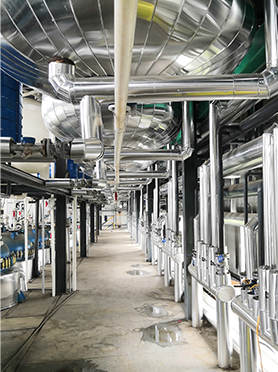
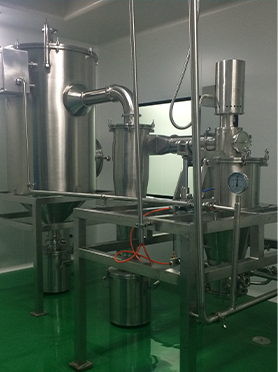
Professional Export Experience
to Global Customers
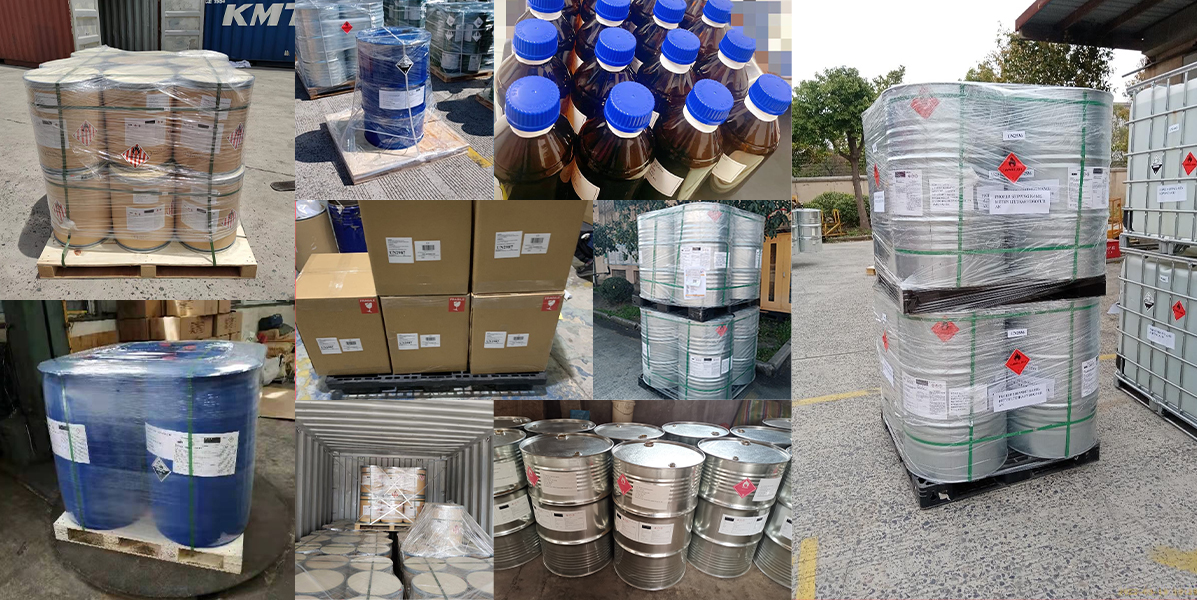
1. 20 years of R&D, manufacturing and sales experience, serving customers in 60 countries and regions around the world;
2. Own R&D laboratory, pilot platform and large-scale production workshop, which can meet the audit requirements of global customers;
3. We can satisfy customers' perfect transition from small scale lab requirements (gram level) to commercialization requirements (hundred tons level).
A: We don't have Minimum Order Quantity, exact quantity should be provided before quotation for us to calculate the exact cost.
A: We don't provide free samples due to lots of request and expensive international courier's cost, we can deduct the sample charge after commercial order placed.
A: Our payment terms: Small or sample order: T/T IN ADVANCE. Commercial order: First order should be by T/T IN ADVANCE or L/C at sight, and following orders T/T 30~90days is acceptable subject to approval of credit application.