
Custom Manufacturing, Project Outsourcing, your Trusted Partner from China
Effective wastewater treatment is a critical concern for industries worldwide, aiming to meet environmental regulations and optimize operational costs. Polyacrylamide (PAM), a high-molecular-weight water-soluble polymer, stands out as a key chemical solution, particularly for its efficacy in flocculation and sludge dewatering. For procurement managers and plant operators, understanding how to best utilize PAM is crucial for achieving superior treatment outcomes.
The fundamental role of PAM in wastewater treatment is to aggregate suspended particles into larger, more manageable flocs. These flocs settle more rapidly or are more easily captured by filtration systems, leading to cleaner effluent and reduced sludge volume. The selection of the appropriate PAM type—anionic, cationic, or non-ionic—depends heavily on the characteristics of the wastewater, such as pH and the charge of the contaminants. For instance, anionic PAM is often preferred for treating wastewater with positively charged suspended solids, commonly found in industrial effluents from steel or mining operations. Cationic PAM, conversely, excels in removing negatively charged organic matter, oils, and dyes, making it ideal for sectors like textiles and food processing.
For those looking to purchase polyacrylamide, it's essential to consider product purity and consistency. Manufacturers often specify solid content (e.g., ≥90% or ≥99%) and molecular weight, which directly influence flocculation performance. Buyers should inquire about these specifications to ensure the PAM meets their specific application requirements. Moreover, sourcing from a reputable polyacrylamide supplier ensures not only quality but also a stable supply chain, which is vital for continuous industrial operations.
Preparation of PAM solutions is a critical step that directly impacts its performance. PAM is typically supplied as a powder or granular solid and needs to be dissolved in water to form a viscous solution before application. It’s crucial to avoid direct addition of undissolved PAM to wastewater, as this can lead to clumping and reduced efficiency. Instead, it should be slowly added to water with gentle stirring, often in a dedicated dissolution tank, to achieve a uniform solution. The recommended concentration for these solutions typically ranges from 0.05% to 1.0%, with the final concentration adjusted based on jar tests and specific wastewater characteristics. For R&D scientists and formulation chemists, optimizing this preparation process can significantly enhance the final product's efficacy.
When integrating PAM into a wastewater treatment process, the order of chemical addition is also important. Generally, it is advisable to adjust the pH of the wastewater first, followed by the addition of primary coagulants (like Polyaluminum Chloride or Ferric Sulfate), and then introduce the PAM solution. This sequence ensures that the PAM acts as an effective bridging agent for the pre-formed micro-flocs, leading to the formation of larger, stronger macro-flocs.
The benefits of using PAM in industrial wastewater treatment are manifold: reduced sludge volume and disposal costs, improved effluent clarity, higher filtration efficiency, and often, a reduction in the overall chemical treatment cost when used in conjunction with other coagulants. As a leading polyacrylamide manufacturer, our commitment is to provide high-quality, cost-effective solutions that address the complex challenges of industrial wastewater management. We encourage potential buyers to reach out for quotes and samples to experience the difference that quality PAM can make in their operations.
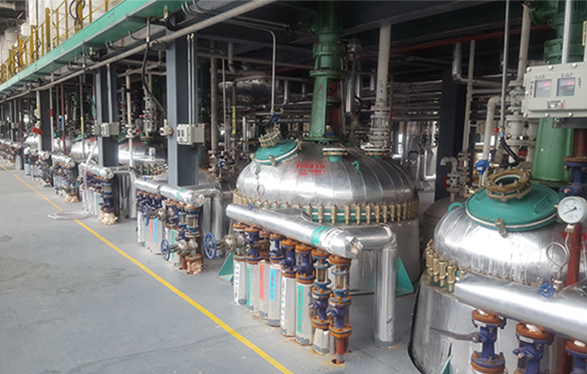
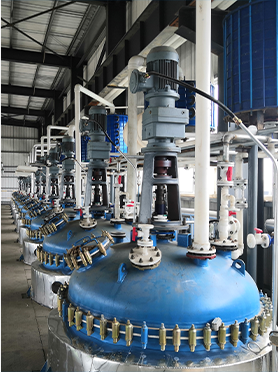
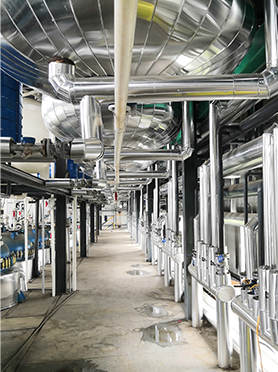
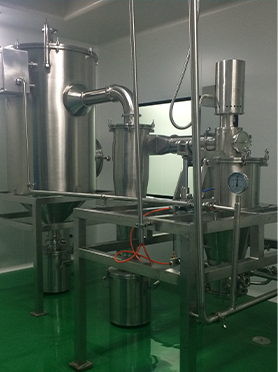
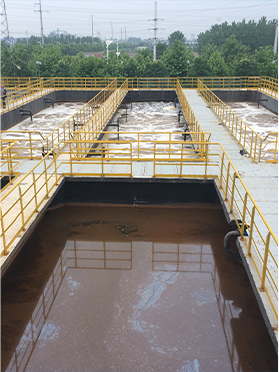
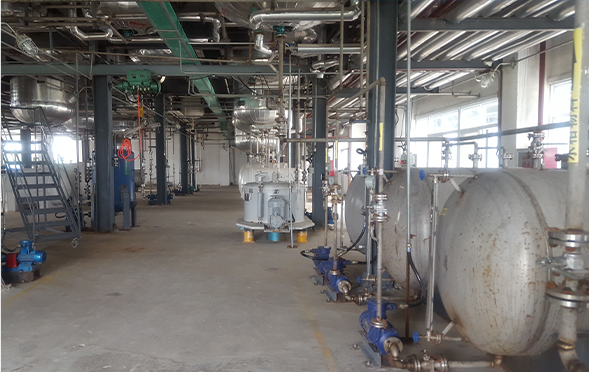
Manufacturing Facilities
Professional Export Experience
to Global Customers
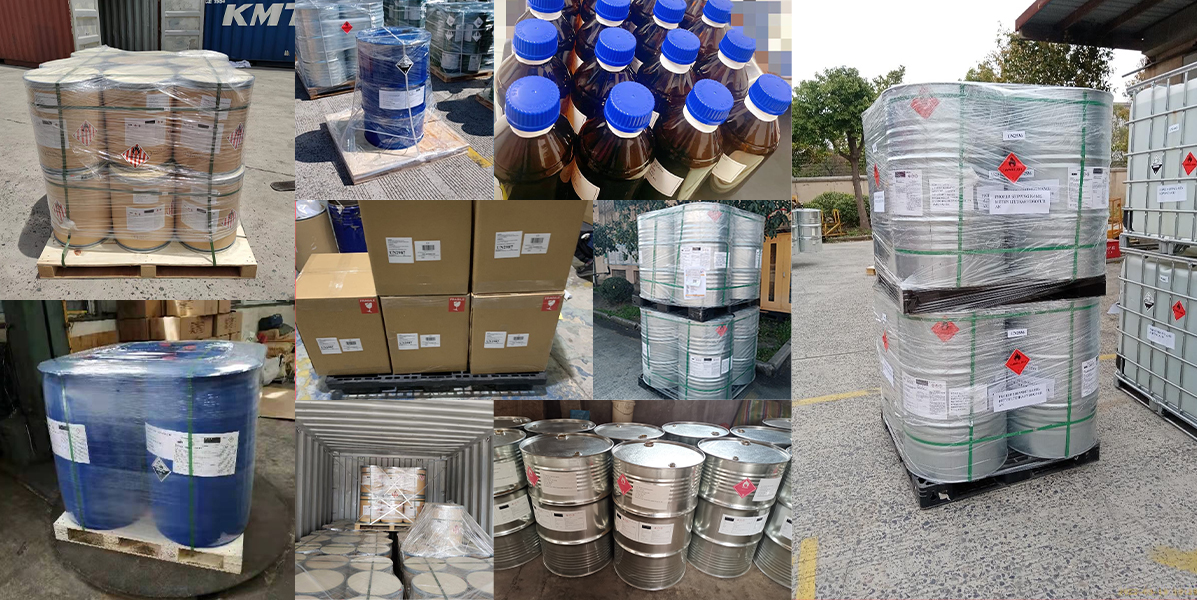
1. 20 years of R&D, manufacturing and sales experience, serving customers in 60 countries and regions around the world;
2. Own R&D laboratory, pilot platform and large-scale production workshop, which can meet the audit requirements of global customers;
3. We can satisfy customers' perfect transition from small scale lab requirements (gram level) to commercialization requirements (hundred tons level).
A: We don't have Minimum Order Quantity, exact quantity should be provided before quotation for us to calculate the exact cost.
A: We don't provide free samples due to lots of request and expensive international courier's cost, we can deduct the sample charge after commercial order placed.
A: Our payment terms: Small or sample order: T/T IN ADVANCE. Commercial order: First order should be by T/T IN ADVANCE or L/C at sight, and following orders T/T 30~90days is acceptable subject to approval of credit application.