
Custom Manufacturing, Project Outsourcing, your Trusted Partner from China
Polyacrylamide (PAM) is a widely used synthetic polymer across various industries, including water treatment, agriculture, and oil recovery. While its applications offer significant benefits, understanding its environmental fate and degradation is crucial for responsible use. This article examines the environmental implications of PAM, focusing on its degradation mechanisms and the importance of sourcing from reputable manufacturers and suppliers. As a conscientious Anionic Polyacrylamide supplier in China, we are committed to promoting sustainable practices and providing products that minimize environmental impact.
Understanding PAM's Environmental Presence
PAM is utilized in applications such as soil conditioning for erosion control, where it directly interacts with the environment. In water treatment, residual PAM or its degradation products can be discharged into waterways. In oilfield operations, large volumes of PAM are used, leading to potential environmental exposure through wastewater or spills. The key concern with PAM in the environment is its potential to degrade, which can alter its properties and, in some cases, release residual acrylamide monomer, a compound known for its toxicity.
Degradation Mechanisms of PAM:
Environmental Implications and Mitigation Strategies
The degradation of PAM can lead to shorter polymer chains, which are more mobile in the environment. A critical concern is the potential release of acrylamide monomer, which is a neurotoxin and a potential carcinogen. Regulatory bodies worldwide have set strict limits on acrylamide monomer content in PAM products and in treated water. As a responsible anionic polyacrylamide manufacturer, we ensure our products adhere to these stringent safety standards, minimizing residual acrylamide monomer content. Furthermore, using PAM in optimized dosages and employing effective wastewater treatment processes can help manage its environmental presence.
Responsible Sourcing and Sustainability
Choosing a reliable supplier in China like ourselves is vital. We are committed to producing high-quality APAM that not only meets performance requirements but also aligns with environmental sustainability goals. Our manufacturing processes focus on minimizing waste and ensuring product safety. By understanding the environmental fate of PAM and sourcing from reputable manufacturers, industries can utilize this powerful chemical responsibly, contributing to both operational efficiency and environmental protection. We encourage all our partners to reach out for technical guidance on the best practices for using and managing PAM products.
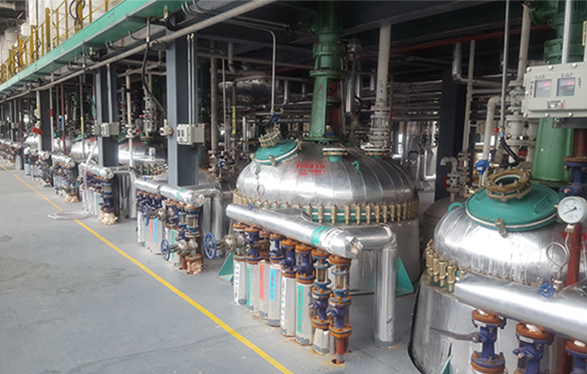
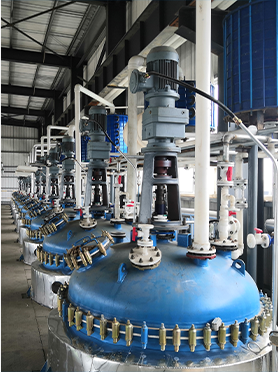
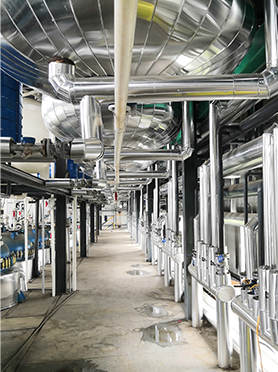
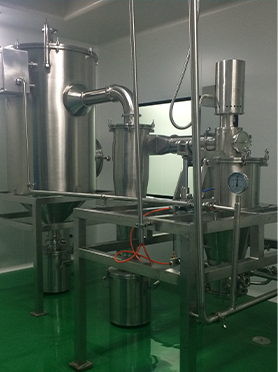
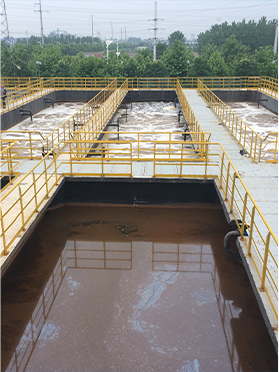
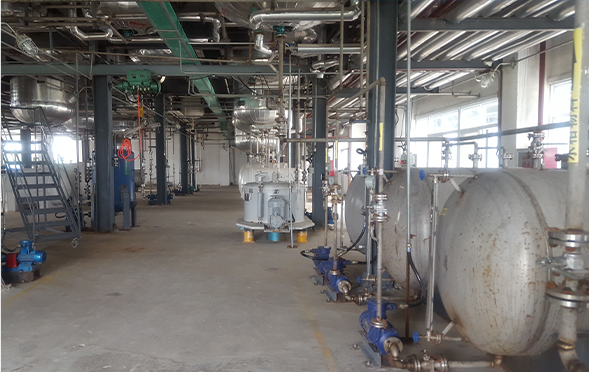
Manufacturing Facilities
Professional Export Experience
to Global Customers
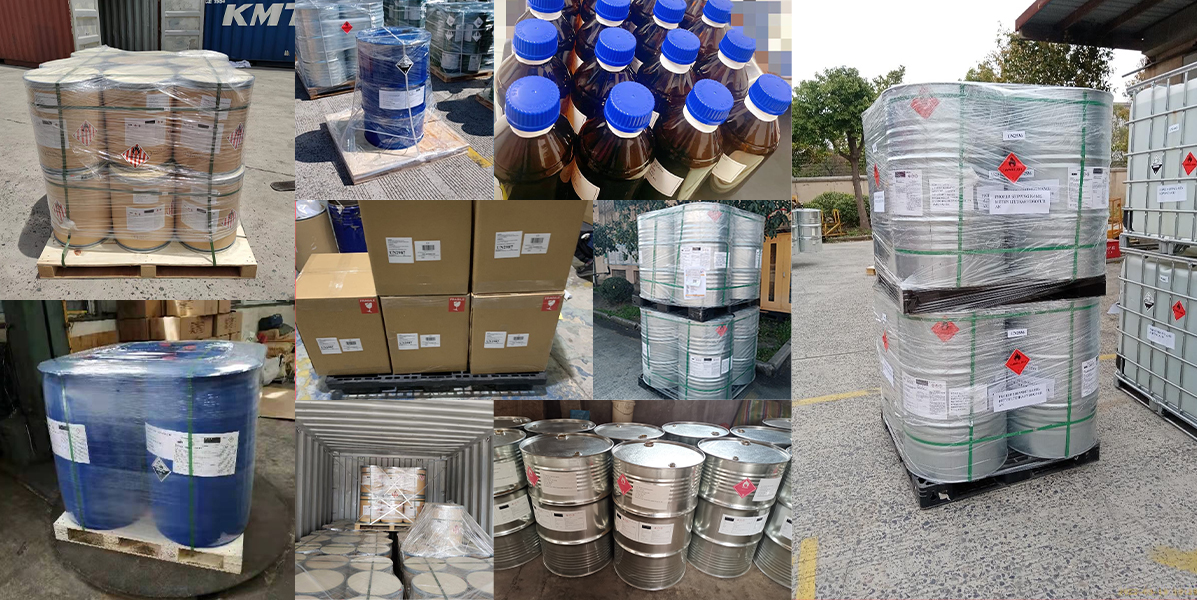
1. 20 years of R&D, manufacturing and sales experience, serving customers in 60 countries and regions around the world;
2. Own R&D laboratory, pilot platform and large-scale production workshop, which can meet the audit requirements of global customers;
3. We can satisfy customers' perfect transition from small scale lab requirements (gram level) to commercialization requirements (hundred tons level).
A: We don't have Minimum Order Quantity, exact quantity should be provided before quotation for us to calculate the exact cost.
A: We don't provide free samples due to lots of request and expensive international courier's cost, we can deduct the sample charge after commercial order placed.
A: Our payment terms: Small or sample order: T/T IN ADVANCE. Commercial order: First order should be by T/T IN ADVANCE or L/C at sight, and following orders T/T 30~90days is acceptable subject to approval of credit application.