
Custom Manufacturing, Project Outsourcing, your Trusted Partner from China
The papermaking industry is a major consumer of water and a significant generator of industrial wastewater. Effectively treating this wastewater is crucial for environmental compliance, resource conservation, and overall operational sustainability. Polyacrylamide (PAM) has emerged as a cornerstone technology in papermaking wastewater treatment, primarily functioning as a highly efficient flocculant. Its ability to aggregate suspended solids and pollutants significantly improves water clarity and reduces the environmental impact of paper mills.
The primary mechanism by which polyacrylamide aids in wastewater treatment is through flocculation. Papermaking effluent typically contains a complex mixture of fine fibers, fillers, organic matter, and other suspended particles. These particles are often small and negatively charged, making them difficult to remove through simple sedimentation. PAM, particularly anionic polyacrylamide (APAM), possesses long polymer chains with numerous polar groups. When introduced into the wastewater, these polymer chains adsorb onto the surface of the suspended particles. Through a process known as bridging, PAM molecules link multiple particles together, forming larger, heavier aggregates called flocs.
The formation of these larger flocs has several critical benefits for wastewater treatment. Firstly, it dramatically enhances sedimentation and sludge dewatering. The increased size and weight of the flocs cause them to settle out of the water much more rapidly than individual particles. This process speeds up clarification, allowing for more efficient separation of solids from liquids. Additionally, the formed flocs often entrap significant amounts of water, and subsequent dewatering processes are made more efficient, reducing the volume of sludge that needs disposal and lowering associated costs. Reports suggest that PAM can accelerate sludge settlement and dehydration effectively.
Secondly, polyacrylamide's flocculation action leads to a significant improvement in water quality. By aggregating and removing suspended solids, PAM effectively reduces turbidity in the wastewater. It also helps to capture organic matter and other dissolved pollutants that might otherwise persist in the treated water. This reduction in contaminants, often measured by parameters like BOD (Biochemical Oxygen Demand) and COD (Chemical Oxygen Demand), ensures that the discharged water meets stringent environmental regulations, protecting receiving water bodies from pollution. This is a core environmental benefit that NINGBO INNO PHARMCHEM CO.,LTD. emphasizes.
The application of PAM in papermaking wastewater treatment also contributes to cost reduction. By improving the efficiency of sedimentation and dewatering, it can reduce the need for costly mechanical dewatering equipment or supplemental chemical treatments. Furthermore, the enhanced removal of pollutants lessens the burden on downstream treatment processes. In some cases, the improved quality of treated water may even allow for its recycling back into the papermaking process, further conserving water resources and reducing overall operational expenses.
The selection of the appropriate type and grade of polyacrylamide is crucial for optimal performance in wastewater treatment. Factors such as the molecular weight, charge density, and ionic type (anionic, cationic, non-ionic) of the PAM, as well as the specific characteristics of the wastewater (pH, temperature, types of pollutants), must be considered. NINGBO INNO PHARMCHEM CO.,LTD. advises that a careful evaluation of the wastewater stream and consultation with chemical experts can ensure the most effective PAM solution is chosen.
In conclusion, polyacrylamide is an indispensable chemical additive for the papermaking industry, particularly in the realm of wastewater treatment. Its robust flocculation capabilities not only ensure compliance with environmental standards and protect ecosystems but also offer significant economic advantages through improved efficiency and reduced operational costs. The strategic use of PAM is a key enabler of sustainable and responsible papermaking practices.
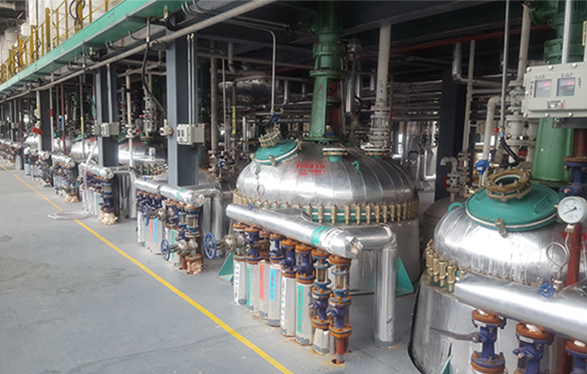
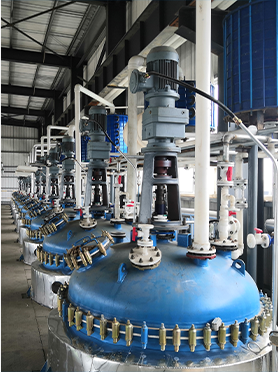
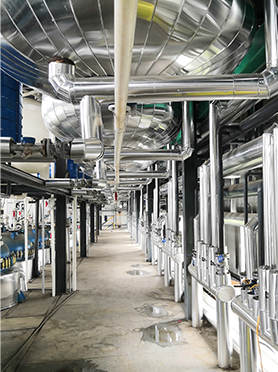
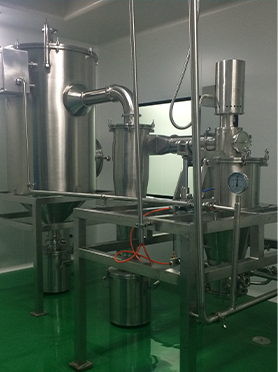
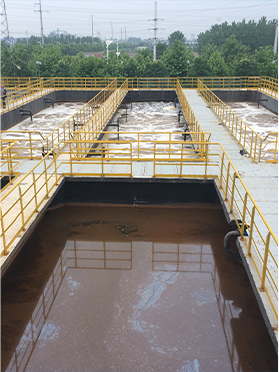
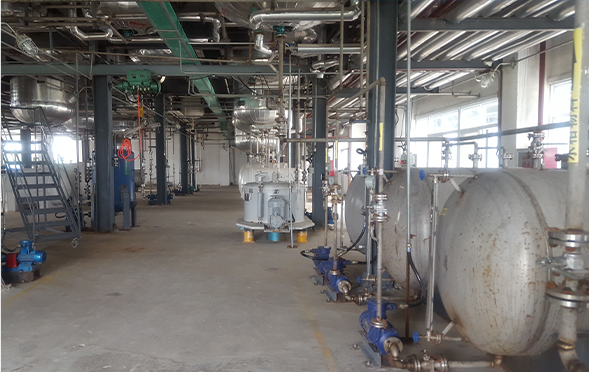
Manufacturing Facilities
Professional Export Experience
to Global Customers
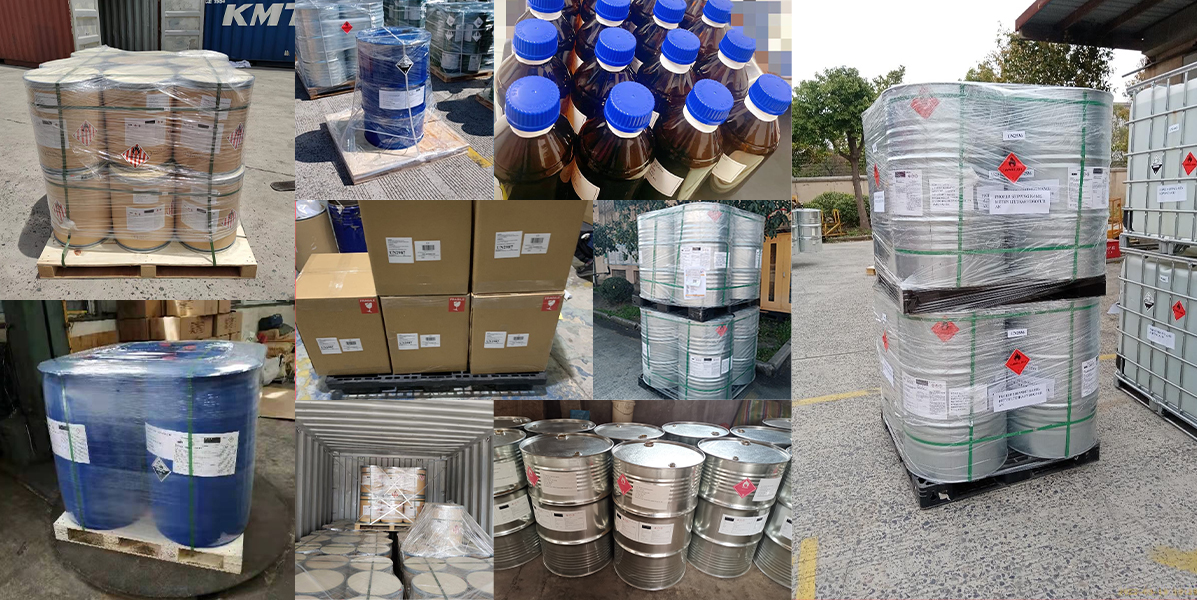
1. 20 years of R&D, manufacturing and sales experience, serving customers in 60 countries and regions around the world;
2. Own R&D laboratory, pilot platform and large-scale production workshop, which can meet the audit requirements of global customers;
3. We can satisfy customers' perfect transition from small scale lab requirements (gram level) to commercialization requirements (hundred tons level).
A: We don't have Minimum Order Quantity, exact quantity should be provided before quotation for us to calculate the exact cost.
A: We don't provide free samples due to lots of request and expensive international courier's cost, we can deduct the sample charge after commercial order placed.
A: Our payment terms: Small or sample order: T/T IN ADVANCE. Commercial order: First order should be by T/T IN ADVANCE or L/C at sight, and following orders T/T 30~90days is acceptable subject to approval of credit application.