
Custom Manufacturing, Project Outsourcing, your Trusted Partner from China
Polyacrylamide (PAM) plays a pivotal role in the oil and gas industry, contributing significantly to enhanced oil recovery (EOR) and improving the efficiency of drilling operations. Its unique rheological properties, particularly its ability to increase viscosity and reduce friction, make it an indispensable chemical additive.
In the realm of oil recovery, PAM is a key component in polymer flooding techniques. This method involves injecting water-based PAM solutions into oil reservoirs to improve the displacement of crude oil. As described in polyacrylamide for oil recovery applications, the high molecular weight and viscosity of PAM solutions help to push oil more effectively towards production wells, especially in mature fields. This process significantly boosts the overall oil recovery rate, making previously uneconomical reserves viable.
PAM also serves as a crucial friction reducer in hydraulic fracturing operations. During the high-pressure pumping of fracturing fluids, PAM dramatically reduces frictional drag within the pipelines and the formation. This reduction in friction allows for lower pumping pressures, less energy consumption, and improved efficiency in delivering the fracturing fluid to the wellbore.
Furthermore, PAM is a vital additive in drilling fluids. Its ability to control viscosity and suspend drilling cuttings prevents them from settling when circulation is stopped, thus avoiding pipe sticking and ensuring smoother drilling operations. PAM also helps to stabilize shale formations encountered during drilling, preventing wellbore collapse. Its role as a drilling fluid additive is crucial for maintaining operational integrity and cost-effectiveness.
The selection of the appropriate PAM type is critical for optimizing performance in oilfield applications. Factors such as salinity, temperature, and shear conditions within the reservoir influence the choice between anionic, cationic, or non-ionic PAM. NINGBO INNO PHARMCHEM CO.,LTD provides a range of PAM products specifically designed for the demanding conditions of the oil and gas sector, offering technical expertise to ensure clients select the optimal solution for their specific needs.
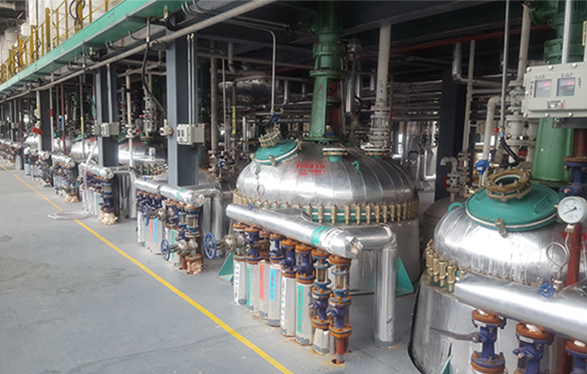
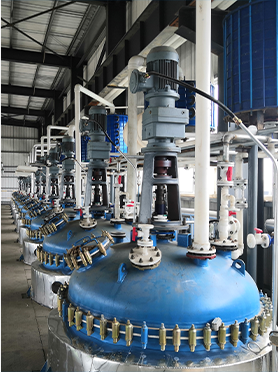
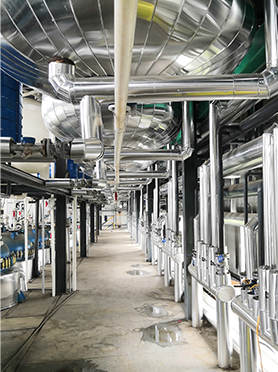
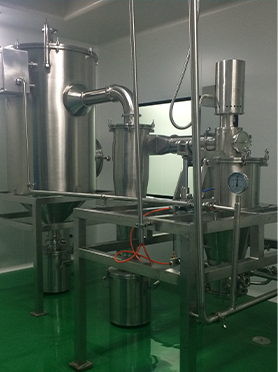
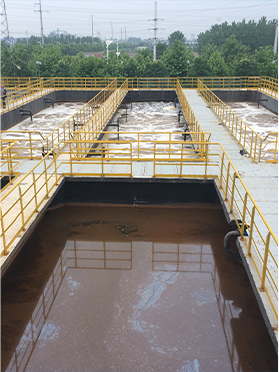
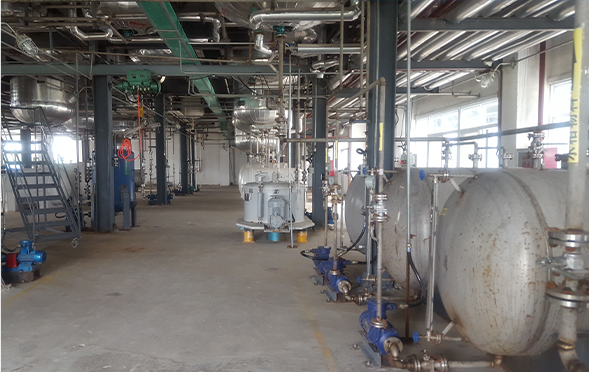
Manufacturing Facilities
Professional Export Experience
to Global Customers
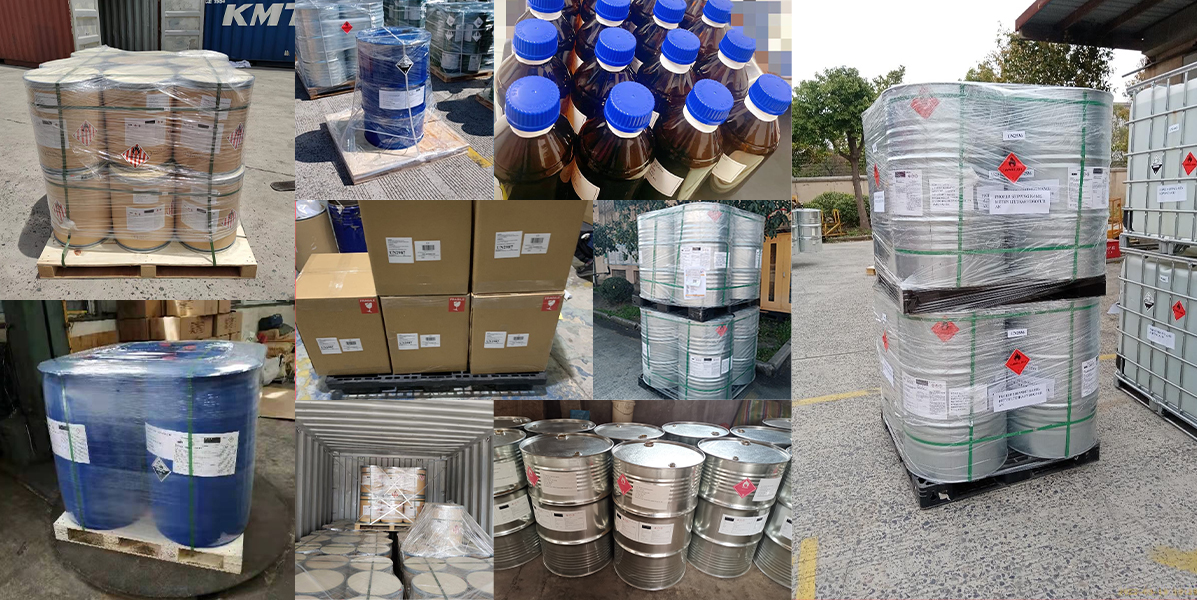
1. 20 years of R&D, manufacturing and sales experience, serving customers in 60 countries and regions around the world;
2. Own R&D laboratory, pilot platform and large-scale production workshop, which can meet the audit requirements of global customers;
3. We can satisfy customers' perfect transition from small scale lab requirements (gram level) to commercialization requirements (hundred tons level).
A: We don't have Minimum Order Quantity, exact quantity should be provided before quotation for us to calculate the exact cost.
A: We don't provide free samples due to lots of request and expensive international courier's cost, we can deduct the sample charge after commercial order placed.
A: Our payment terms: Small or sample order: T/T IN ADVANCE. Commercial order: First order should be by T/T IN ADVANCE or L/C at sight, and following orders T/T 30~90days is acceptable subject to approval of credit application.