
Custom Manufacturing, Project Outsourcing, your Trusted Partner from China
Polyacrylamide (PAM) is a highly versatile polymer with a broad spectrum of industrial applications, primarily driven by its varied ionic charges. Understanding the distinctions between anionic, cationic, and non-ionic PAM is crucial for procurement managers and R&D scientists aiming to select the most effective chemical solution for their specific needs. As a leading supplier of specialty chemicals, we offer a comprehensive range of PAM products, each engineered for optimal performance.
Anionic Polyacrylamide (APAM) carries a negative charge due to its hydrolyzed acrylate groups. This makes APAM particularly effective in applications where it needs to interact with positively charged particles. In water treatment, it excels as a flocculant for clarifying water containing positively charged suspended solids or colloidal particles. It is also widely used in mineral processing, such as in the flotation and sedimentation of ores, where its anionic nature helps in separating valuable minerals from gangue. For procurement, APAM is often chosen when dealing with acidic or neutral water conditions.
Cationic Polyacrylamide (CPAM), conversely, possesses a positive charge, making it highly effective at binding with negatively charged particles. This characteristic is invaluable in sludge dewatering processes, where CPAM is used to aggregate negatively charged organic solids in sludge, allowing for efficient water separation. In municipal wastewater treatment and industrial sludge management, CPAM is a cornerstone chemical. It also finds applications in the paper industry as a retention and drainage aid, improving the formation of the paper sheet.
Non-ionic Polyacrylamide (NPAM) has minimal or no charge along its polymer chain. This makes it less sensitive to changes in pH and salt concentration, offering consistent performance across a wider range of conditions. NPAM is often preferred in applications where ionic interactions are not the primary mechanism for flocculation or where specific rheological properties are desired. Its use in textile sizing and as a thickener in various formulations highlights its adaptability. While less common in water treatment for flocculation compared to ionic PAM, its stability is a key advantage.
Selecting the right type of PAM is critical for achieving desired outcomes. As your trusted manufacturer and supplier, we provide detailed technical specifications and application guidance for each product type. If you are looking to buy Polyacrylamide with specific ionic properties, or require expert advice on choosing the best PAM for your industrial process, contact us. We are committed to providing high-quality, cost-effective PAM solutions to meet your chemical procurement needs.
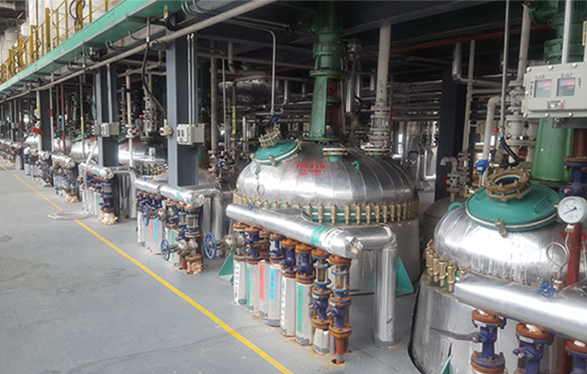
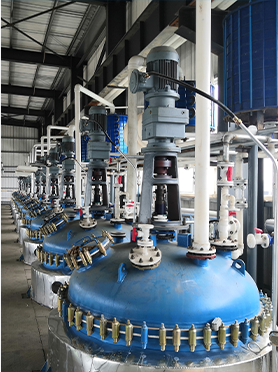
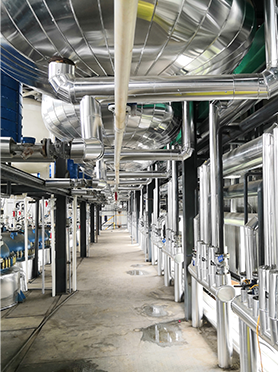
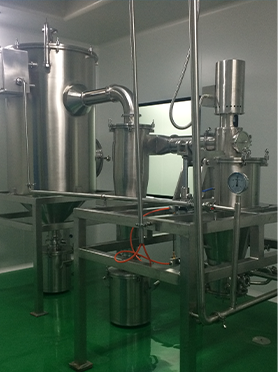
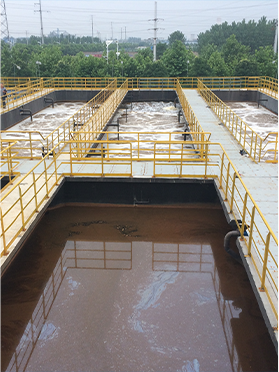
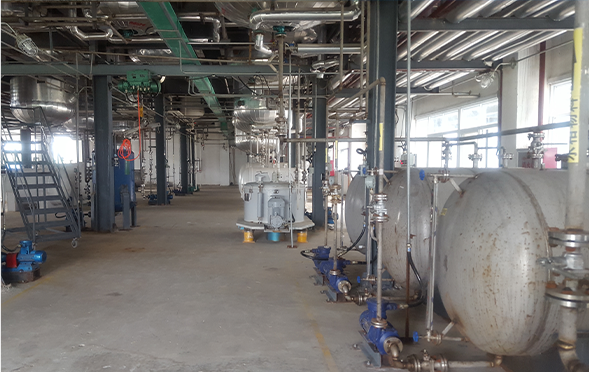
Manufacturing Facilities
Professional Export Experience
to Global Customers
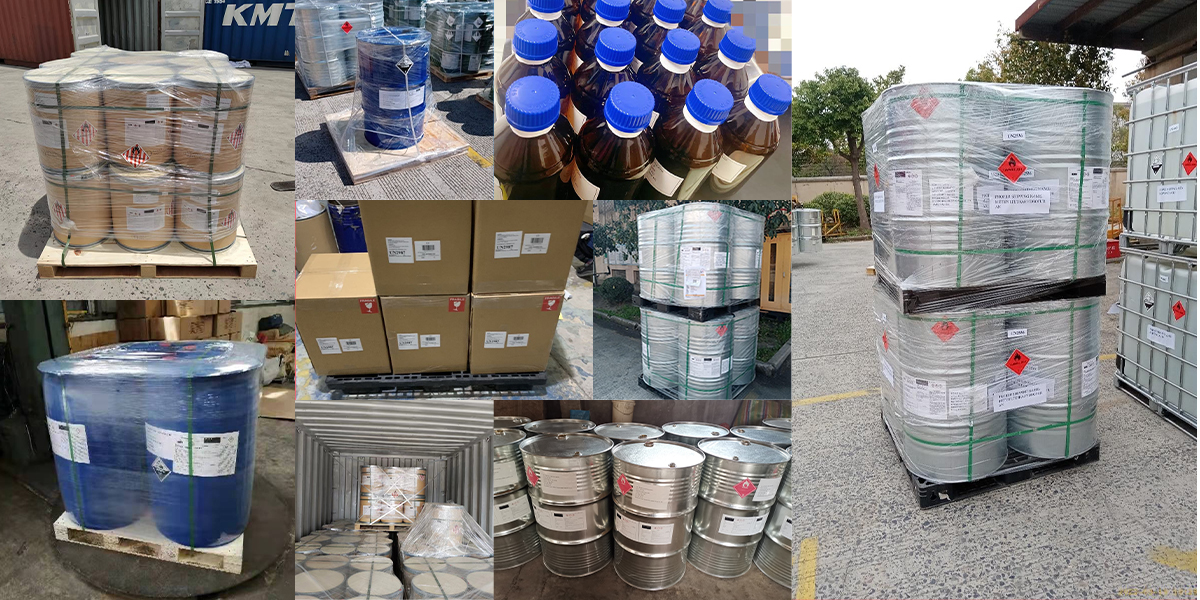
1. 20 years of R&D, manufacturing and sales experience, serving customers in 60 countries and regions around the world;
2. Own R&D laboratory, pilot platform and large-scale production workshop, which can meet the audit requirements of global customers;
3. We can satisfy customers' perfect transition from small scale lab requirements (gram level) to commercialization requirements (hundred tons level).
A: We don't have Minimum Order Quantity, exact quantity should be provided before quotation for us to calculate the exact cost.
A: We don't provide free samples due to lots of request and expensive international courier's cost, we can deduct the sample charge after commercial order placed.
A: Our payment terms: Small or sample order: T/T IN ADVANCE. Commercial order: First order should be by T/T IN ADVANCE or L/C at sight, and following orders T/T 30~90days is acceptable subject to approval of credit application.