
Custom Manufacturing, Project Outsourcing, your Trusted Partner from China
Polyacrylamide (PAM) is a highly versatile polymer widely utilized across numerous industries for its exceptional properties in water treatment, sludge management, papermaking, and more. As a global supplier of high-quality chemical raw materials, we aim to demystify PAM and guide procurement professionals in selecting the right product for their specific needs. Understanding the different types of PAM—Anionic, Cationic, Nonionic, and Amphoteric—is crucial for optimizing performance and achieving desired outcomes.
What is Polyacrylamide (PAM)?
PAM is a synthetic, water-soluble polymer composed of repeating acrylamide units. Its long-chain structure allows it to act as a flocculant, thickener, suspending agent, friction reducer, and rheology modifier. The specific properties and applications of PAM are largely determined by its molecular weight, degree of hydrolysis, and ionic charge.
Key Types of Polyacrylamide and Their Applications
1. Anionic Polyacrylamide (APAM):
* Characteristics: APAM carries a negative charge in aqueous solution, typically achieved through hydrolysis of the amide groups into carboxylate groups. It has a wide range of molecular weights and anionic charge densities.
* Mechanism: APAM effectively binds positively charged particles, such as suspended solids in neutral to alkaline water, heavy metals, and clay. It works through charge neutralization and bridging mechanisms.
* Applications: Widely used in industrial wastewater treatment (steel, electroplating, coal washing), raw water clarification, mineral processing, and as a flocculant in drinking water treatment. If you are seeking anionic polyacrylamide supplier, look for products with specifications suited to your water's pH and contaminant profile.
2. Cationic Polyacrylamide (CPAM):
* Characteristics: CPAM carries a positive charge, achieved by copolymerizing acrylamide with cationic monomers. It is particularly effective for treating negatively charged substances.
* Mechanism: CPAM excels at binding negatively charged particles like organic matter, dyes, oils, and sludge particles. Its strong interaction leads to robust floc formation and efficient sludge dewatering.
* Applications: Highly effective in municipal sewage and sludge dewatering, industrial wastewater treatment (alcohol factories, sugar factories, textile dyeing), and as a retention and drainage aid in papermaking. When looking to buy polyacrylamide for sludge dewatering, CPAM is often the preferred choice.
3. Nonionic Polyacrylamide (NPAM):
* Characteristics: NPAM has no net charge. Its performance relies primarily on bridging flocculation.
* Mechanism: It acts by physically bridging particles together, making it useful in applications where charge interactions are less critical or in specific water conditions.
* Applications: Used in treating industrial wastewater and waste liquids, particularly when the water is acidic or has low ionic content. It also finds use in the petroleum industry for oil recovery and in the textile industry.
4. Amphoteric Polyacrylamide (APAM):
* Characteristics: APAM contains both anionic and cationic functional groups within the same polymer chain. This dual-charge capability provides enhanced versatility.
* Mechanism: Capable of interacting with both positively and negatively charged contaminants, making it highly effective in complex water conditions where mono-ionic PAM might struggle. It offers improved performance and stability when water chemistry fluctuates.
* Applications: Increasingly used in municipal wastewater treatment, industrial water treatment, oilfields (profile control, water plugging), and sludge dewatering, especially in challenging conditions or when treating mixed sludge types.
Why Partner with a Reliable PAM Supplier?
Selecting the correct PAM type and ensuring its quality is crucial for achieving optimal results. As a leading polyacrylamide manufacturer, we emphasize:
For businesses seeking to procure PAM, understanding these types and their applications is the first step towards efficient and effective water treatment and industrial processing. We invite you to contact us to discuss your specific requirements and explore our comprehensive range of Polyacrylamide products. Let us help you find the best solution to enhance your operations.
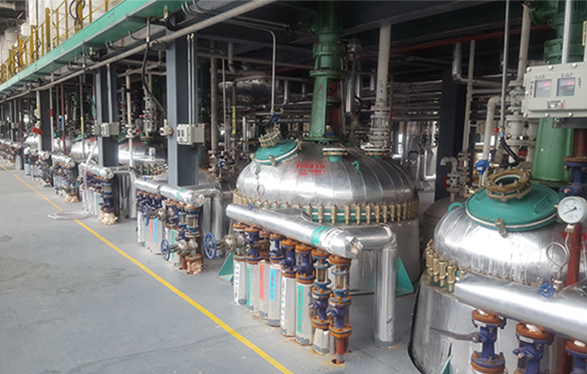
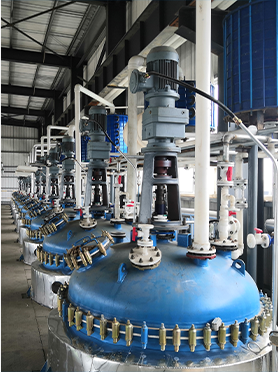
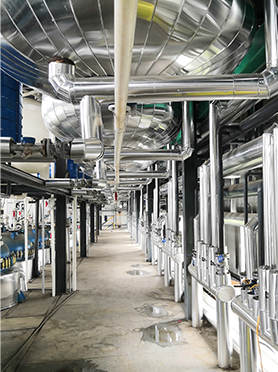
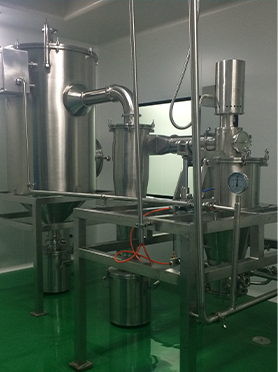
Manufacturing Facilities
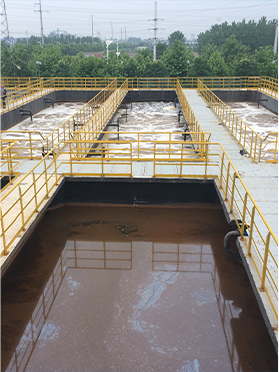
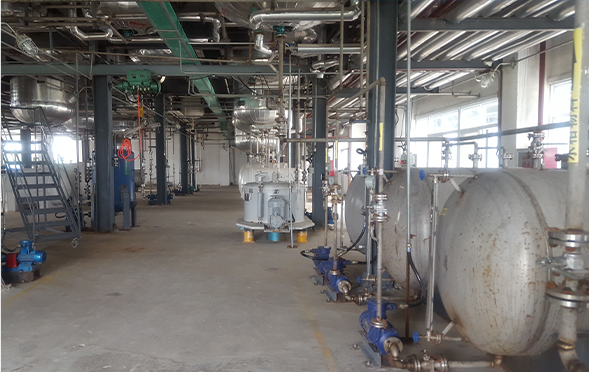
Professional Export Experience
to Global Customers
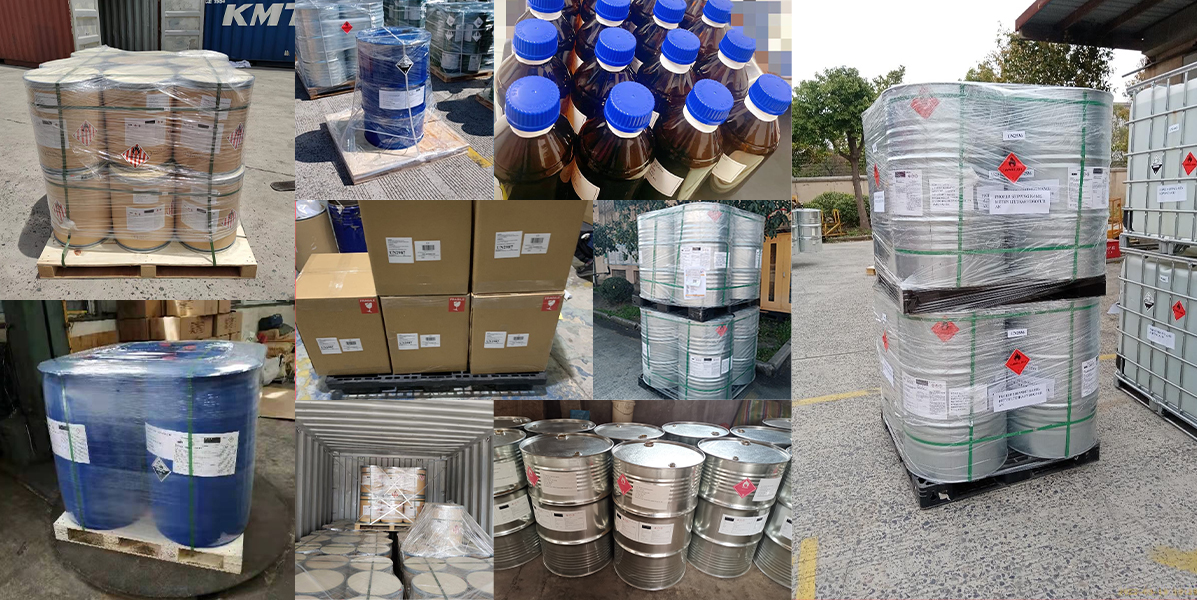
1. 20 years of R&D, manufacturing and sales experience, serving customers in 60 countries and regions around the world;
2. Own R&D laboratory, pilot platform and large-scale production workshop, which can meet the audit requirements of global customers;
3. We can satisfy customers' perfect transition from small scale lab requirements (gram level) to commercialization requirements (hundred tons level).
A: We don't have Minimum Order Quantity, exact quantity should be provided before quotation for us to calculate the exact cost.
A: We don't provide free samples due to lots of request and expensive international courier's cost, we can deduct the sample charge after commercial order placed.
A: Our payment terms: Small or sample order: T/T IN ADVANCE. Commercial order: First order should be by T/T IN ADVANCE or L/C at sight, and following orders T/T 30~90days is acceptable subject to approval of credit application.