
Custom Manufacturing, Project Outsourcing, your Trusted Partner from China
The textile industry relies on a variety of chemical auxiliaries to achieve desired fabric properties and optimize manufacturing processes. Polyethylene Glycol (PEG) is a highly valued compound within this sector, serving multiple critical functions that enhance fabric quality, improve processing efficiency, and contribute to the aesthetic appeal of finished textile products. Its versatility, stemming from its varying molecular weights and chemical characteristics, makes it a staple ingredient in numerous textile treatments.
In textile finishing, PEGs are widely used as softeners and lubricants. They impart a desirable soft hand feel to fabrics, improving comfort and drape. As lubricants, PEGs reduce friction during spinning, weaving, and knitting processes, minimizing fiber breakage and wear on machinery. This not only leads to improved yarn and fabric quality but also contributes to more efficient production cycles. The application of specific polyethylene glycol grades ensures optimal performance for different fiber types and processing requirements.
Another significant role of PEG in textiles is its function as an antistatic agent. Synthetic fibers, in particular, are prone to static electricity buildup, which can cause processing issues and affect the final product. PEG's hygroscopic nature helps dissipate static charges by attracting and holding moisture, thereby preventing clinging and improving the handling of materials. This antistatic property is crucial for maintaining product quality and safety in textile manufacturing.
Furthermore, PEGs are utilized as dyeing aids and dispersants in textile dyeing and printing processes. They help to ensure uniform distribution of dyes, preventing uneven coloration and improving the brilliance and fastness of dyed fabrics. Their ability to act as wetting agents also aids in the penetration of dyes into fibers. The diverse PEG applications in textiles, from fiber production to finishing, highlight its importance in creating high-quality, comfortable, and functional fabrics for a wide range of consumer and industrial uses.
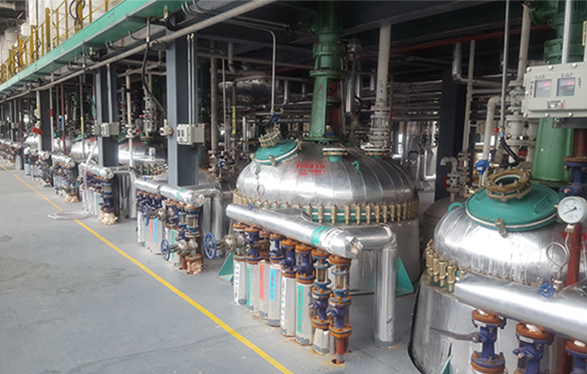
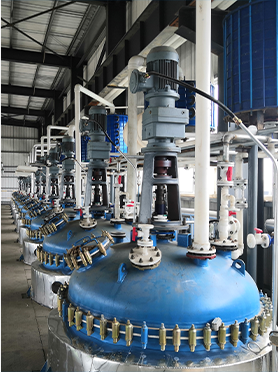
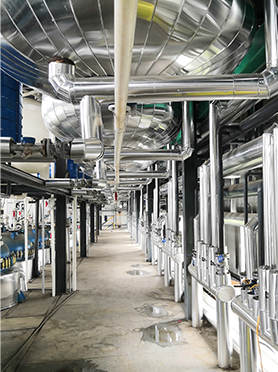
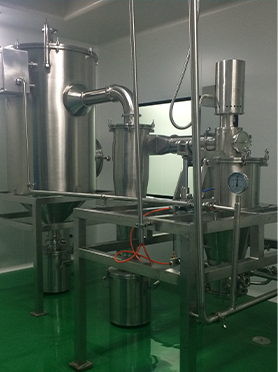
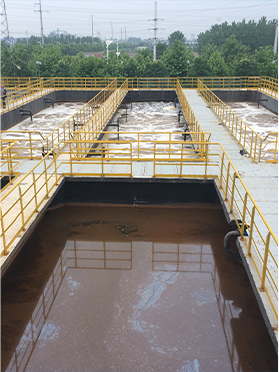
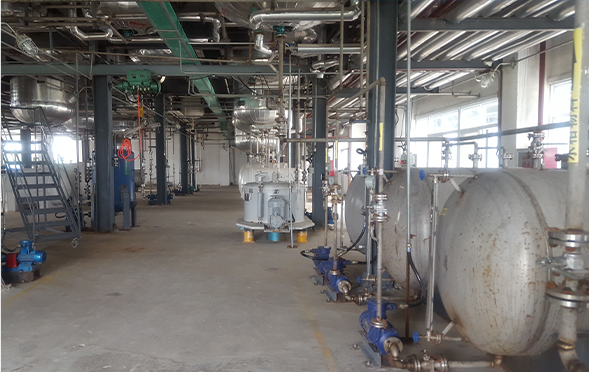
Manufacturing Facilities
Professional Export Experience
to Global Customers
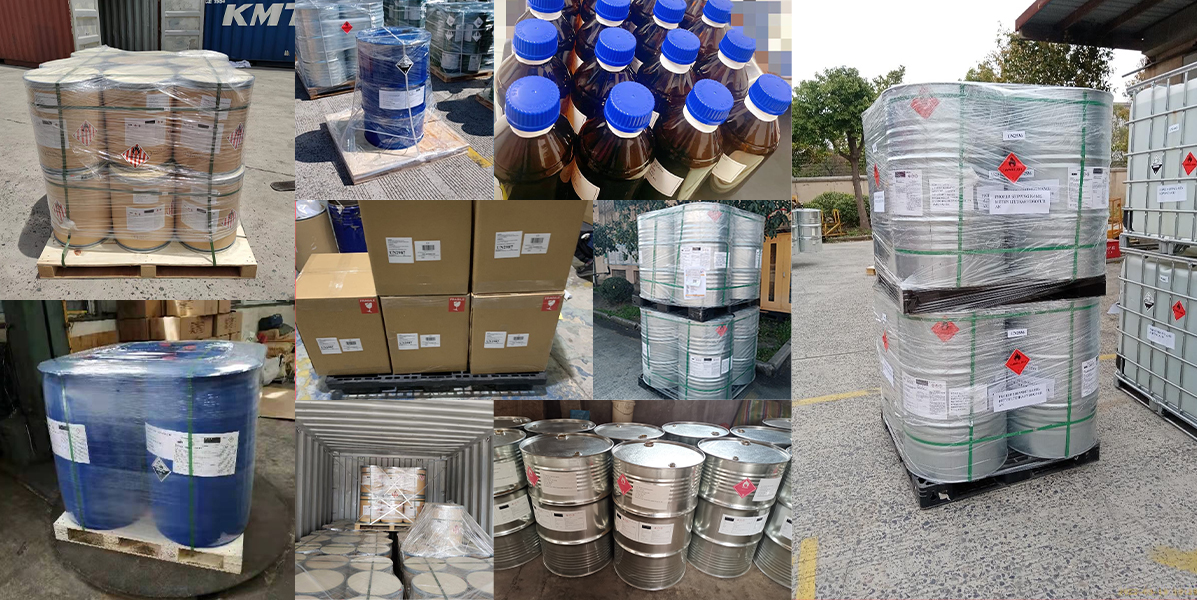
1. 20 years of R&D, manufacturing and sales experience, serving customers in 60 countries and regions around the world;
2. Own R&D laboratory, pilot platform and large-scale production workshop, which can meet the audit requirements of global customers;
3. We can satisfy customers' perfect transition from small scale lab requirements (gram level) to commercialization requirements (hundred tons level).
A: We don't have Minimum Order Quantity, exact quantity should be provided before quotation for us to calculate the exact cost.
A: We don't provide free samples due to lots of request and expensive international courier's cost, we can deduct the sample charge after commercial order placed.
A: Our payment terms: Small or sample order: T/T IN ADVANCE. Commercial order: First order should be by T/T IN ADVANCE or L/C at sight, and following orders T/T 30~90days is acceptable subject to approval of credit application.