
Custom Manufacturing, Project Outsourcing, your Trusted Partner from China
For industries grappling with water purity challenges, selecting the correct chemical treatment is paramount. Among the array of water treatment chemicals available, coagulants play a critical role in separating suspended solids and impurities. Two commonly considered iron-based coagulants are Ferric Sulfate and Polyferric Sulfate (PFS). While both contain trivalent iron ions, their structural differences lead to vastly different performance characteristics, particularly in industrial applications. As a leading manufacturer and supplier of water treatment solutions in China, NINGBO INNO PHARMCHEM CO.,LTD. wants to clarify these distinctions to help you make an informed decision.
Understanding the Fundamental Difference: Molecular Structure
The core difference lies in their molecular structure. Ferric sulfate is a low molecular weight inorganic compound. In contrast, Polyferric Sulfate is a high molecular weight polymer, essentially a chain-like structure formed through the hydrolysis and polymerization of ferrous sulfate. This polymeric nature is the key to PFS's enhanced performance.
Performance Advantages of Polyferric Sulfate for Industrial Use:
1. Superior Adsorption and Flocculation: The long, chain-like colloidal structure of PFS provides a much stronger adsorption force and a more effective bridging effect. This results in the formation of larger, denser flocs that settle more rapidly than those formed by monomeric ferric sulfate. This enhanced settling speed is crucial for optimizing industrial wastewater treatment plant throughput.
2. Higher Efficiency and Lower Dosage: Due to its superior coagulating ability, PFS typically requires a lower dosage to achieve the desired water quality compared to traditional ferric sulfate. This translates directly into cost savings for businesses, reducing overall treatment expenses. When you buy high-quality PFS, you invest in efficiency.
3. Broader pH Range and Stability: PFS is effective over a wider pH range (typically 4-11) and is less sensitive to temperature variations. This broad operational window minimizes the need for extensive pH adjustments, simplifying the treatment process and reducing the consumption of additional chemicals. Furthermore, it exhibits less corrosiveness to equipment compared to monomeric ferric sulfate, offering better long-term equipment protection.
4. Enhanced Impurity Removal: PFS demonstrates a superior ability to remove a wide range of contaminants, including turbidity, COD (Chemical Oxygen Demand), BOD (Biochemical Oxygen Demand), heavy metals, and color. This makes it an excellent choice for industries with stringent wastewater discharge standards or those requiring high-purity water for their processes.
5. Reduced Iron Residue: While both are iron-based, PFS often results in lower residual iron ions in the treated water, which is beneficial for certain industrial applications and environmental compliance. This reduces the risk of secondary contamination.
Applications and Purchasing Considerations:
While ferric sulfate finds some use in analytical chemistry, catalysts, and as a mordant, Polyferric Sulfate is predominantly recognized for its role as a high-performance coagulant in physicochemical coagulation and sedimentation processes for sewage and industrial wastewater. When considering your options, remember that investing in a reliable supplier like NINGBO INNO PHARMCHEM CO.,LTD. ensures you receive a product that delivers on performance and cost-effectiveness.
For industries seeking to improve their water treatment efficiency, reduce operational costs, and meet environmental regulations, Polyferric Sulfate stands out as a more advanced and effective solution. We encourage you to explore our range of PFS products and contact us for a competitive price quote and a sample to test its efficacy in your specific application.
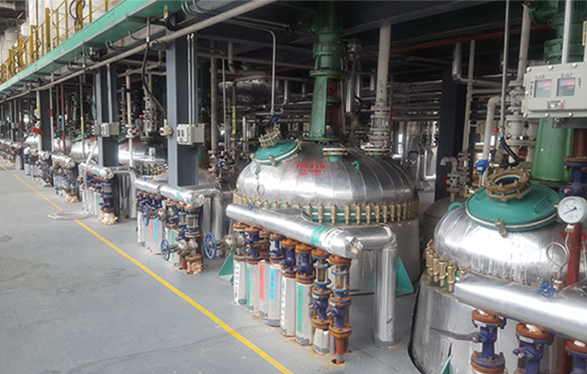
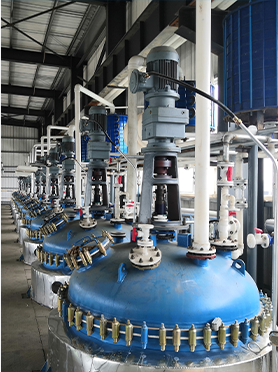
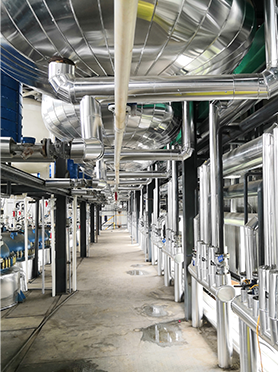
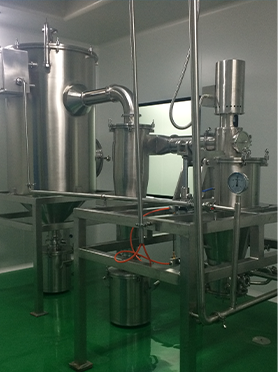
Manufacturing Facilities
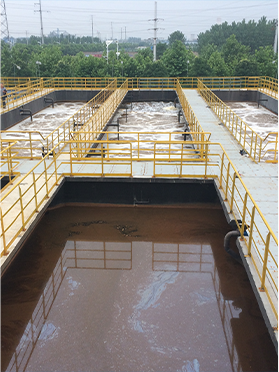
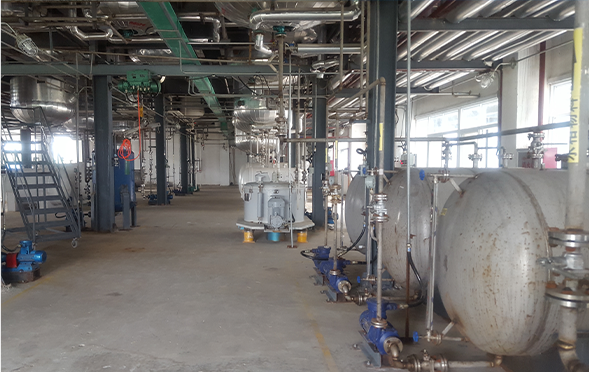
Professional Export Experience
to Global Customers
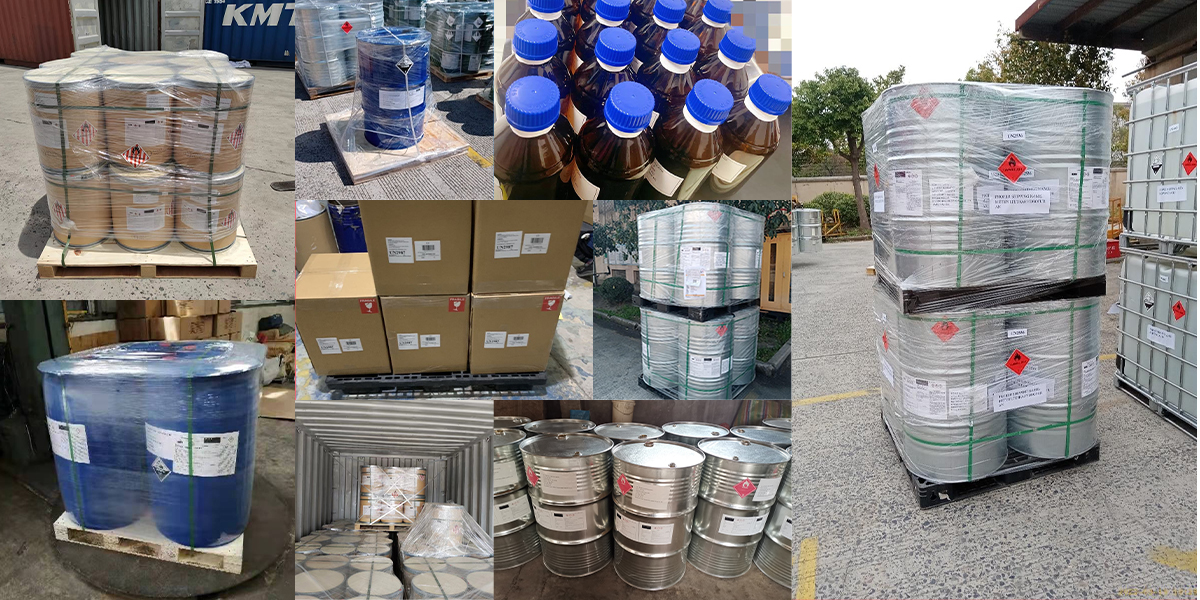
1. 20 years of R&D, manufacturing and sales experience, serving customers in 60 countries and regions around the world;
2. Own R&D laboratory, pilot platform and large-scale production workshop, which can meet the audit requirements of global customers;
3. We can satisfy customers' perfect transition from small scale lab requirements (gram level) to commercialization requirements (hundred tons level).
A: We don't have Minimum Order Quantity, exact quantity should be provided before quotation for us to calculate the exact cost.
A: We don't provide free samples due to lots of request and expensive international courier's cost, we can deduct the sample charge after commercial order placed.
A: Our payment terms: Small or sample order: T/T IN ADVANCE. Commercial order: First order should be by T/T IN ADVANCE or L/C at sight, and following orders T/T 30~90days is acceptable subject to approval of credit application.