
Custom Manufacturing, Project Outsourcing, your Trusted Partner from China
Polyurethane (PU) materials are renowned for their versatility, offering a wide range of properties from flexible foams to rigid plastics and durable sealants. However, like many organic polymers, polyurethanes are susceptible to degradation over time, particularly from oxidation. This degradation can compromise their mechanical properties, appearance, and overall performance. To ensure the longevity and reliability of polyurethane products, the incorporation of effective antioxidants is essential. This article highlights the importance of hindered phenolic antioxidants, such as 2,4-Bis(dodecylthiomethyl)-6-methylphenol (Antioxidant 1726), and explains why sourcing from a reputable manufacturer and supplier in China is a strategic advantage for businesses looking to buy these critical additives.
Understanding Polyurethane Degradation
The chemical structure of polyurethanes, which involves urethane linkages, can be susceptible to attack by oxygen and free radicals, especially when exposed to heat, UV light, and mechanical stress. This oxidative degradation can manifest as yellowing, surface cracking, loss of elasticity, and a general decline in physical strength. For applications like sealants, where flexibility and resilience are paramount, such degradation can lead to premature failure.
The Function of Hindered Phenolic Antioxidants in PU
Hindered phenolic antioxidants are a cornerstone in protecting polymers, including polyurethanes, from oxidative damage. Their mechanism involves donating a hydrogen atom to reactive free radicals, effectively terminating the chain reaction of degradation. The steric hindrance around the phenolic hydroxyl group offers several benefits:
Introducing 2,4-Bis(dodecylthiomethyl)-6-methylphenol (Antioxidant 1726)
2,4-Bis(dodecylthiomethyl)-6-methylphenol (CAS 110675-26-8) is a premier example of a multi-functional hindered phenolic antioxidant that offers significant advantages for polyurethane stabilization. As a trusted manufacturer and supplier, we emphasize its role in:
Strategic Sourcing from China: Your Competitive Edge
For companies worldwide looking to buy high-performance chemical additives, China offers a robust manufacturing base. By partnering with a reputable supplier like NINGBO INNO PHARMCHEM CO.,LTD., you gain access to:
Conclusion
The durability and aesthetic appeal of polyurethane products depend heavily on their resistance to degradation. Antioxidant 1726, or 2,4-Bis(dodecylthiomethyl)-6-methylphenol, is an indispensable additive for achieving superior stabilization. By choosing to buy from a qualified manufacturer and supplier, you ensure the quality and cost-effectiveness necessary to enhance your product offerings and gain a competitive edge in the market.
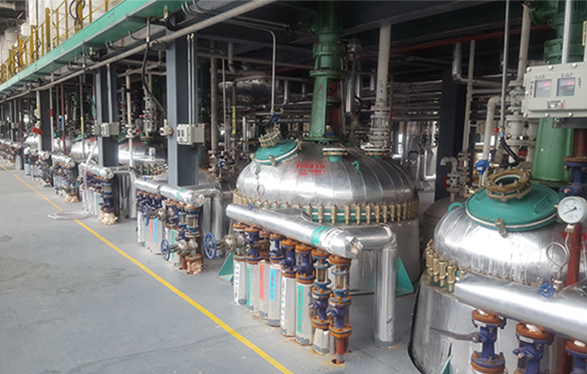
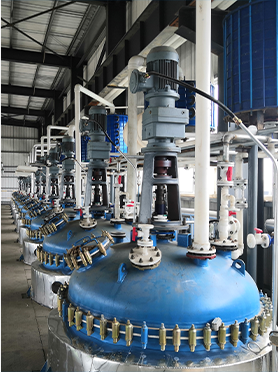
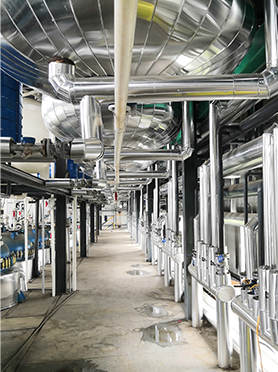
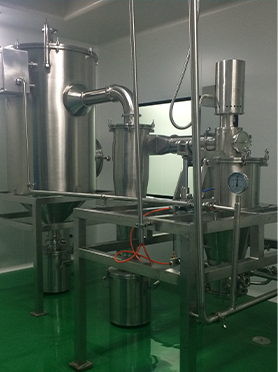
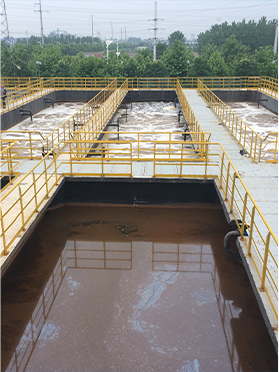
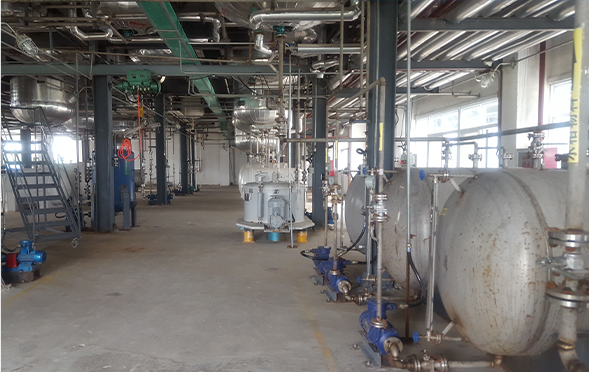
Manufacturing Facilities
Professional Export Experience
to Global Customers
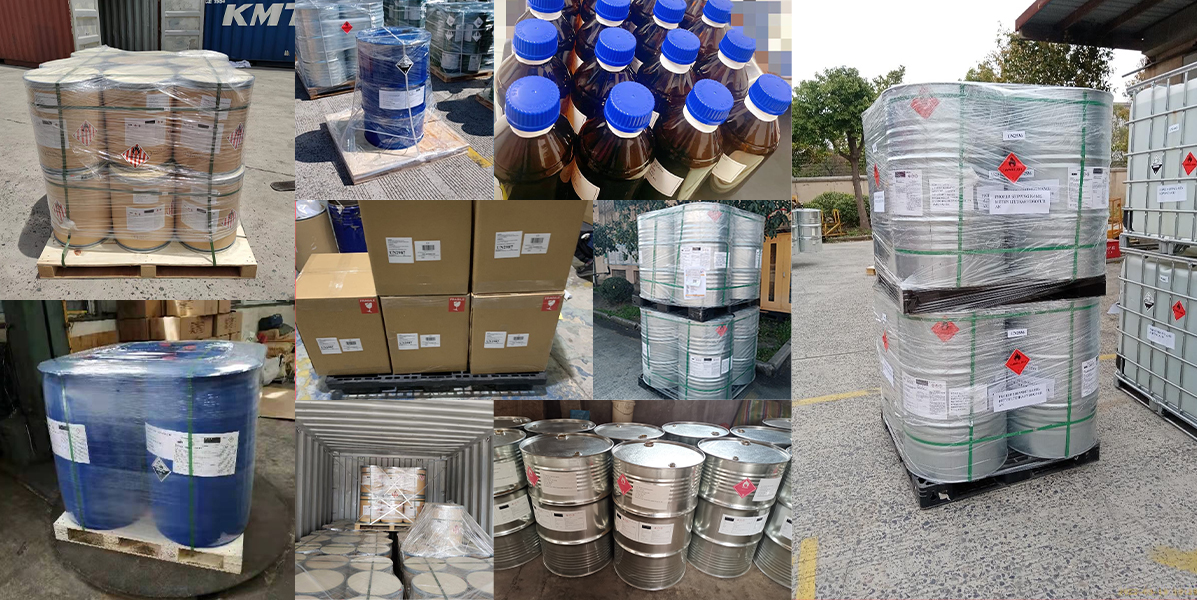
1. 20 years of R&D, manufacturing and sales experience, serving customers in 60 countries and regions around the world;
2. Own R&D laboratory, pilot platform and large-scale production workshop, which can meet the audit requirements of global customers;
3. We can satisfy customers' perfect transition from small scale lab requirements (gram level) to commercialization requirements (hundred tons level).
A: We don't have Minimum Order Quantity, exact quantity should be provided before quotation for us to calculate the exact cost.
A: We don't provide free samples due to lots of request and expensive international courier's cost, we can deduct the sample charge after commercial order placed.
A: Our payment terms: Small or sample order: T/T IN ADVANCE. Commercial order: First order should be by T/T IN ADVANCE or L/C at sight, and following orders T/T 30~90days is acceptable subject to approval of credit application.