Custom Manufacturing, Project Outsourcing, your Trusted Partner from China
Emulsion polymerization is a vital process for producing a wide range of polymers used in adhesives, coatings, and textiles. Within this process, Polyvinyl Alcohol (PVA) plays a critical role as a protective colloid, stabilizing the monomer droplets and the growing polymer particles. As a leading PVA manufacturer and supplier, we provide essential grades that ensure the success of your emulsion polymerization operations.
In emulsion polymerization, PVA works by adsorbing onto the surface of monomer droplets and polymer particles, providing steric stabilization. This prevents the particles from coalescing, leading to a stable latex dispersion with controlled particle size and morphology. The choice of PVA grade, particularly its molecular weight and degree of hydrolysis, significantly impacts its effectiveness in stabilizing the system. When you buy PVA from us, you are assured of grades optimized for this application.
Partially hydrolyzed PVA grades are often preferred in many emulsion polymerization systems, such as polyvinyl acetate (PVAc) latex production. These grades offer a good balance of water solubility and stabilizing efficiency. Fully hydrolyzed grades can also be used, sometimes offering enhanced film formation properties in the final latex. Our manufacturing expertise allows us to produce a variety of PVA types to suit diverse polymerization chemistries and desired latex properties.
The preparation of PVA solutions for emulsion polymerization also requires careful attention to detail. Ensuring complete dissolution through controlled heating is essential for uniform particle coverage and effective stabilization. We provide technical guidance to our customers on the best practices for dissolving PVA, ensuring optimal performance when they buy our products.
For companies engaged in emulsion polymerization, partnering with a dependable PVA supplier is key to maintaining product quality and consistency. We pride ourselves on our commitment to quality control, offering competitive pricing and a stable supply chain for all our PVA products. Contact us to discuss your emulsion polymerization needs and to explore how our high-quality Polyvinyl Alcohol can enhance your product formulations.
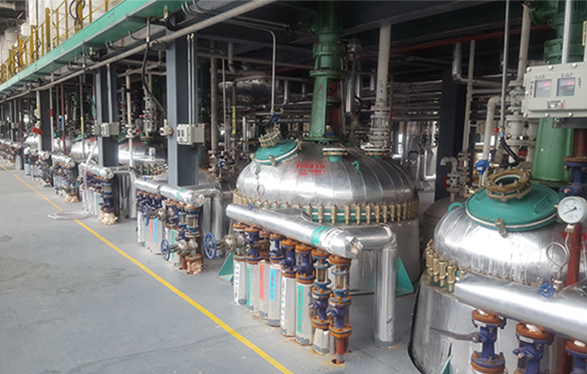
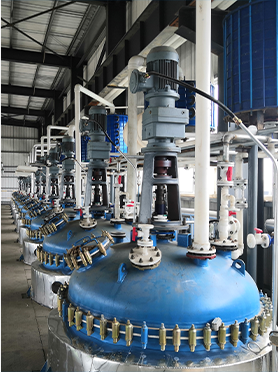
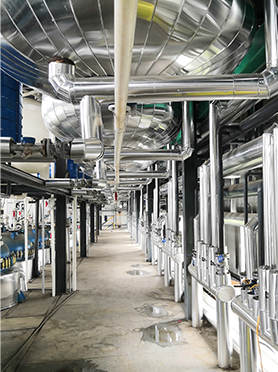
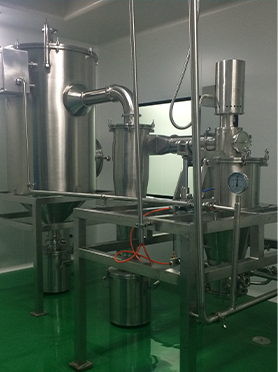
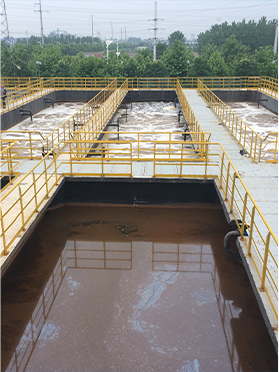
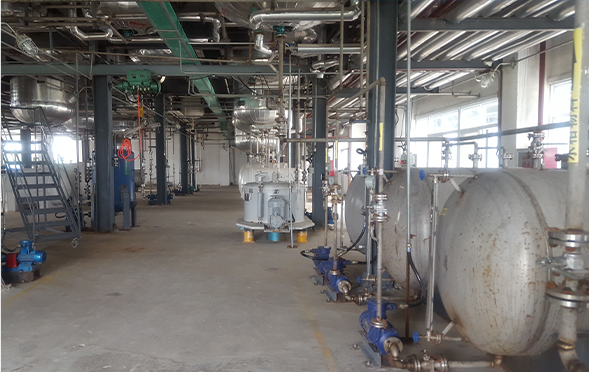
Manufacturing Facilities
Professional Export Experience
to Global Customers
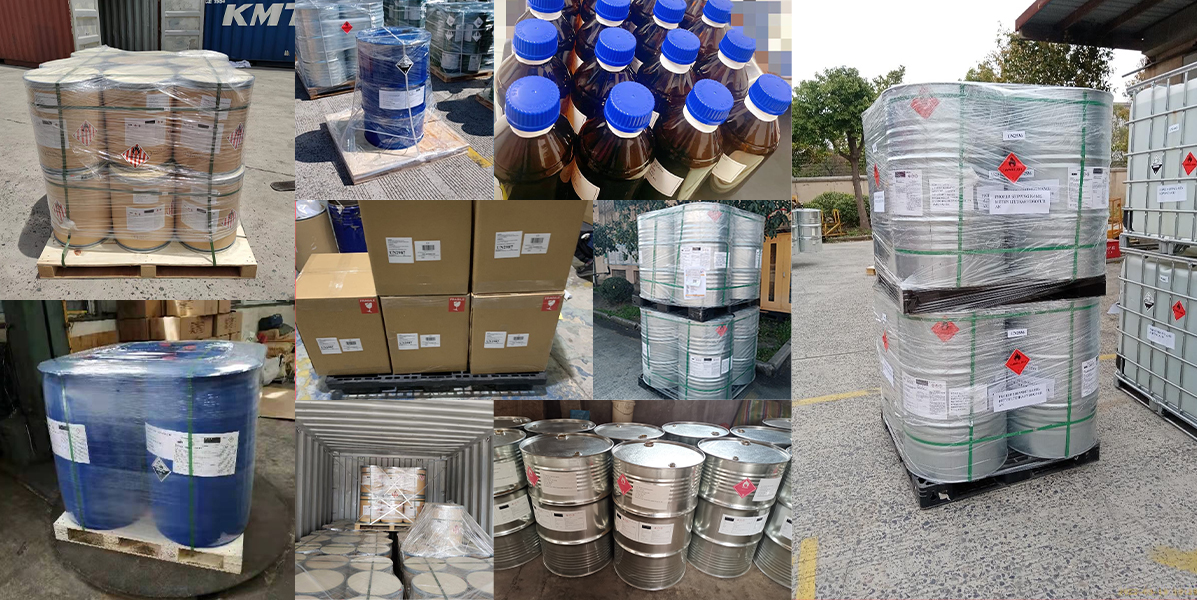
1. 20 years of R&D, manufacturing and sales experience, serving customers in 60 countries and regions around the world;
2. Own R&D laboratory, pilot platform and large-scale production workshop, which can meet the audit requirements of global customers;
3. We can satisfy customers' perfect transition from small scale lab requirements (gram level) to commercialization requirements (hundred tons level).
A: We don't have Minimum Order Quantity, exact quantity should be provided before quotation for us to calculate the exact cost.
A: We don't provide free samples due to lots of request and expensive international courier's cost, we can deduct the sample charge after commercial order placed.
A: Our payment terms: Small or sample order: T/T IN ADVANCE. Commercial order: First order should be by T/T IN ADVANCE or L/C at sight, and following orders T/T 30~90days is acceptable subject to approval of credit application.