
Custom Manufacturing, Project Outsourcing, your Trusted Partner from China
The quest for milder, more skin-friendly surfactants in cosmetic and personal care formulations has led to the rise of amino acid-based surfactants. Among these, Potassium Cocoyl Glycinate and Sodium Cocoyl Glycinate are frequently highlighted for their exceptional performance and gentleness. Both are derived from glycine and coconut fatty acids, sharing many beneficial properties. However, subtle differences in their chemical structures lead to distinct characteristics that can influence formulation decisions. As a key supplier of cosmetic raw materials, we aim to clarify these distinctions to help you buy the most suitable ingredient.
Shared Foundations: The Amino Acid Advantage
Before diving into the differences, it's important to recognize their common ground. Both Potassium Cocoyl Glycinate and Sodium Cocoyl Glycinate are:
These shared traits make both excellent choices for formulators looking to buy high-quality, gentle ingredients.
Key Differences: Solubility and Rinsability
The primary distinction often cited between Potassium Cocoyl Glycinate and Sodium Cocoyl Glycinate lies in their solubility and subsequent rinsability:
The choice between the two can depend on specific formulation goals and desired sensory profiles. When considering which to buy, think about whether enhanced solubility and effortless rinsing are critical differentiators for your product. Both offer excellent performance, but Potassium Cocoyl Glycinate often has a slight edge in these specific attributes.
Application Considerations
Both surfactants are widely used in:
When deciding, consider the overall desired texture, foam profile, and rinse-off characteristics you want to achieve. For instance, if you're aiming for a particularly light, quick-rinsing feel, Potassium Cocoyl Glycinate might be the more direct route.
Partnering with a Reliable Supplier
As a supplier of both Potassium and Sodium Cocoyl Glycinate from China, we ensure that both products meet stringent quality standards. Whether you decide to buy Potassium Cocoyl Glycinate for its enhanced solubility or Sodium Cocoyl Glycinate for its proven efficacy, you can trust our commitment to quality and consistency. We encourage you to request samples of both to test in your specific applications and determine the best fit for your brand.
Ultimately, the decision between Potassium Cocoyl Glycinate and Sodium Cocoyl Glycinate often comes down to subtle formulation nuances and desired sensory attributes. Both are outstanding choices for creating mild, high-performance personal care products. Contact us to learn more about our offerings and to get personalized recommendations for your next product development project.
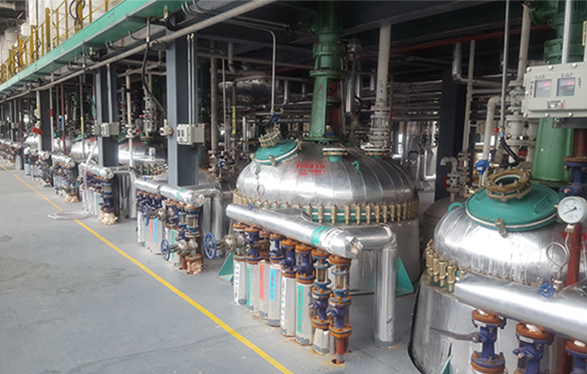
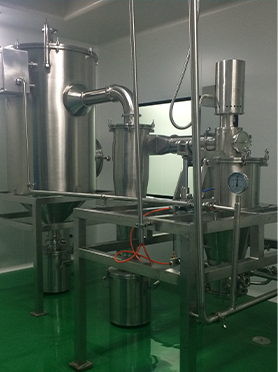
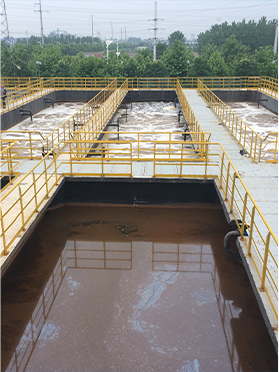
Manufacturing Facilities



Professional Export Experience
to Global Customers
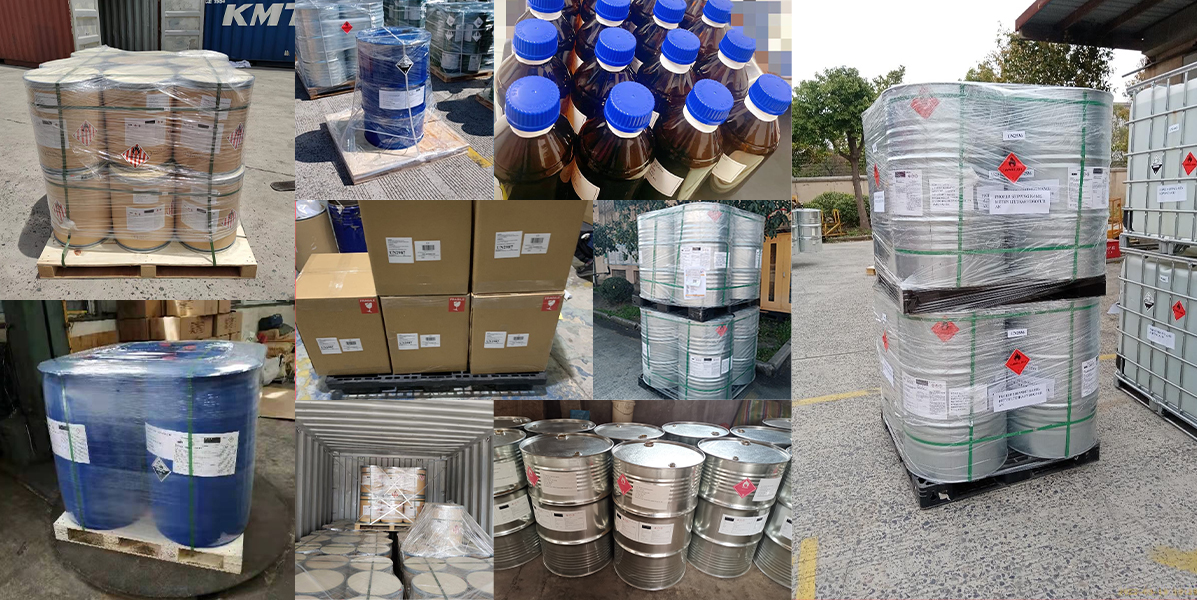
1. 20 years of R&D, manufacturing and sales experience, serving customers in 60 countries and regions around the world;
2. Own R&D laboratory, pilot platform and large-scale production workshop, which can meet the audit requirements of global customers;
3. We can satisfy customers' perfect transition from small scale lab requirements (gram level) to commercialization requirements (hundred tons level).
A: We don't have Minimum Order Quantity, exact quantity should be provided before quotation for us to calculate the exact cost.
A: We don't provide free samples due to lots of request and expensive international courier's cost, we can deduct the sample charge after commercial order placed.
A: Our payment terms: Small or sample order: T/T IN ADVANCE. Commercial order: First order should be by T/T IN ADVANCE or L/C at sight, and following orders T/T 30~90days is acceptable subject to approval of credit application.