
Custom Manufacturing, Project Outsourcing, your Trusted Partner from China
For procurement managers and agricultural specialists tasked with sourcing essential plant nutrients, the choice between different forms of potassium fertilizer is a critical decision. Two primary options often emerge: Potassium Sulfate (SOP) and Potassium Chloride (KCl), commonly known as Muriate of Potash. Understanding their distinct properties, benefits, and ideal applications is key to optimizing crop yields and managing input costs effectively. As a leading manufacturer and supplier in China, we aim to provide clarity on these choices.
Potassium is an indispensable macronutrient for plant growth, playing a vital role in water regulation, enzyme activation, photosynthesis, and stress resistance. Both SOP and KCl deliver this essential element, but their accompanying ions and overall chemical profiles lead to significant differences in their suitability for various crops and soil conditions.
Potassium Chloride (KCl) is the most widely used potassium fertilizer globally, largely due to its high potassium content (typically 60-63% K₂O) and its cost-effectiveness. It is a readily available and economical option for a broad range of crops, especially those that are tolerant to chloride. However, its primary drawback is its chloride content. For certain crops, particularly those in the fruit, vegetable, and tobacco families, chloride can be detrimental, leading to reduced quality, lower yields, and increased susceptibility to diseases. Furthermore, in soils with existing salinity issues or when irrigated with high-chloride water, KCl can exacerbate salt buildup.
Potassium Sulfate (K₂SO₄), often referred to as Sulfate of Potash (SOP), offers a premium alternative. While it contains a slightly lower percentage of potassium (typically 50-52% K₂O) compared to KCl, it brings two significant advantages: it is chloride-free and it provides essential sulfur. This chloride-free nature makes SOP the preferred choice for chloride-sensitive crops such as potatoes, tobacco, citrus, grapes, and certain vegetables. By avoiding chloride, SOP prevents the negative impacts on crop quality and yield that KCl can cause in these sensitive species. The added sulfur is also a crucial secondary nutrient, vital for protein synthesis, enzyme activity, and overall plant health, especially for oilseed crops and legumes.
As a buyer looking for the best value and performance, consider the following:
When sourcing either Potassium Sulfate or Potassium Chloride, partnering with a reliable manufacturer and supplier is paramount. We, as a dedicated Potassium Sulfate manufacturer and supplier in China, ensure high-purity products, consistent quality, and competitive pricing. Whether you need bulk quantities of Sulfate of Potash for large-scale agricultural operations or specialty grades for industrial applications, we are equipped to meet your demands. Understanding the nuances between these potassium sources allows us to serve our clients better, providing solutions that align with their specific needs. For farmers and industrial buyers, making an informed choice about your potassium source can significantly impact profitability and product quality. We encourage you to request a quote for our premium Potassium Sulfate and experience the difference.
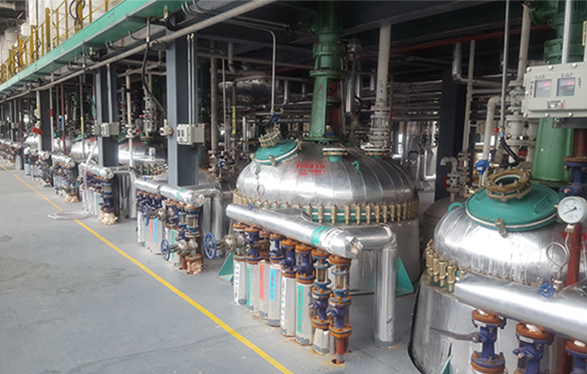
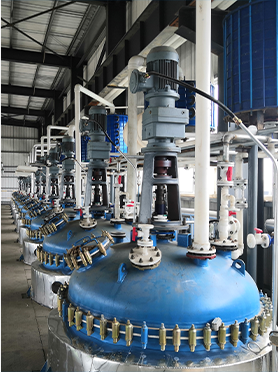
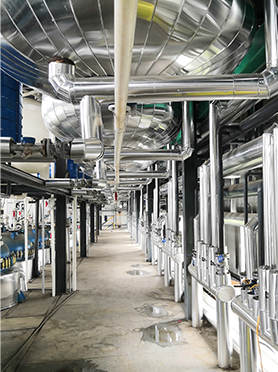
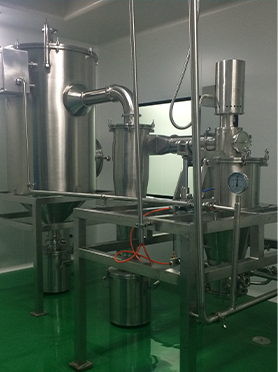
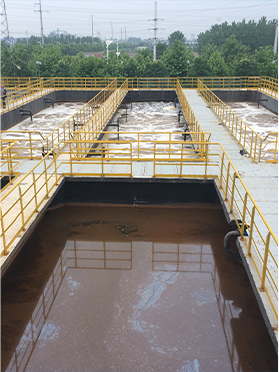
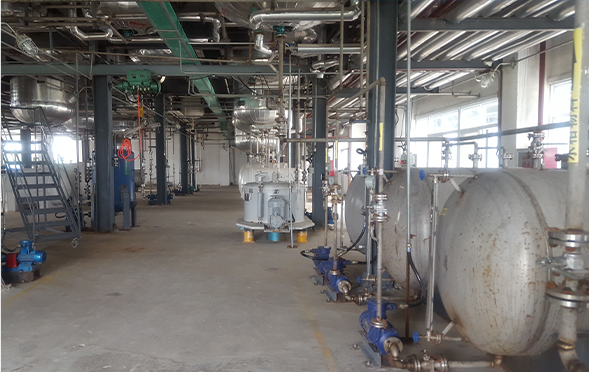
Manufacturing Facilities
Professional Export Experience
to Global Customers
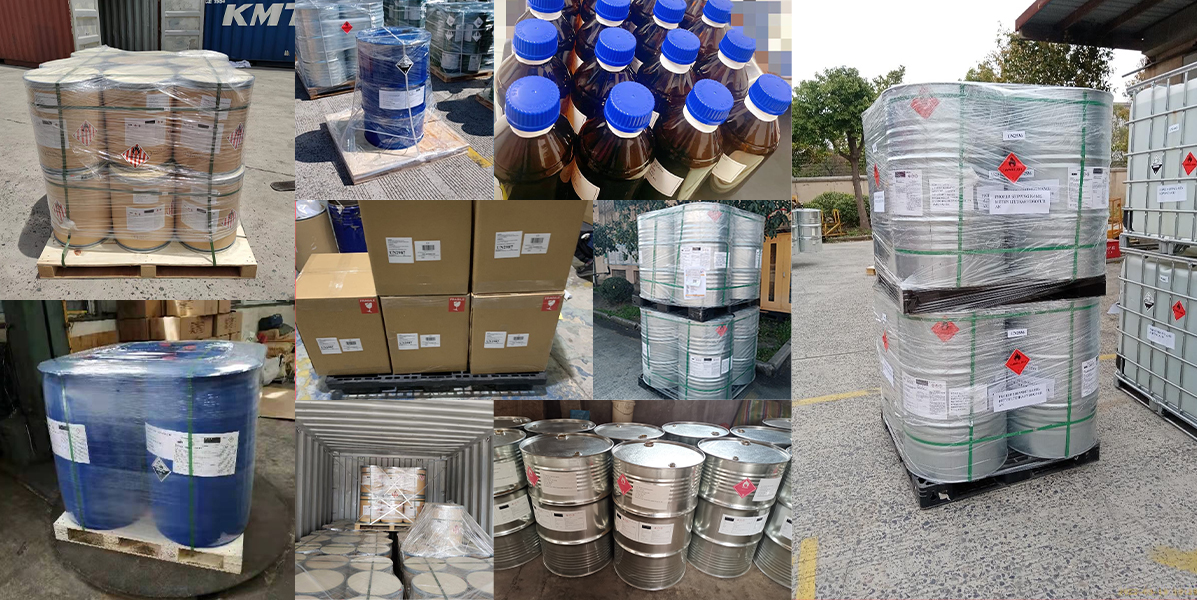
1. 20 years of R&D, manufacturing and sales experience, serving customers in 60 countries and regions around the world;
2. Own R&D laboratory, pilot platform and large-scale production workshop, which can meet the audit requirements of global customers;
3. We can satisfy customers' perfect transition from small scale lab requirements (gram level) to commercialization requirements (hundred tons level).
A: We don't have Minimum Order Quantity, exact quantity should be provided before quotation for us to calculate the exact cost.
A: We don't provide free samples due to lots of request and expensive international courier's cost, we can deduct the sample charge after commercial order placed.
A: Our payment terms: Small or sample order: T/T IN ADVANCE. Commercial order: First order should be by T/T IN ADVANCE or L/C at sight, and following orders T/T 30~90days is acceptable subject to approval of credit application.