
Custom Manufacturing, Project Outsourcing, your Trusted Partner from China
When it comes to fertilizing crops with potassium, farmers often face a choice between potassium chloride (KCl), also known as Muriate of Potash (MOP), and potassium sulfate (K2SO4), or Sulfate of Potash (SOP). While both provide the essential nutrient potassium, their chemical composition, effects on crops, and suitability for different agricultural scenarios vary significantly. Understanding these differences is crucial for optimizing crop nutrition and ensuring sustainable farming practices. We, as a manufacturer of high-quality potassium sulfate, aim to provide clarity on these distinctions.
Potassium chloride is the most common and cost-effective source of potassium fertilizer. It typically contains around 60-62% potassium and is highly soluble, making it readily available to plants. However, its high chloride content is a significant drawback for certain crops. Chloride can accumulate in plant tissues, leading to physiological stress, reduced quality, and lower yields in sensitive species such as tobacco, grapes, citrus fruits, potatoes, and some vegetables. The presence of chloride can also negatively impact soil structure and microbial activity in some cases. Therefore, for growers of these crops, KCl may not be the optimal choice, even if it is cheaper to purchase.
Potassium sulfate, on the other hand, offers a chloride-free source of potassium. It typically contains about 50-52% potassium and 17-18% sulfur. The absence of chloride makes it ideal for sensitive crops, preventing the toxic effects associated with chloride accumulation. Furthermore, the added sulfur is a beneficial nutrient in its own right, essential for protein synthesis, enzyme activity, and chlorophyll production. This dual nutrient provision can lead to improved crop quality, enhanced disease resistance, and better overall plant health. While potassium sulfate may be more expensive per unit of potassium than KCl, its benefits for specific crops and its positive impact on soil health often justify the investment. For farmers looking to buy effective potassium sulfate, understanding its application benefits is key.
The choice between KCl and K2SO4 also depends on soil conditions and application methods. In situations where chloride levels in the soil are already high, or when using irrigation systems that can exacerbate salt buildup, K2SO4 is a safer and more sustainable option. For growers who need to supplement with both potassium and sulfur, K2SO4 provides an efficient combined solution. When considering where to buy potassium sulfate, it is important to partner with a reliable supplier who can guarantee the product's purity and consistency. We are committed to providing high-quality potassium sulfate to the agricultural sector, supporting farmers in achieving optimal yields and crop quality through informed nutrient management.
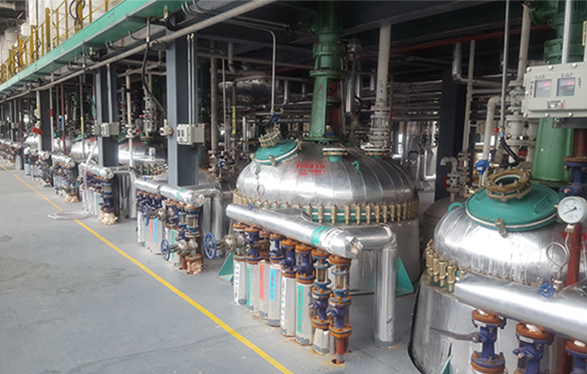
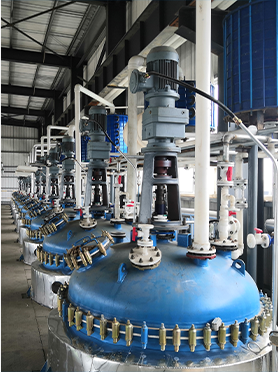
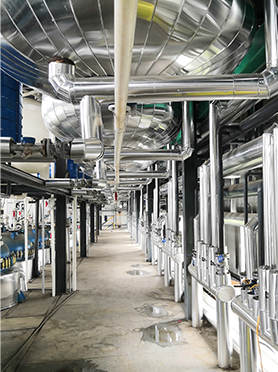
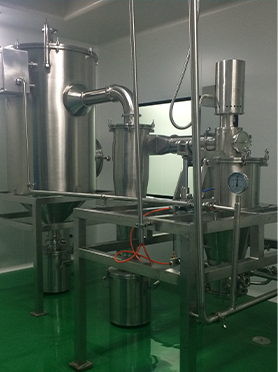
Manufacturing Facilities
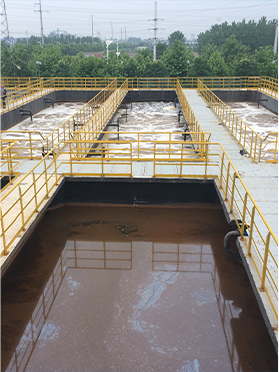
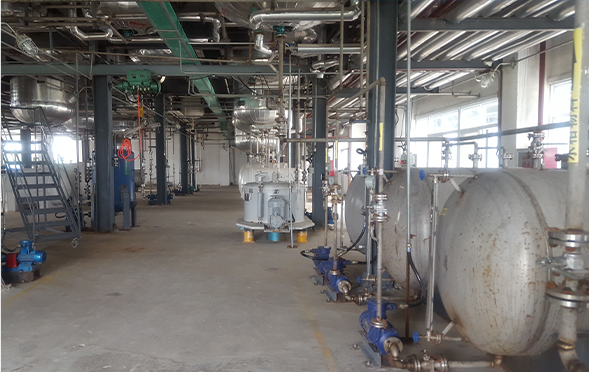
Professional Export Experience
to Global Customers
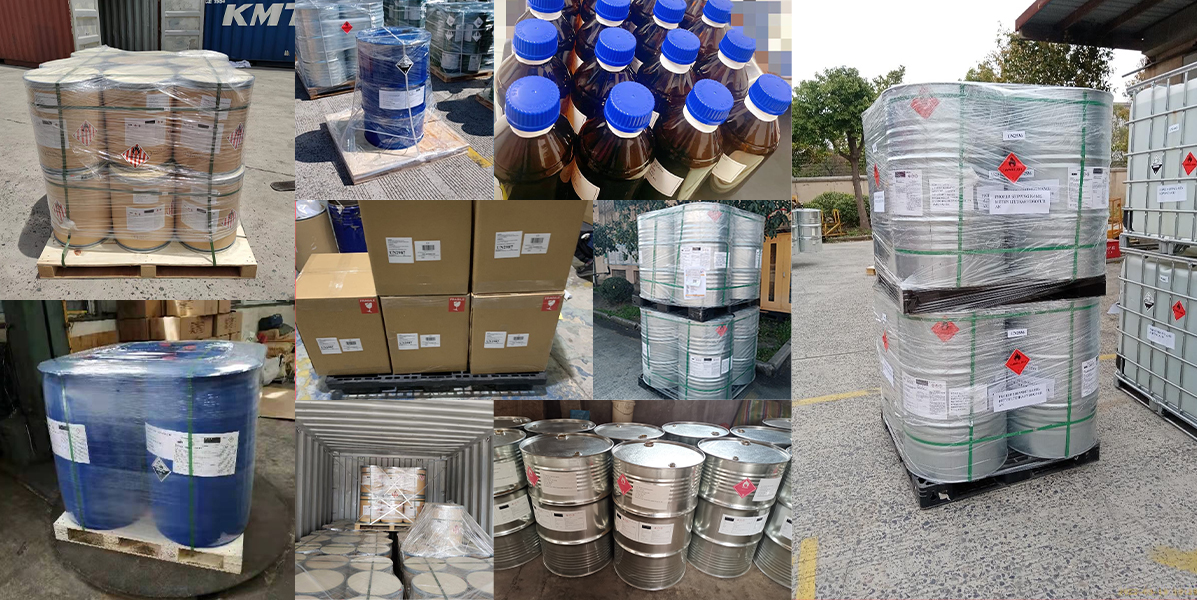
1. 20 years of R&D, manufacturing and sales experience, serving customers in 60 countries and regions around the world;
2. Own R&D laboratory, pilot platform and large-scale production workshop, which can meet the audit requirements of global customers;
3. We can satisfy customers' perfect transition from small scale lab requirements (gram level) to commercialization requirements (hundred tons level).
A: We don't have Minimum Order Quantity, exact quantity should be provided before quotation for us to calculate the exact cost.
A: We don't provide free samples due to lots of request and expensive international courier's cost, we can deduct the sample charge after commercial order placed.
A: Our payment terms: Small or sample order: T/T IN ADVANCE. Commercial order: First order should be by T/T IN ADVANCE or L/C at sight, and following orders T/T 30~90days is acceptable subject to approval of credit application.