
Custom Manufacturing, Project Outsourcing, your Trusted Partner from China
In the dynamic field of chemical synthesis, predicting the reactivity and selectivity of organic molecules is key to developing efficient and novel pathways. For intermediates like 2-(3-Bromophenyl)pyridine (CAS: 4373-60-8), understanding its behavior in crucial reactions such as palladium-catalyzed cross-couplings is vital. Density Functional Theory (DFT) offers a powerful computational lens to gain these insights. NINGBO INNO PHARMCHEM CO.,LTD., as a leading chemical supplier, leverages such advanced methodologies to better serve our clients.
Density Functional Theory (DFT) and Reactivity Prediction
DFT calculations allow chemists to model molecular structures and electronic properties with remarkable accuracy. For reactivity prediction, key tools include Frontier Molecular Orbital (FMO) theory and Molecular Electrostatic Potential (MEP) mapping. FMO theory examines the Highest Occupied Molecular Orbital (HOMO) and Lowest Unoccupied Molecular Orbital (LUMO). The HOMO-LUMO gap provides an indication of kinetic stability and reactivity; a smaller gap generally means higher reactivity. The MEP map visualizes electron-rich (negative potential, red) and electron-poor (positive potential, blue) regions, predicting sites for nucleophilic and electrophilic attack, respectively.
Predicting Cross-Coupling Efficiency
In reactions like the Suzuki-Miyaura coupling, the reactivity of the aryl halide (in this case, the bromophenyl moiety) with the palladium catalyst is critical. DFT can predict the charge distribution at the bromine-bearing carbon atom, which directly influences the efficiency of the initial oxidative addition step by the palladium catalyst. Furthermore, calculated Fukui indices, derived from DFT, can accurately predict the preferred sites for nucleophilic attack on the molecule. Experimental data, such as 13C NMR chemical shifts, often correlate well with these computed indices, validating the predictive power of DFT in determining regioselectivity for reactions involving intermediates like 2-(3-Bromophenyl)pyridine.
Global Reactivity Descriptors for Comparative Analysis
Beyond FMO and MEP, DFT can compute global reactivity descriptors such as chemical hardness and electrophilicity index. Chemical hardness quantifies a molecule's resistance to electron deformation, while the electrophilicity index measures its tendency to accept electrons. A higher electrophilicity index indicates a greater capacity to act as an electrophile. By comparing these descriptors across different pyridine derivatives, researchers can effectively rank their reactivity and predict their behavior in various synthetic transformations. This predictive capability is invaluable when you need to buy specific intermediates for your projects.
Partner with NINGBO INNO PHARMCHEM CO.,LTD. for Insightful Sourcing
At NINGBO INNO PHARMCHEM CO.,LTD., we understand that providing high-quality chemicals is only part of our service. We aim to equip our clients with the knowledge to best utilize our products. By leveraging advanced computational chemistry, we ensure the intermediates we supply, such as 2-(3-Bromophenyl)pyridine, are well-characterized and their reactivity understood, facilitating your research and development success.
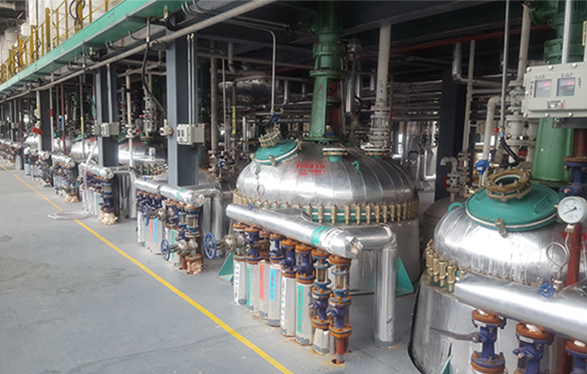
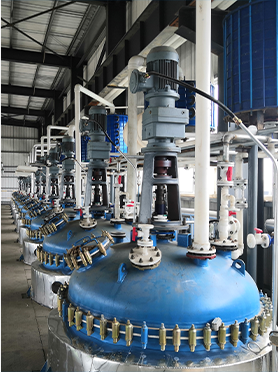
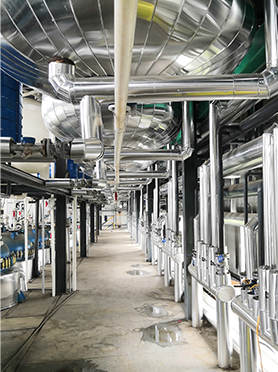
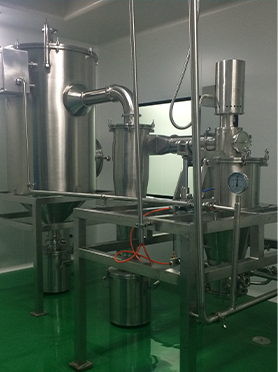
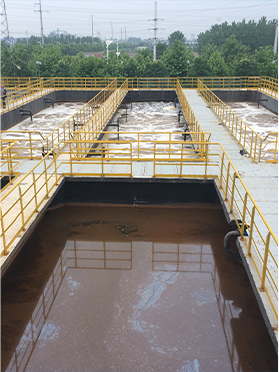
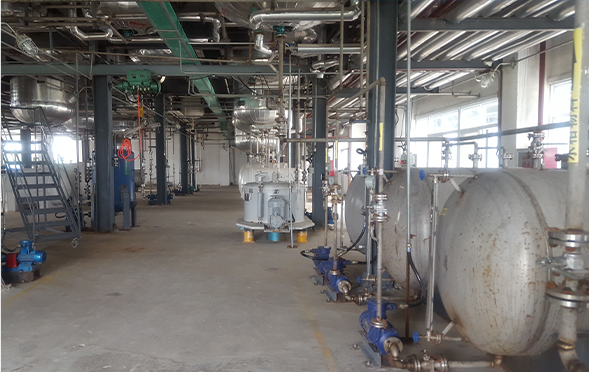
Manufacturing Facilities
Professional Export Experience
to Global Customers
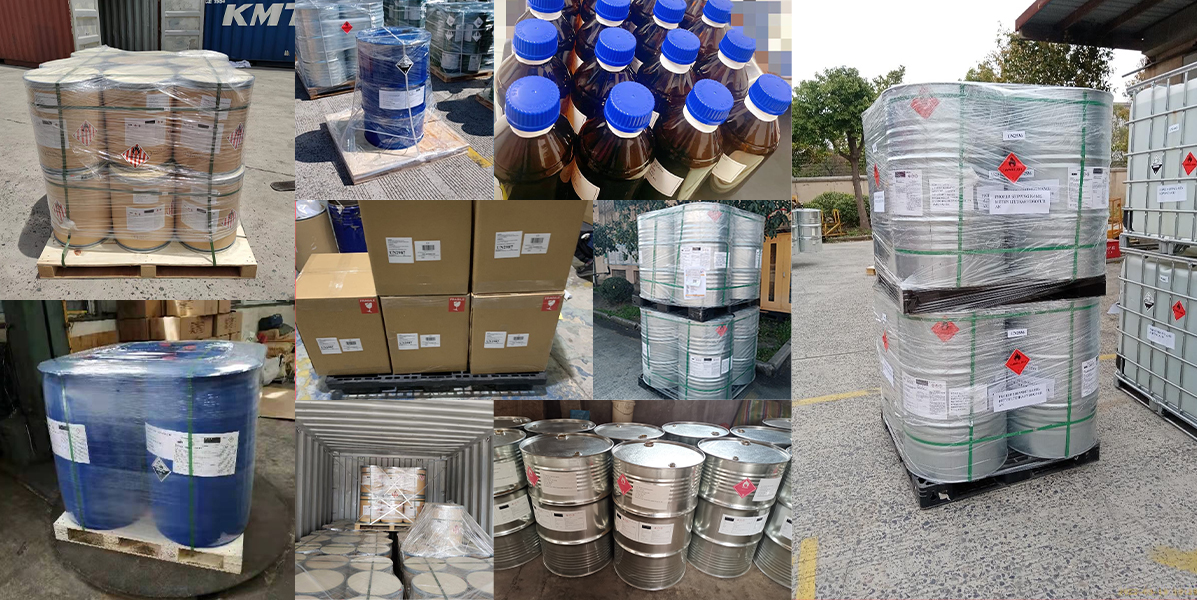
1. 20 years of R&D, manufacturing and sales experience, serving customers in 60 countries and regions around the world;
2. Own R&D laboratory, pilot platform and large-scale production workshop, which can meet the audit requirements of global customers;
3. We can satisfy customers' perfect transition from small scale lab requirements (gram level) to commercialization requirements (hundred tons level).
A: We don't have Minimum Order Quantity, exact quantity should be provided before quotation for us to calculate the exact cost.
A: We don't provide free samples due to lots of request and expensive international courier's cost, we can deduct the sample charge after commercial order placed.
A: Our payment terms: Small or sample order: T/T IN ADVANCE. Commercial order: First order should be by T/T IN ADVANCE or L/C at sight, and following orders T/T 30~90days is acceptable subject to approval of credit application.