
Custom Manufacturing, Project Outsourcing, your Trusted Partner from China
For procurement managers and industry stakeholders, understanding the factors that influence the price of Bis(2-ethylhexyl) Phthalate (DEHP), CAS No. 117-81-7, is crucial for effective budgeting and strategic sourcing. As a widely used plasticizer for PVC and a versatile chemical auxiliary agent, the DEHP market is influenced by a complex interplay of raw material costs, production capacities, global demand, and regulatory landscapes. Sourcing from manufacturers and suppliers in China, a dominant global producer, offers significant insights into these dynamics.
The primary determinant of DEHP price is the cost of its key raw materials, particularly phthalic anhydride and 2-ethylhexanol. Fluctuations in the petrochemical market, which supplies these precursors, directly impact the production cost of DEHP. When the prices of crude oil and its derivatives rise, the cost of manufacturing DEHP tends to increase, leading to higher prices for buyers. Conversely, a downturn in raw material prices can result in more favorable DEHP pricing.
Production capacity and utilization rates also play a significant role. Large-scale manufacturers in China benefit from economies of scale, often allowing them to offer more competitive prices. However, shifts in market demand, driven by the growth of industries that heavily utilize PVC—such as construction, automotive, and consumer goods—can affect pricing. High demand typically leads to increased production, which can stabilize or even reduce prices if capacity is readily available. Conversely, sudden surges in demand or production disruptions can drive prices upward.
Global regulatory environments can also indirectly influence DEHP pricing. While DEHP remains a primary plasticizer in many regions, evolving regulations concerning certain phthalates in specific applications (e.g., toys, medical devices) can shift demand towards alternative plasticizers. However, its widespread use in industrial PVC applications ensures continued demand. Buyers looking to purchase DEHP should stay informed about regional regulations that might affect its availability or demand in their target markets.
When engaging with suppliers in China for DEHP, buyers should seek detailed quotes that clearly outline the price per unit (e.g., per kilogram or metric ton) and any associated costs. Factors like order volume, packaging requirements (e.g., 25kg or 200kg drums), and Incoterms for shipping (e.g., FOB, CIF) will significantly influence the final price. For large-scale procurement, negotiating long-term supply agreements can often secure more stable and competitive pricing.
In essence, the price of Bis(2-ethylhexyl) Phthalate is a dynamic figure influenced by raw material economics, production efficiencies, market demand, and regulatory factors. By understanding these elements and working closely with reliable Chinese manufacturers and suppliers, procurement professionals can effectively navigate the DEHP market and secure a cost-effective supply of this essential chemical.
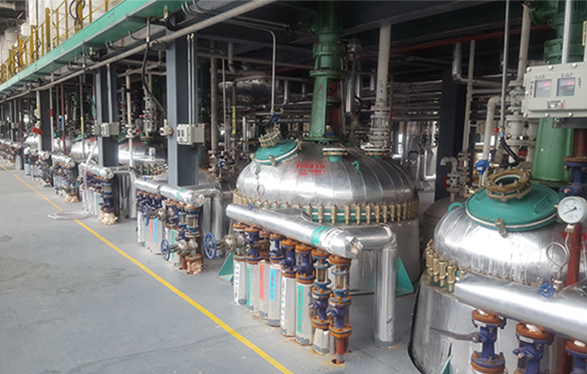
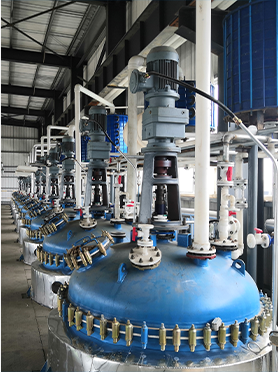
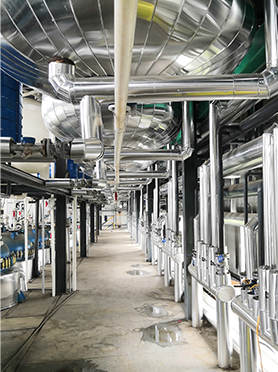
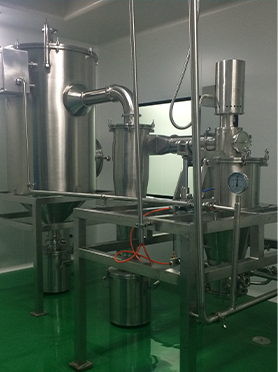
Manufacturing Facilities
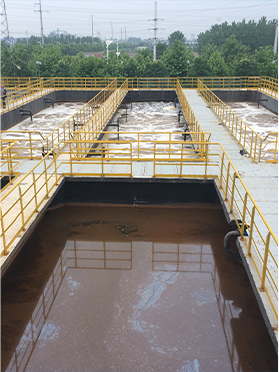
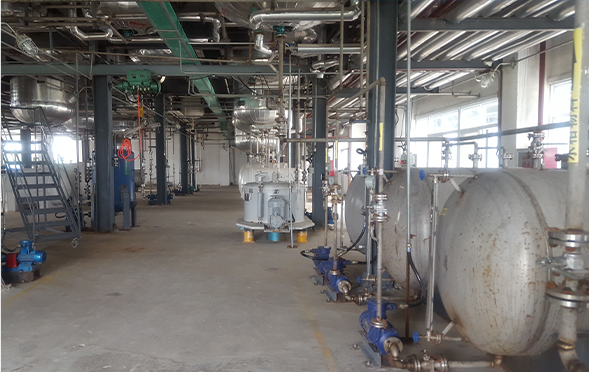
Professional Export Experience
to Global Customers
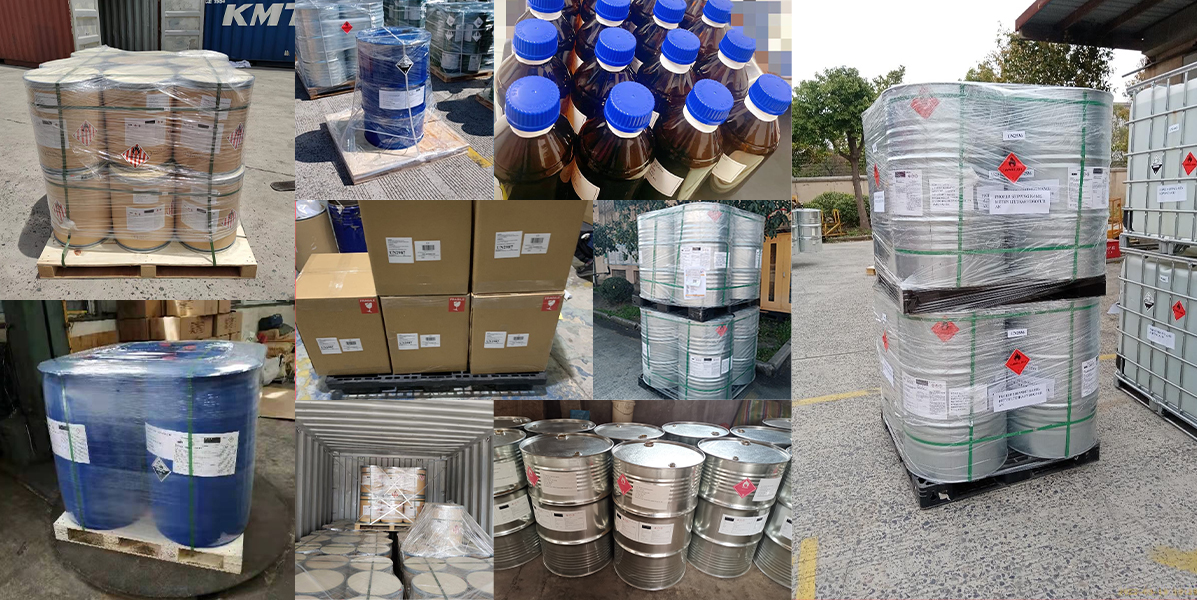
1. 20 years of R&D, manufacturing and sales experience, serving customers in 60 countries and regions around the world;
2. Own R&D laboratory, pilot platform and large-scale production workshop, which can meet the audit requirements of global customers;
3. We can satisfy customers' perfect transition from small scale lab requirements (gram level) to commercialization requirements (hundred tons level).
A: We don't have Minimum Order Quantity, exact quantity should be provided before quotation for us to calculate the exact cost.
A: We don't provide free samples due to lots of request and expensive international courier's cost, we can deduct the sample charge after commercial order placed.
A: Our payment terms: Small or sample order: T/T IN ADVANCE. Commercial order: First order should be by T/T IN ADVANCE or L/C at sight, and following orders T/T 30~90days is acceptable subject to approval of credit application.