
Custom Manufacturing, Project Outsourcing, your Trusted Partner from China
For procurement professionals and R&D chemists, understanding the pricing dynamics of key chemical intermediates is crucial for effective budgeting and strategic sourcing. 3-Bromobenzyl Chloride (CAS 932-77-4), a versatile building block, has its price influenced by a multitude of factors. This guide aims to shed light on these factors, helping buyers make informed decisions when they decide to buy.
Core Factors Influencing Price:
1. Raw Material Costs: The production of 3-Bromobenzyl Chloride relies on precursor chemicals. Fluctuations in the global prices of these raw materials, such as bromine and toluene derivatives, directly impact the manufacturing cost and, subsequently, the selling price of the intermediate. Global commodity market trends and supply chain disruptions for these base chemicals can lead to price volatility.
2. Purity Levels and Quality Standards: As discussed previously, purity is a major price determinant. Higher purity grades (e.g., 98% or 99%+) that meet stringent pharmaceutical standards (USP, BP, FCC) command higher prices than technical-grade materials. The cost associated with achieving and verifying these higher purity levels, including rigorous quality control measures and specialized purification processes, is reflected in the price.
3. Manufacturing Scale and Efficiency: Manufacturers that operate at larger scales often benefit from economies of scale, leading to lower per-unit production costs. Advanced, efficient manufacturing processes can also reduce waste and energy consumption, contributing to more competitive pricing. Buyers should look for manufacturers with well-established, high-capacity production lines.
4. Market Demand and Supply: Like any commodity, the price of 3-Bromobenzyl Chloride is subject to the fundamental economic principles of supply and demand. High demand from burgeoning pharmaceutical or agrochemical sectors, coupled with limited supply due to production issues or raw material shortages, will drive prices upward. Conversely, oversupply or reduced demand can lead to price decreases.
5. Geographical Production Hubs: China, as a major global supplier, often offers competitive pricing due to its extensive chemical manufacturing infrastructure, labor costs, and government support for the industry. However, global logistics, shipping costs, tariffs, and import duties can add to the final price for buyers in other regions.
6. Supplier Markup and Value-Added Services: Distributors and trading companies add their own markups to the manufacturer's price. These markups cover their operational costs, inventory management, marketing, and customer service. However, they often provide convenience, consolidated shipping, and quicker access to materials for international buyers.
Strategies for Optimizing Your Purchase:
By understanding these pricing factors and employing smart procurement strategies, businesses can effectively manage their expenditure on 3-Bromobenzyl Chloride, ensuring they buy high-quality material at a fair market price.
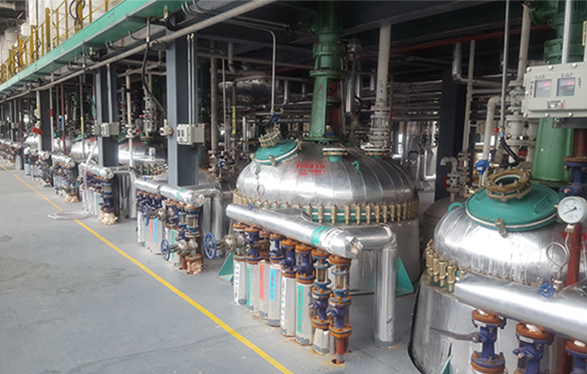
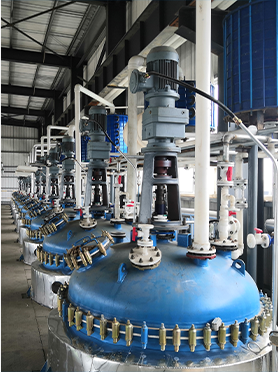
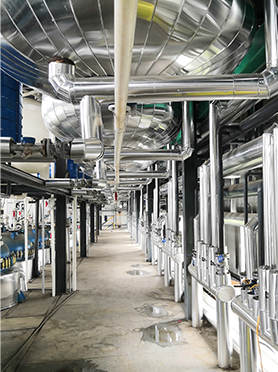
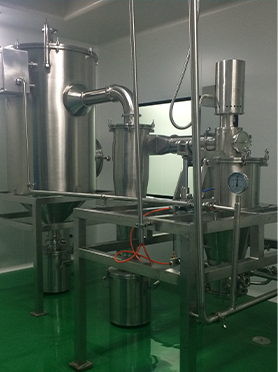
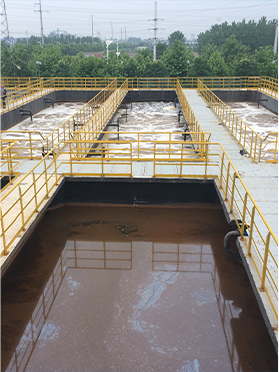
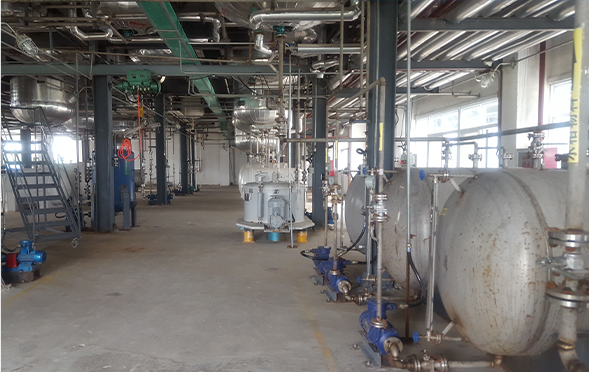
Manufacturing Facilities
Professional Export Experience
to Global Customers
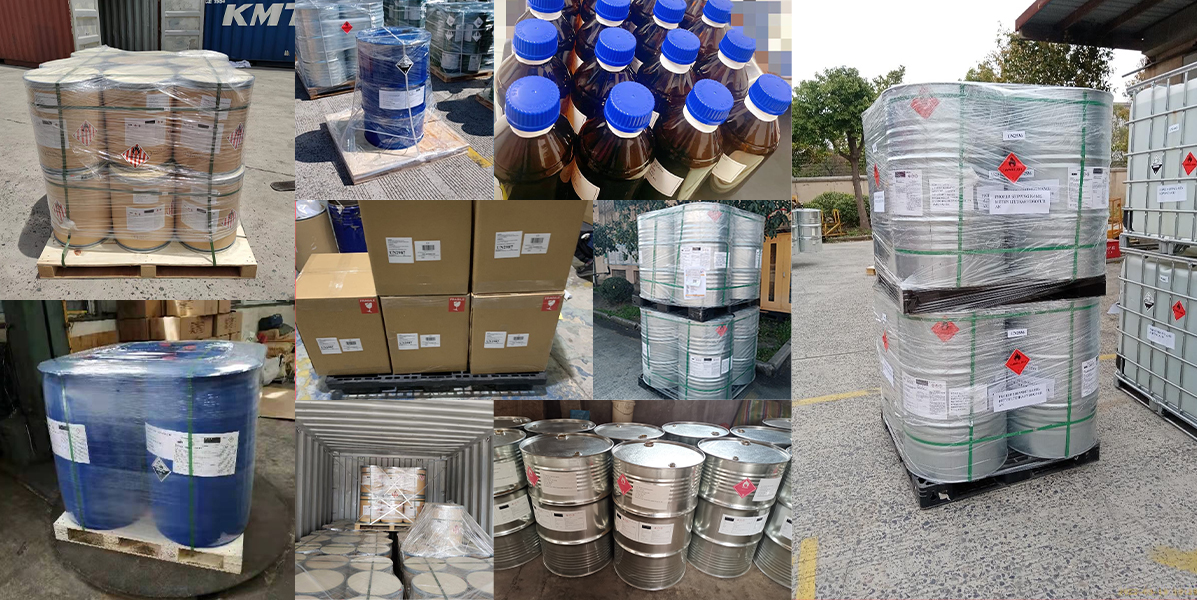
1. 20 years of R&D, manufacturing and sales experience, serving customers in 60 countries and regions around the world;
2. Own R&D laboratory, pilot platform and large-scale production workshop, which can meet the audit requirements of global customers;
3. We can satisfy customers' perfect transition from small scale lab requirements (gram level) to commercialization requirements (hundred tons level).
A: We don't have Minimum Order Quantity, exact quantity should be provided before quotation for us to calculate the exact cost.
A: We don't provide free samples due to lots of request and expensive international courier's cost, we can deduct the sample charge after commercial order placed.
A: Our payment terms: Small or sample order: T/T IN ADVANCE. Commercial order: First order should be by T/T IN ADVANCE or L/C at sight, and following orders T/T 30~90days is acceptable subject to approval of credit application.