
Custom Manufacturing, Project Outsourcing, your Trusted Partner from China
For procurement managers and research scientists operating in the rapidly evolving field of organic electronics, securing high-quality chemical intermediates is a critical operational challenge. Among these vital materials, 2-(3-Bromobiphenyl)-3-yl-4,6-diphenyl-1,3,5-triazine (CAS: 1606981-69-4) stands out as a key component in the development of advanced OLED devices. This article serves as a practical guide to understanding its importance, technical specifications, and the strategic considerations for purchasing this specialized chemical from reputable manufacturers, especially those based in China.
Understanding the Chemical: 2-(3-Bromobiphenyl)-3-yl-4,6-diphenyl-1,3,5-triazine
This complex organic molecule belongs to the triazine family, known for its robust chemical structure and versatile electronic properties. Its specific arrangement of phenyl and bromobiphenyl groups attached to a triazine core makes it an excellent candidate for various roles within an OLED stack. The molecular formula C27H18BrN3 and molecular weight of approximately 464.36 are standard identifiers, but the true value lies in its purity and performance characteristics. When you are looking to buy this intermediate, you'll typically find it specified with a minimum purity of 99.5%.
Key Specifications and Why They Matter for OLEDs:
The primary specification that drives the purchase decision for 2-(3-Bromobiphenyl)-3-yl-4,6-diphenyl-1,3,5-triazine is its purity. For OLED applications, even minute impurities can significantly degrade device performance by:
Therefore, sourcing from a manufacturer that can consistently deliver material with an assay of ≥99.5% is non-negotiable. Furthermore, understanding details like TGA (Thermogravimetric Analysis) and LOD (Loss on Drying) can provide additional insights into material stability and suitability for vacuum deposition processes common in OLED manufacturing.
Applications and Performance Benefits:
The utility of 2-(3-Bromobiphenyl)-3-yl-4,6-diphenyl-1,3,5-triazine in OLEDs is multifaceted:
Researchers and product formulators are constantly seeking suppliers who can provide materials that meet these demanding requirements, often looking for competitive pricing and reliable availability.
Strategic Sourcing from China:
China has become a global hub for the production of advanced chemical intermediates, including those for the OLED industry. When procuring 2-(3-Bromobiphenyl)-3-yl-4,6-diphenyl-1,3,5-triazine, partnering with established Chinese manufacturers offers several advantages:
When evaluating potential suppliers, always request detailed product specifications, CAS numbers, purity reports (CoA), and inquire about packaging options and minimum order quantities. For procurement managers, understanding the lead times and logistics involved in importing these materials is also a critical aspect of the purchasing process.
In conclusion, the successful development and mass production of next-generation OLED displays depend on the quality and availability of intermediates like 2-(3-Bromobiphenyl)-3-yl-4,6-diphenyl-1,3,5-triazine. By focusing on purity, understanding application needs, and engaging with trusted manufacturers, procurement professionals can ensure their projects are built on a foundation of superior materials.
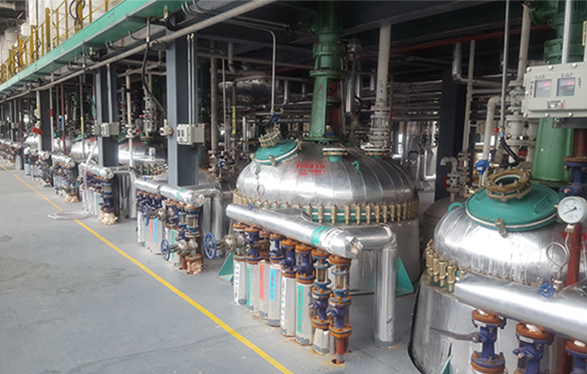
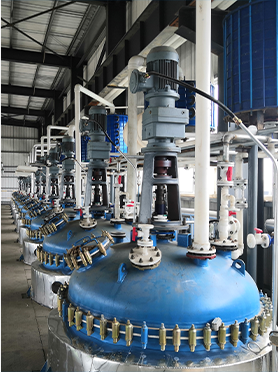
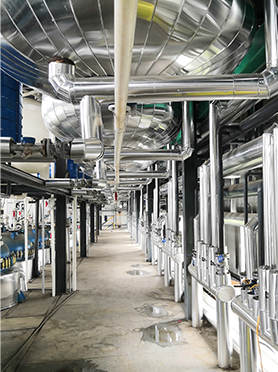
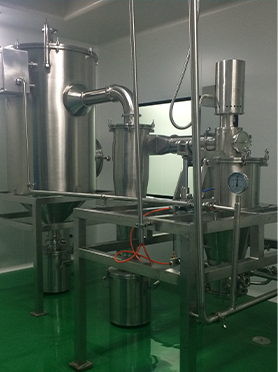
Manufacturing Facilities
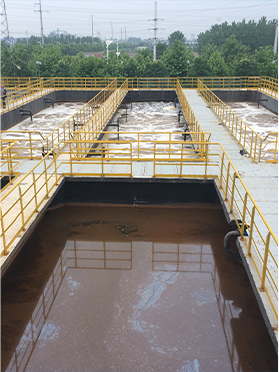
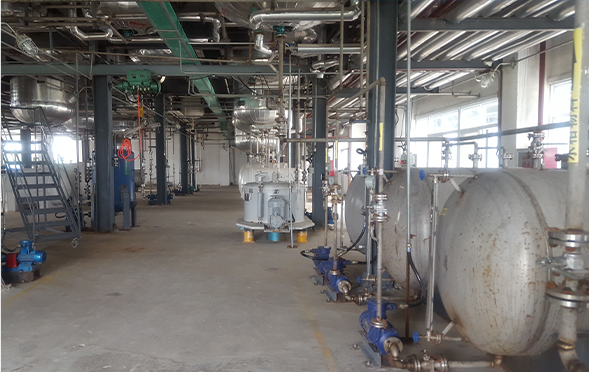
Professional Export Experience
to Global Customers
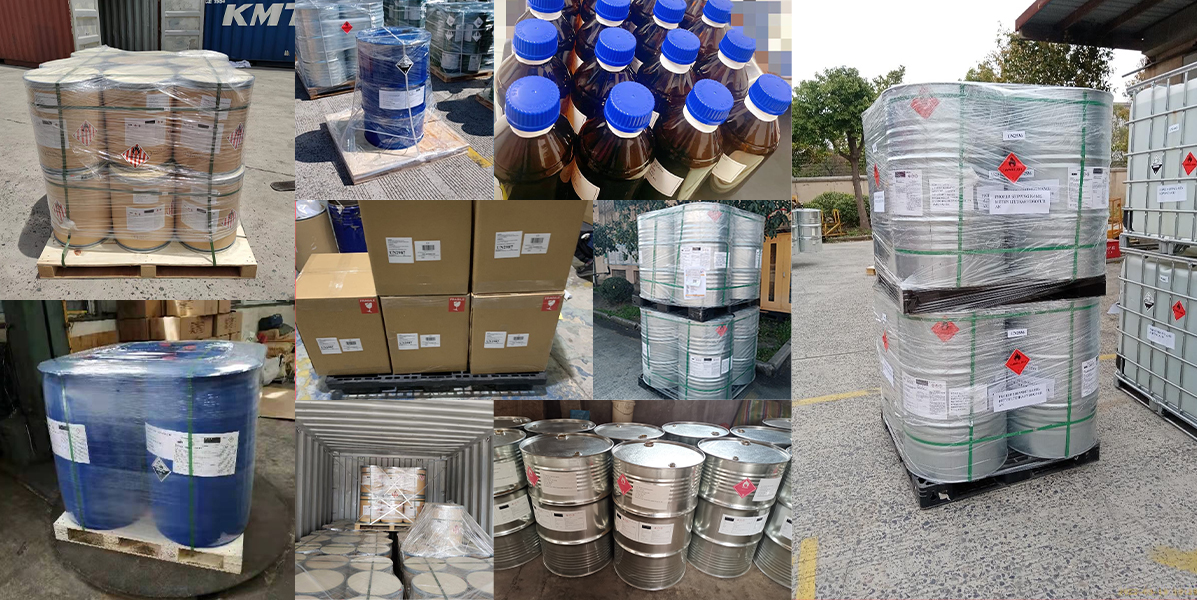
1. 20 years of R&D, manufacturing and sales experience, serving customers in 60 countries and regions around the world;
2. Own R&D laboratory, pilot platform and large-scale production workshop, which can meet the audit requirements of global customers;
3. We can satisfy customers' perfect transition from small scale lab requirements (gram level) to commercialization requirements (hundred tons level).
A: We don't have Minimum Order Quantity, exact quantity should be provided before quotation for us to calculate the exact cost.
A: We don't provide free samples due to lots of request and expensive international courier's cost, we can deduct the sample charge after commercial order placed.
A: Our payment terms: Small or sample order: T/T IN ADVANCE. Commercial order: First order should be by T/T IN ADVANCE or L/C at sight, and following orders T/T 30~90days is acceptable subject to approval of credit application.