
Custom Manufacturing, Project Outsourcing, your Trusted Partner from China
The procurement of pharmaceutical intermediates is a critical function within the life sciences industry, directly impacting the quality, cost, and timely delivery of life-saving medications. Procurement managers are tasked with navigating a complex global market to secure essential chemical compounds that serve as the foundation for Active Pharmaceutical Ingredients (APIs). This guide aims to provide procurement professionals with practical insights into the process of buying pharmaceutical intermediates, using (2S)-N1-(2-aminoethyl)-3-(4-ethoxyphenyl)propane-1,2-diamine trihydrochloride (CAS 221640-06-8) as a case study.
The Strategic Importance of Intermediate Procurement
Pharmaceutical intermediates are not merely raw materials; they are specialized chemicals that require precise manufacturing and quality control. The success of an API synthesis process often hinges on the quality and consistency of these intermediates. For procurement managers, this means going beyond simple price comparison and focusing on a holistic evaluation of potential suppliers. The goal is to establish secure, reliable, and cost-effective supply chains that support continuous production and innovation.
Key Factors in Buying Pharmaceutical Intermediates
When looking to buy pharmaceutical intermediates, procurement managers should prioritize the following factors:
Procuring (2S)-N1-(2-aminoethyl)-3-(4-ethoxyphenyl)propane-1,2-diamine Trihydrochloride
As a vital intermediate for Sofosbuvir synthesis, (2S)-N1-(2-aminoethyl)-3-(4-ethoxyphenyl)propane-1,2-diamine trihydrochloride exemplifies the need for meticulous procurement. When looking to buy this compound, consider engaging directly with manufacturers known for their expertise in producing high-purity diamine derivatives. Many suppliers in China offer this intermediate, providing a cost-effective option due to their manufacturing scale and efficiency. Procurement managers should request detailed quotations that cover product specifications, packaging options, delivery timelines, and payment terms.
Building Strong Supplier Relationships
Establishing long-term relationships with trusted suppliers can offer significant benefits, including preferred pricing, priority allocation of stock, and enhanced technical support. Open communication and a collaborative approach are key to nurturing these partnerships. By actively engaging with manufacturers and understanding their capabilities, procurement managers can ensure a more stable and predictable supply of critical pharmaceutical intermediates.
In conclusion, the procurement of pharmaceutical intermediates like (2S)-N1-(2-aminoethyl)-3-(4-ethoxyphenyl)propane-1,2-diamine trihydrochloride demands a strategic and informed approach. By prioritizing quality, supplier reliability, and cost-effectiveness, procurement managers can play a pivotal role in ensuring the successful and efficient production of essential medicines.
Manufacturing Facilities
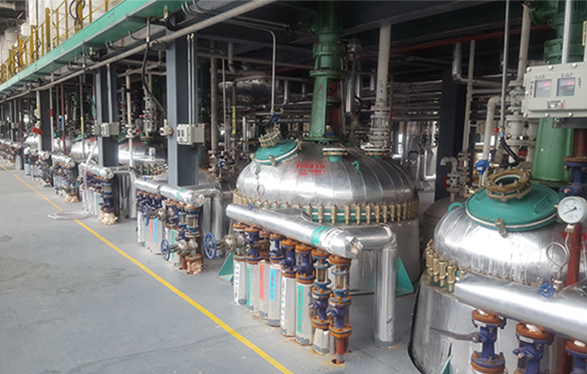
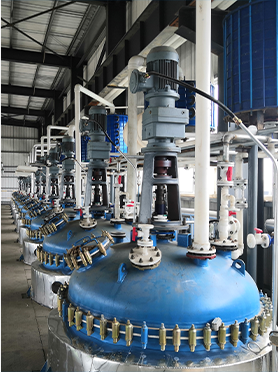
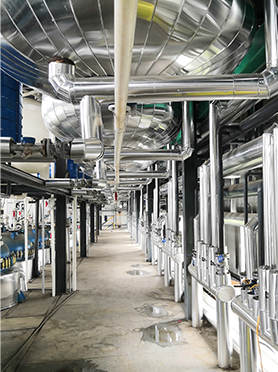
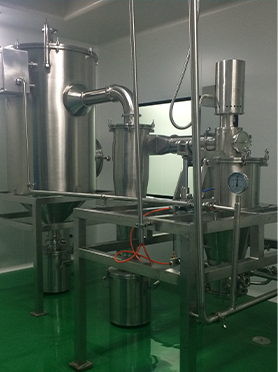
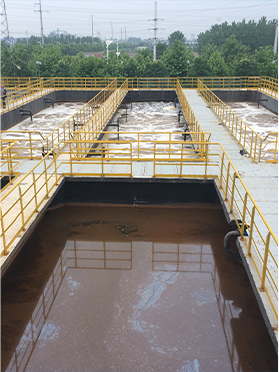
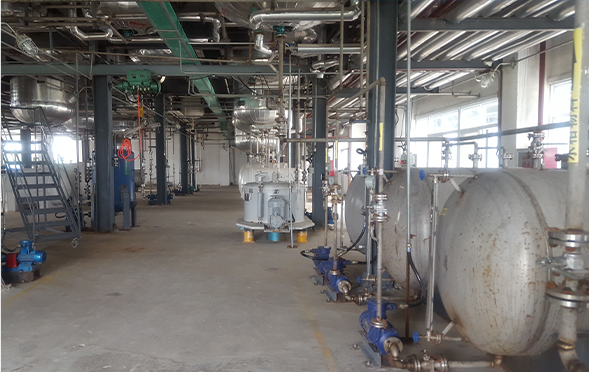
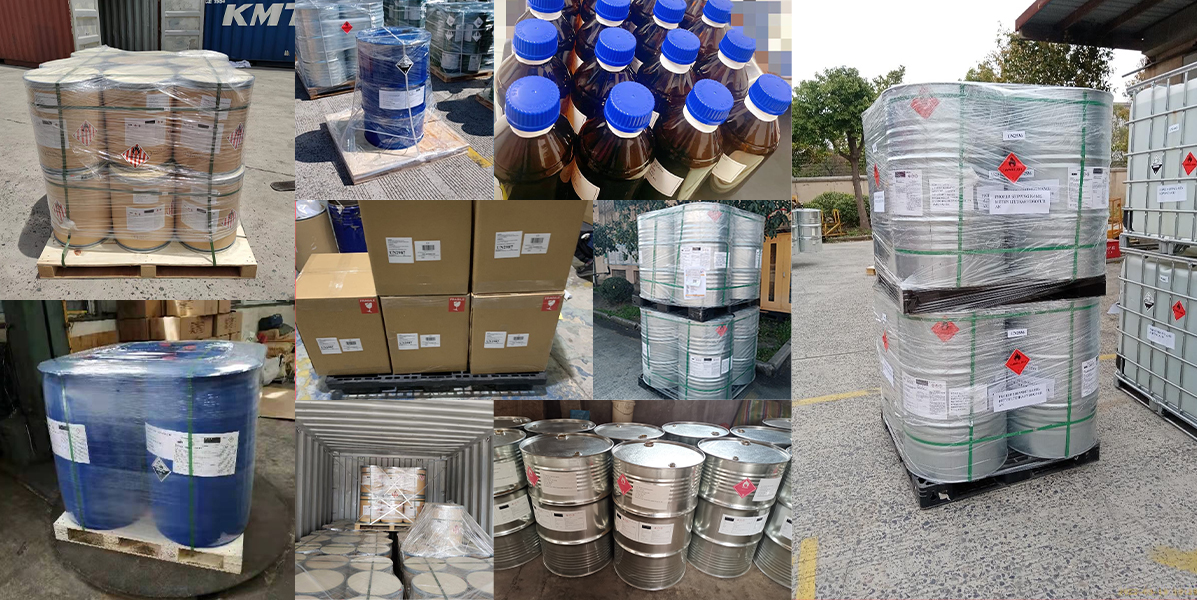
Professional Export Experience
to Global Customers
1. 20 years of R&D, manufacturing and sales experience, serving customers in 60 countries and regions around the world;
2. Own R&D laboratory, pilot platform and large-scale production workshop, which can meet the audit requirements of global customers;
3. We can satisfy customers' perfect transition from small scale lab requirements (gram level) to commercialization requirements (hundred tons level).
A: We don't have Minimum Order Quantity, exact quantity should be provided before quotation for us to calculate the exact cost.
A: We don't provide free samples due to lots of request and expensive international courier's cost, we can deduct the sample charge after commercial order placed.
A: Our payment terms: Small or sample order: T/T IN ADVANCE. Commercial order: First order should be by T/T IN ADVANCE or L/C at sight, and following orders T/T 30~90days is acceptable subject to approval of credit application.